
Burcum: Watch out for risky health plans as sticker shock sets in

Consumers might be tempted by less traditional insurance plans amid soaring premiums and expiring enhanced subsidies. But beware.

Columnist Icon
The Minnesota Star Tribune
December 13, 2025 at 10:59AM
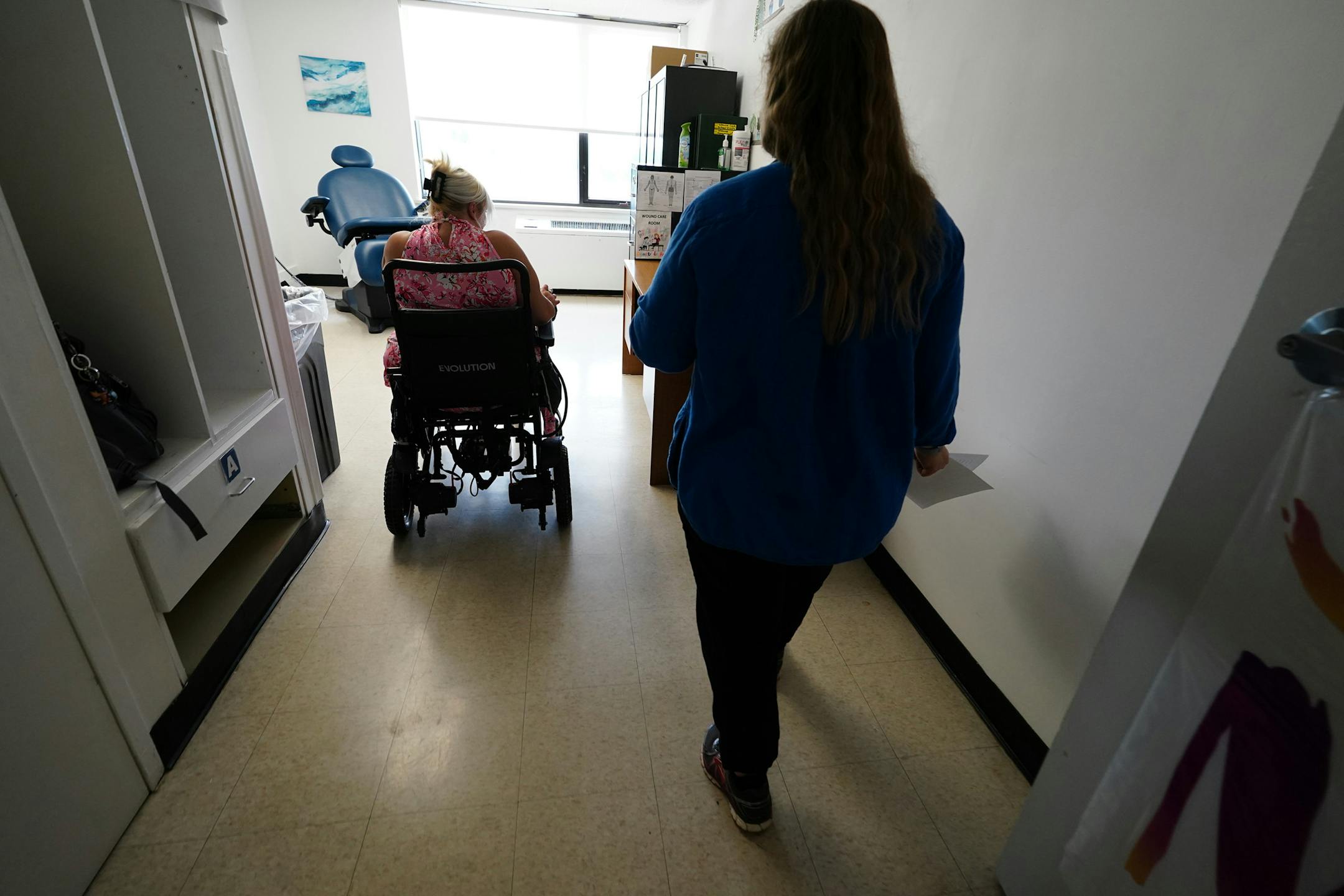
High prices are prompting consumers to consider risky health insurance options, writes columnist Jill Burcum, including ones that might be scams. (Jessica Griffin /Tribune News Service)

Opinion editor’s note: Strib Voices publishes a mix of commentary online and in print each day. To contribute, click here.

•••

When your monthly health insurance premium goes from $544 to $1,016, even the savviest consumers may be willing to consider riskier alternatives to save money.

That’s the unfortunate situation that Cathy Chabot, who lives in the small Stearns County community of Collegeville, finds herself in this year. She retired in her early 60s and she’s too young to qualify for Medicare, the popular federally run insurance program mainly serving those 65 and up.

That means she’s shopping for 2026 coverage and deeply unhappy with her choices on the individual private insurance market, which serves those who don’t have an employer-provided health plan or don’t qualify for a public program like Medicare.

Last year, Chabot bought a “bronze level” plan with a high deductible (the amount paid out of pocket before insurance kicks in). Her monthly premium this year was $544. For 2026, the same plan will cost $1,016.

Chabot is outraged. She’s now looking at something far less expensive called a “medical discount plan” from a Florida company that provides price reductions for health services within its network of providers. The daunting trade-off: Plans like the one Chabot is considering may not guarantee coverage if she needs hospitalization or other expensive care. That’s the opposite of what a traditional health plan does.

Chabot understands why her insurance broker cautioned her about the Florida company’s discount plan, but she’s willing to bet on her continued good health to save money. She knows it’s not ideal, though.

“This is just my situation, but I’m sure there are millions of people struggling with these same kinds of things,” Chabot said.

Chabot is right that there are many others sharing her frustration. Rising medical costs and the expiration of the Affordable Care Act’s enhanced financial assistance has delivered a serious case of sticker shock in Minnesota and elsewhere this open enrollment season. Unfortunately, that’s created a situation ripe for unscrupulous firms to take advantage of consumers desperate for less pricey options.

Open enrollment is the end-of-the-year window when consumers typically make their choices for next year’s coverage. In Minnesota, the individual market’s open enrollment began Nov. 1. The deadline for a health plan that kicks in on New Year’s Day is Dec. 15. Consumers can still purchase a plan through Jan. 15, though coverage won’t start until Feb. 1.

Deciding on a plan is especially complicated right now. In addition to steep price hikes, uncertainty about renewing the enhanced Affordable Care Act (ACA) subsidies has complicated consumers’ buying decisions.

Extending the pandemic-era enhanced subsidies was at the center of the congressional stalemate that shut down the federal government from Oct. 1 to Nov. 12. Democrats wanted to renew the enhanced assistance which lifted the cap on income eligibility, helping farm families and entrepreneurs who made slightly too much under the previous guidelines to qualify for assistance but not enough to comfortably afford quality coverage.

Republicans objected to the renewal. A vote on extending the subsidies was at the heart of the compromise to reopen the government. On Thursday, the measure failed in the Republican-controlled U.S. Senate, with the GOP continuing to work on its own alternative.

Minnesota’s senior senator, Amy Klobuchar, a Democrat, issued this statement after the Thursday vote: “By refusing to act, Congress has put millions of Americans in an impossible position — forcing families, farmers, and small business owners to question whether they can even afford to keep their insurance. I will keep fighting to end this health care crisis, lower costs, and increase access to quality care.”

This fall, MNsure estimated that the expiring subsidies will affect 90,000 Minnesotans enrolled through the online marketplace, “with over 19,500 losing access to all financial help.”

In the Crow Wing County community of Baxter, insurance broker Alisa Sandin is seeing clients now grappling with affordability. Sandin works at RG Insurance.

One client’s plan had cost $200 a month in 2025 with the enhanced subsidies in place. But once the previous income restrictions go back into effect next year, he will lose that assistance even though his income is just $300 above the annual limit. That means that the same plan will now cost him $1,400 a month.

“How do you do that? You just can’t. He has a mortgage, he has bills to pay, and he does want to eat food every day,” Sandin said.

“What he chose to do is go down to a bronze plan and wrap himself in bubble wrap until October,” she added. October is when the client becomes eligible for the Medicare program for seniors.

Reminder: A bronze plan is a bare-bones plan in which the consumer assumes a greater risk for his or her medical expenses and may have to pay thousands out of pocket before coverage kicks in.

Minnesota Attorney General Keith Ellison and state Commerce Commissioner Grace Arnold are cautioning consumers about less expensive but riskier options like the one Chabot is considering.

“Our office has received complaints about these types of plans. And a lot of the companies we’ve received these types of complaints about are located in Florida as well,” an Ellison spokesman said. “The bottom line is that these plans are not insurance, and they are not a substitute for it. In fact, they are often scams, unfortunately.”

Commerce Commissioner Arnold urged Minnesota consumers to shop on MNsure for comprehensive insurance and urged them to exercise caution when considering options sold outside it.

In an interview, Arnold noted that her agency has taken enforcement action against unlicensed companies marketing deceptive health plans in Minnesota. In October, it reached a settlement with Strategic Limited Partners, which had sold a “plan” to over 1,700 Minnesotans.

“Later, consumers discovered that health care providers wouldn’t accept the coverage, and the company often denied or failed to pay claims, leaving consumers with unexpected and sometimes significant medical bills,” according to the agency’s news release.

The Commerce Department has resources for insurance shoppers who have concerns, Arnold said. For example, consumers can verify whether a company is licensed to sell health plans in the state. To do so, go to tinyurl.com/MNinsurancelookup.

The agency is also ready to help consumers with questions, concerns or complaints about an insurance product they’re considering or have bought. You can connect with Commerce by email at consumer.protection@state.mn.us or by phone at 800-657-3602.

Said Arnold: “We are here to help if people get into a bad situation.”

about the writer

about the writer

Jill Burcum

Editorial Columnist

See Moreicon

More from Columnists

See More
card image
Jessica Griffin /Tribune News Service

Consumers might be tempted by less traditional insurance plans amid soaring premiums and expiring enhanced subsidies. But beware.