Every once in a while, I just need a burger. Nothing complicated, just a plump meat patty with a thick char that gives in to be tender and juicy. Debate all you want about the type of the bun, whether to top with cheese and what condiments to use. But experts agree there are some non-negotiable rules:
Choose good meat from a trusted source. Whether using beef, turkey or lamb, ideally the meat is grass-fed with enough fat to keep it moist and flavorful. Look for a ratio between 80% to 85% lean meat to 20% to 15% fat. If you’re cooking with turkey, ground dark meat has more flavor and is moister than white meat.
Keep it cold. Be sure to keep the meat in the refrigerator until you’re ready to cook it. It’s best sizzled cold so the fat is solid when the patty hits the skillet.
Use a light touch when forming the patties. Be gentle if you’re seasoning the meat before shaping it into a loose patty. After they’re formed, sprinkle a little coarse salt and freshly ground black pepper on both sides of the patty to create a firm crust.
Always, always, always cook the burgers on a heavy cast-iron skillet or griddle. Don’t place patties directly on the grill. You can cook them outside if you like, heating the pan on the grill flame. The point is to allow the meat’s rendered fat to gather around the patties as they cook. The burgers will retain their juices instead of having them drip into the fire and cause flare-ups. Set the heat to medium-hot and begin with a pat of butter to get the process started.
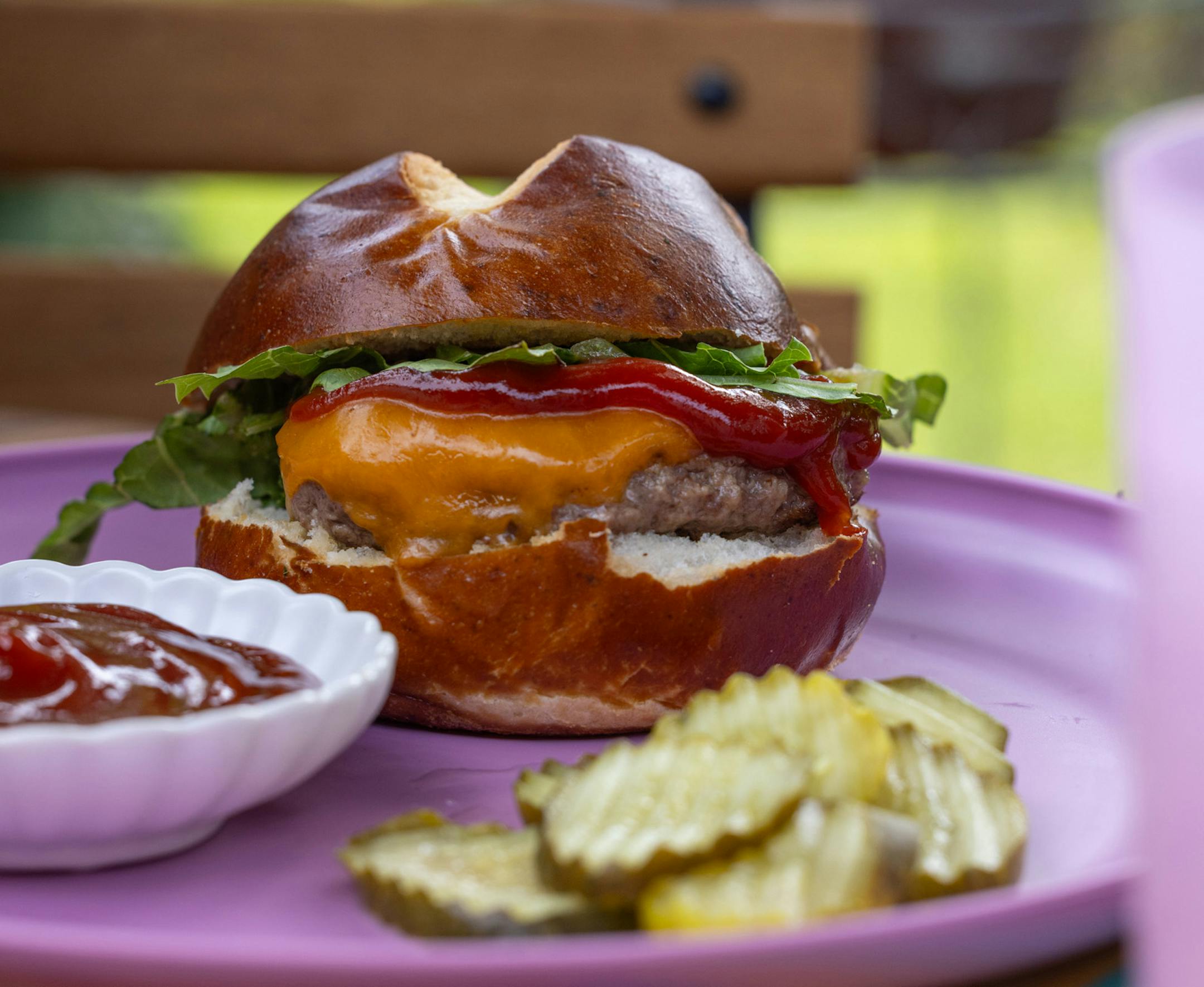
To smash or not? The pros say smash. Use a heavy spatula (or an official smashing gizmo) to press down on the meat to create that crust. The burger will be ready to flip in about 3 minutes. That’s when to lay on the cheese, if using, before finishing cooking the burger through. If you are using cheese, be sure it melts and covers the meat. It doesn’t matter what kind of cheese; I prefer Cheddar for beef burgers, queso for turkey, and a mild feta for lamb (but I often skip the cheese to better taste the meat).
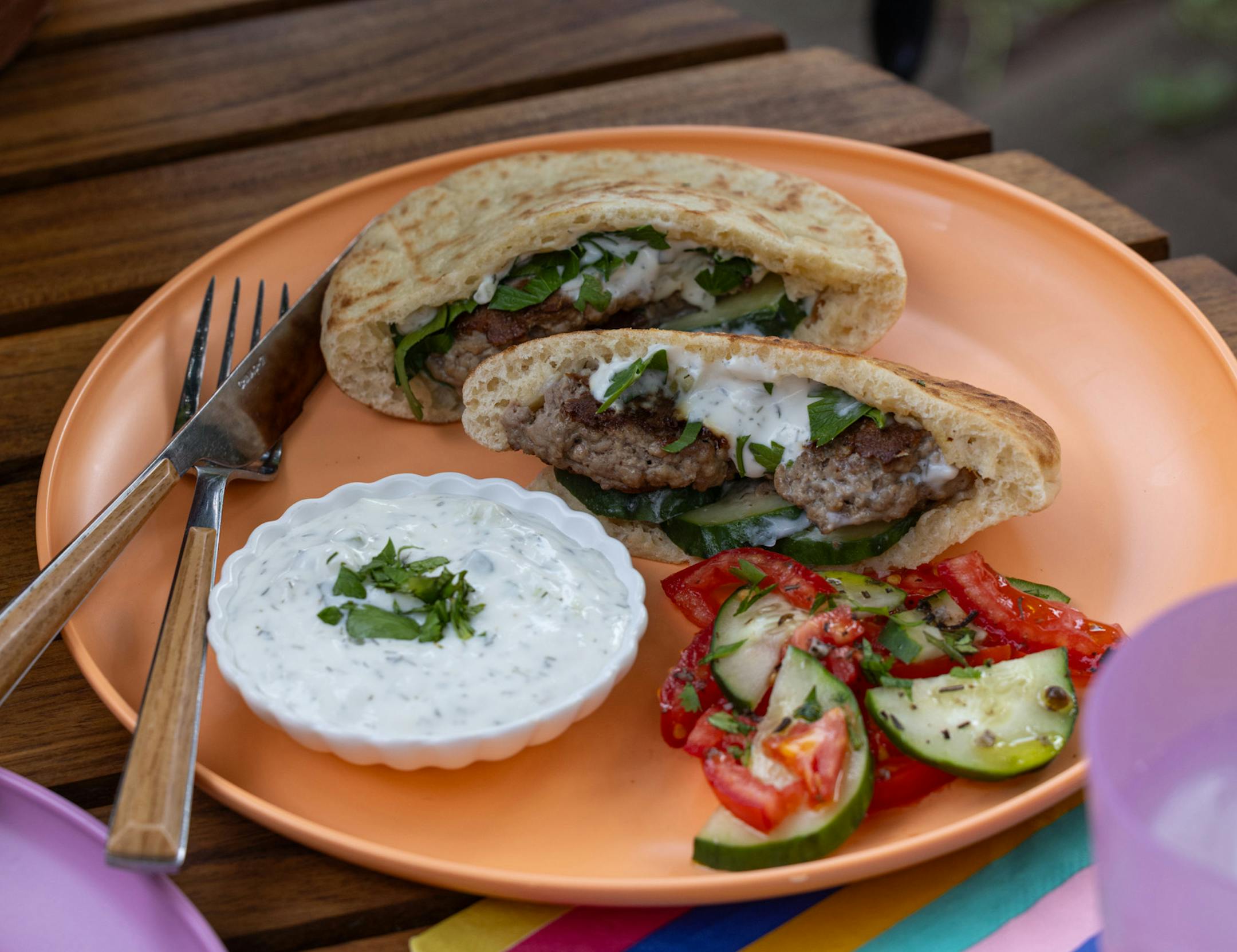
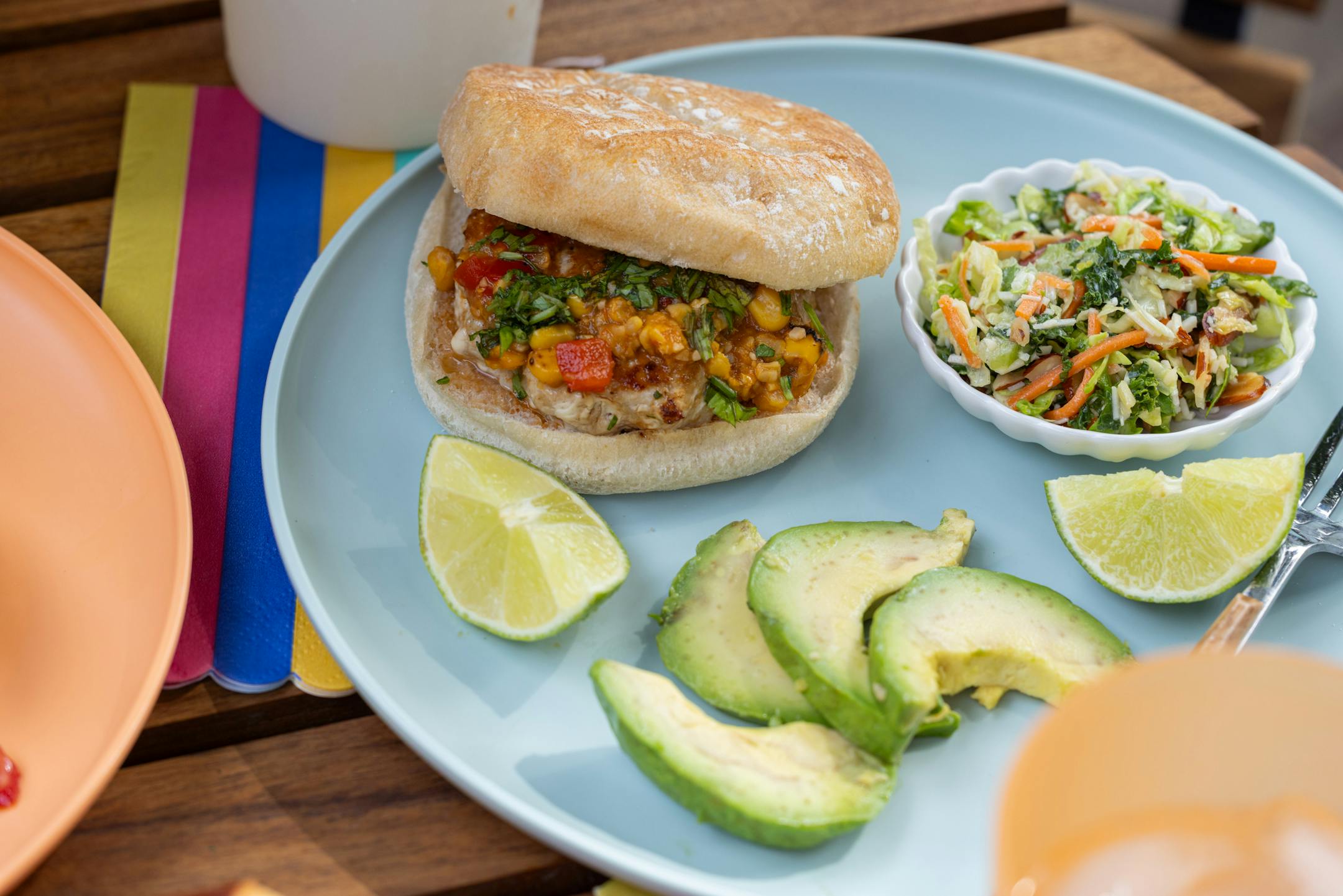
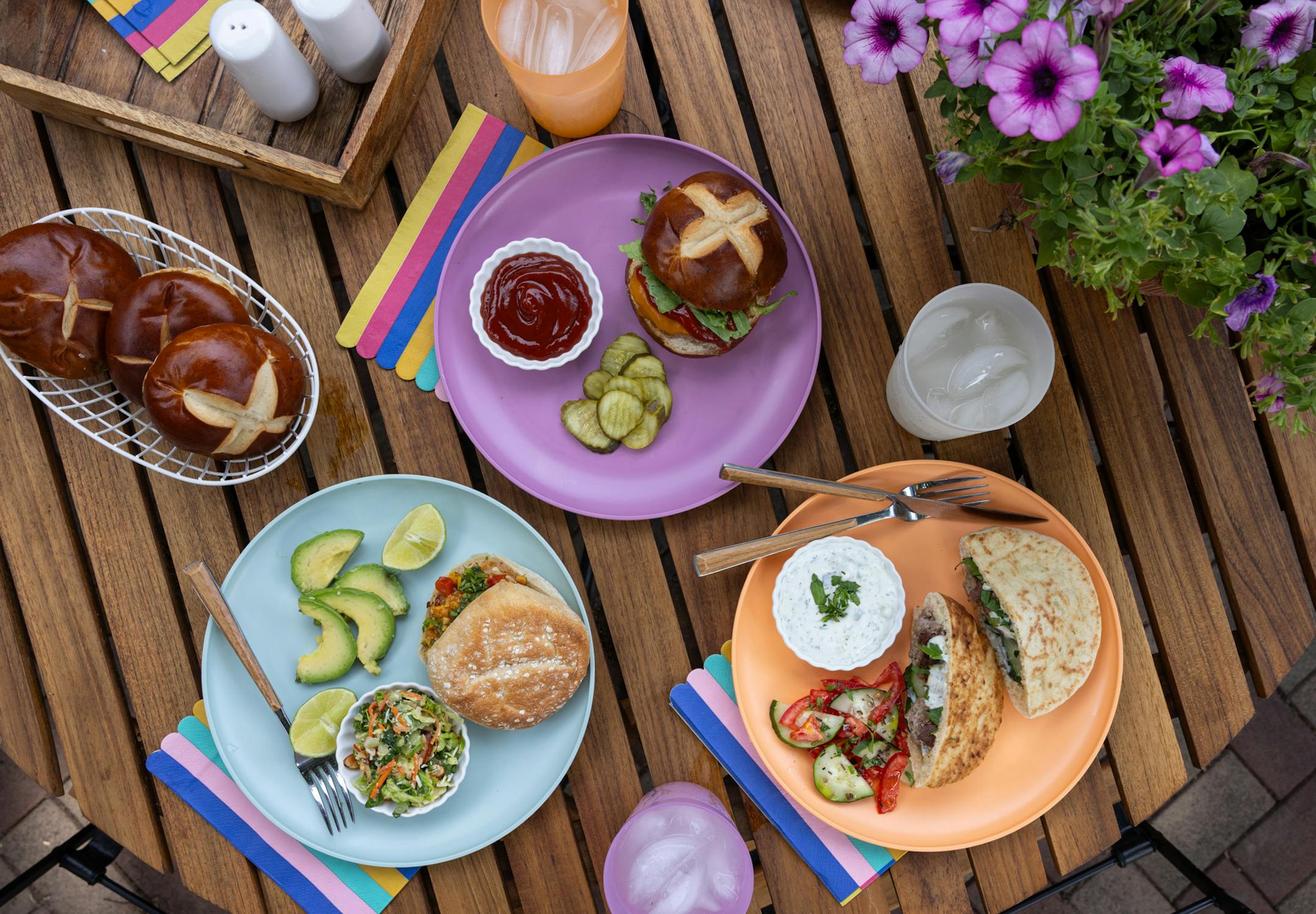
Let the type of meat inform the bun. The only rule is that the bun not overwhelm the burger. For a hamburger, brioche or soft pretzel buns will absorb the juices; turkey burgers work well on firmer buns or English muffins for sloppy toppings; and lamb burgers fit nicely into pita halves. Be sure the buns are ready to go when the burgers come off the griddle.
Condiments can be a contentious issue. Set out a selection and allow diners to choose their own: lettuce, tomatoes, ketchup, mustard, mayo, onions, pickles, salsa, tzatziki, crisp cukes are all popular.