

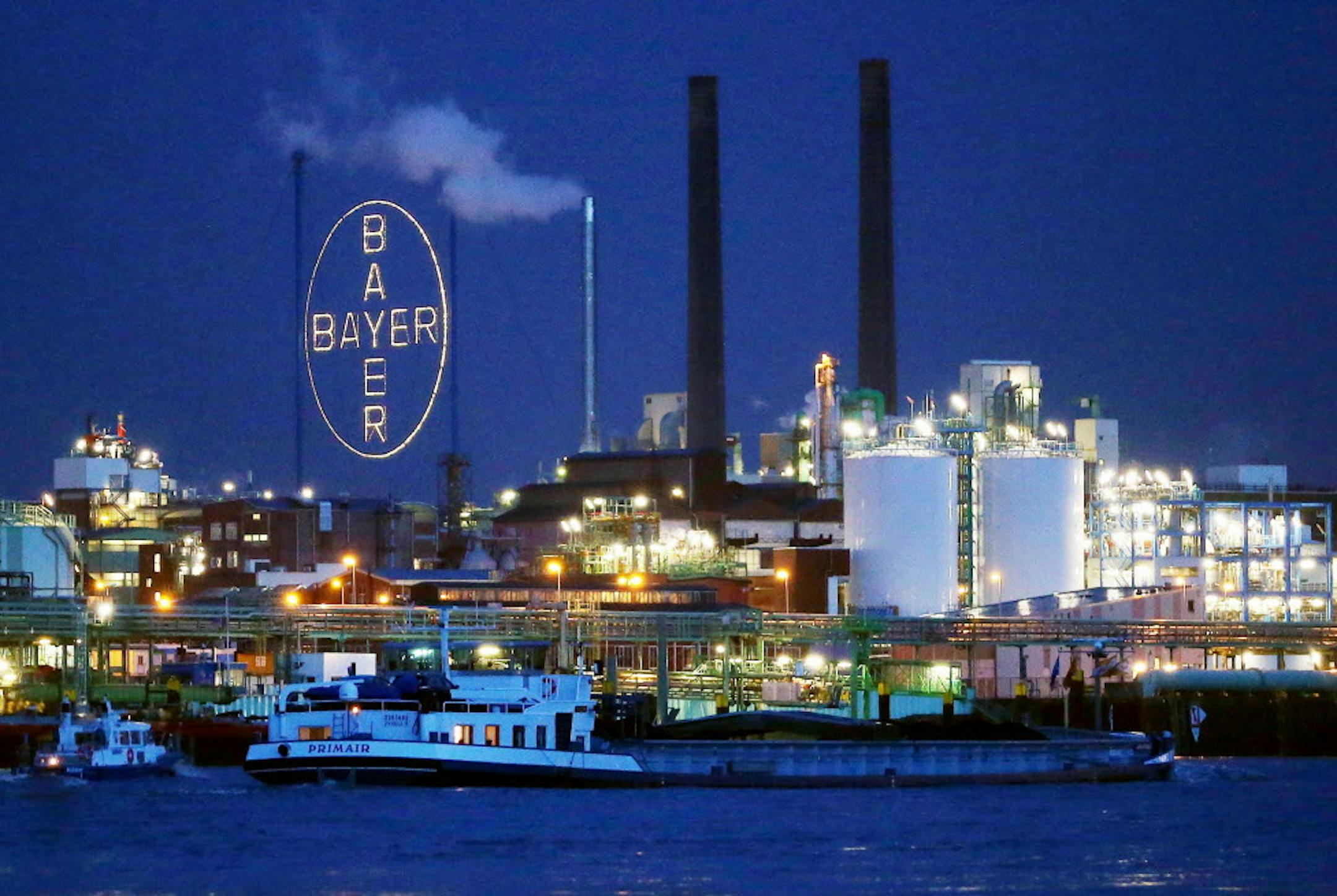
Bayer has raised the stakes in its attempt to buy Monsanto and create a chemical and agricultural giant.
Two months after its first offer for the seed and farm products manufacturer was rejected, the German company upped its bid to $54.7 billion in cash, a $3-a-share increase to $125 a share. Thursday's proposal came just hours after news that St. Louis-based Monsanto might entertain a deal with another German chemicals giant, BASF.
So far, investors appear skeptical that either suitor has what it takes. Monsanto's shares rose about 3 percent to around $104.20 in New York, well below the value of Bayer's offer.
Yet the developments at Bayer, Monsanto and BASF all underscore the brisk consolidation sweeping the chemicals business, as well as Bayer CEO Werner Baumann's determination to form the world's largest supplier of crop seeds and chemicals.
Monsanto said Thursday that its board was reviewing the offer, which includes several sweeteners to try to get the transaction done.
Along with the 2.5 percent increase in the price, Bayer offered an "antitrust break fee" of $1.5 billion, according to a statement on Thursday. Monsanto, the world's largest seed supplier, said its board of directors will review the increased proposal.
Talks with BASF
Monsanto has revived talks with BASF about a possible combination of their agrochemicals businesses, people familiar with the matter said this week. The U.S. company is exploring various transactions, including the potential acquisition of BASF's agriculture-solutions unit, the people said, asking not to be identified as the talks are private. In return, BASF would likely receive newly issued shares in Monsanto, the people said. Discussions are at an early stage, and no final decisions have been made as talks with Bayer are continuing, they said.
One of the key concerns has been that a deal between Monsanto and Bayer, coming amid a wave of megadeals in the agricultural-chemicals and seeds industry, might invite close scrutiny from regulators. While Dow Chemical and DuPont are progressing with their planned merger relatively quickly, the planned $43 billion takeover of Syngenta by China National Chemical Corp. has attracted regulatory and political scrutiny.


