
Advertisement

Australia's tax policy slaps businesses - and politicians

Australians are not the most-taxed people, but new levies on mining and carbon emissions are a nettle for a prime minister who pushed for them.

July 9, 2012 at 10:01PM
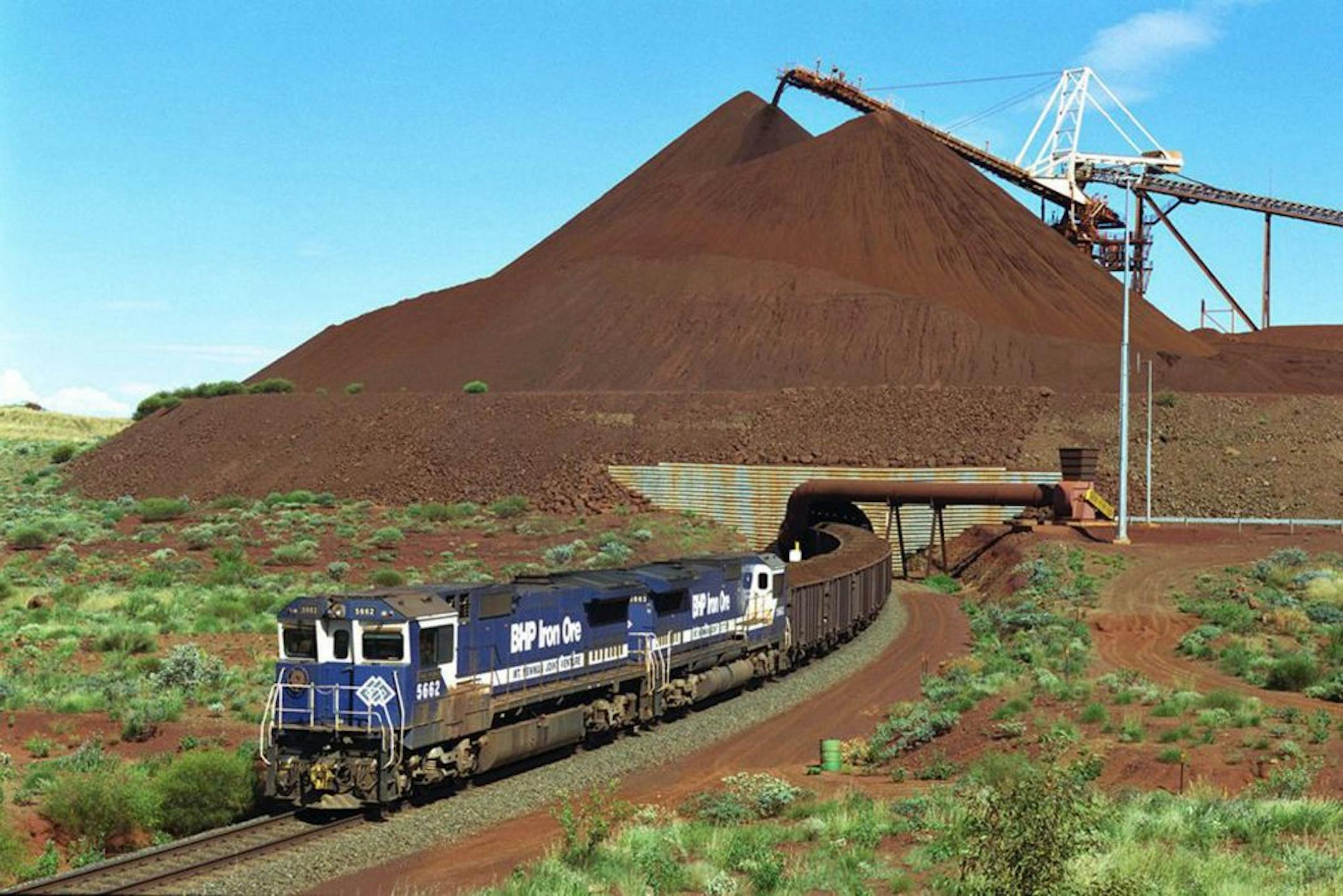
A train loaded with iron ore departed the Yandi mine in Pilbara, Western Australia. The world's biggest mining group, BHP Billiton, owns the mine.
A train loaded with iron ore departed the Yandi mine in Pilbara, Western Australia. The world’s biggest mining group, BHP Billiton, owns the mine. (Reuters/The Minnesota Star Tribune)
Advertisement

Taxes weigh lightly on Australia's economy, claiming less than 26 percent of GDP, but they sit heavily on the country's politics.

On July 1 the government began collecting two controversial new ones, on carbon emissions and mining profits. The two levies may decide the political future of Australia's Prime Minister Julia Gillard. Her Labor government's fortunes, in turn, have shaped and even disfigured the taxes themselves.

Australians may pay little in tax, but they do pay a good many of them -- at least 125 tithes, duties and levies, by one count. A sweeping official review in 2010 called for revenue-raising to be concentrated on a handful of broader taxes, including one on "rents from natural resources." These include excess profits earned by miners, which exceed the amounts necessary to attract the investment and the ingenuity required to extract the country's mineral wealth.

In response, Gillard's predecessor, Prime Minister Kevin Rudd, proposed a 40 percent tax on mining "super-profits." Twenty-two economists and academics signed an open letter in support of the broad idea, but an outraged mining industry spent $22.6 million on advertisements opposing it.

Watered down, and uneven

After Gillard ousted Rudd in 2010, she swiftly negotiated a watered-down version of the levy with the country's three biggest mining companies. Her tax hits less hard, but also less evenly, than the original version. It sets a lower rate -- 22.5 percent -- and falls on only the most profitable, excluding small mines. It is also limited to coal and iron ore, which are Australia's two biggest exports.

According to the 2010 tax review, the new resource levy should replace existing royalties that miners pay to state governments. But neither Gillard nor Rudd grasped that constitutional nettle. Royalties on production discriminate against aging mines with high extraction costs. The new levy, by contrast, discriminates against uncertain ventures that require high rates of return to justify their risks, points out Jonathan Pincus of the University of Adelaide. The combination of the new tax and existing royalties thus favors middle-aged mines that generate modest returns at little risk.

Thanks to these flaws, the mining levy has lost the support of four of the original 22 experts who wrote in favor of a tax on resource rents. At least 12 still support it, however, while the remaining six did not respond by the time this story went to press.
Advertisement

Carbon pricing also has lost much of its popularity as the principle and the politics have collided. With the G20's highest carbon emissions per person, Australians once seemed to accept that sacrifices had to be made. Until late 2009 both parties supported Rudd's plans for an emissions-trading scheme -- but that soon changed after Tony Abbott became opposition leader and decided to stymie Rudd's plan in Parliament.

Broken election promise

Gillard then fought the 2010 election pledging not to introduce a carbon tax. She had to recant, however, in order to win support from the Greens for her minority government. She has never recovered politically from Abbott's savage criticism of her broken election promise and his melodramatic claims that the carbon tax will ruin small businesses and drastically raise the cost of living.

In reality the carbon tax of $23 per ton, paid by Australia's 300 biggest emitters, will add little to consumer prices. Its bigger cost is uncertainty. After only three years the tax is supposed to give way to an emissions-trading scheme. It may not last that long, though. An election is due late next year, and the opposition promises, if victorious, to repeal it.

That makes it devilishly hard to plan for the future price of carbon. Of 70 experts surveyed by Frank Jotzo of Australian National University, 20 percent said that it would be more than $16 in 2016, whereas 40 percent predicted that it would be zero.

Bitter political opposition could not prevent the advent of these taxes, which is something of a miracle in itself, but politics may still kill them. A day after the taxes came into effect, an opinion poll gave the opposition a 16-point lead over Labor.

Advertisement

Scaremongers argue that the carbon tax and the mining levy are bound to destroy competitiveness and kill Australian jobs. That is unlikely -- but it may cost Gillard hers.

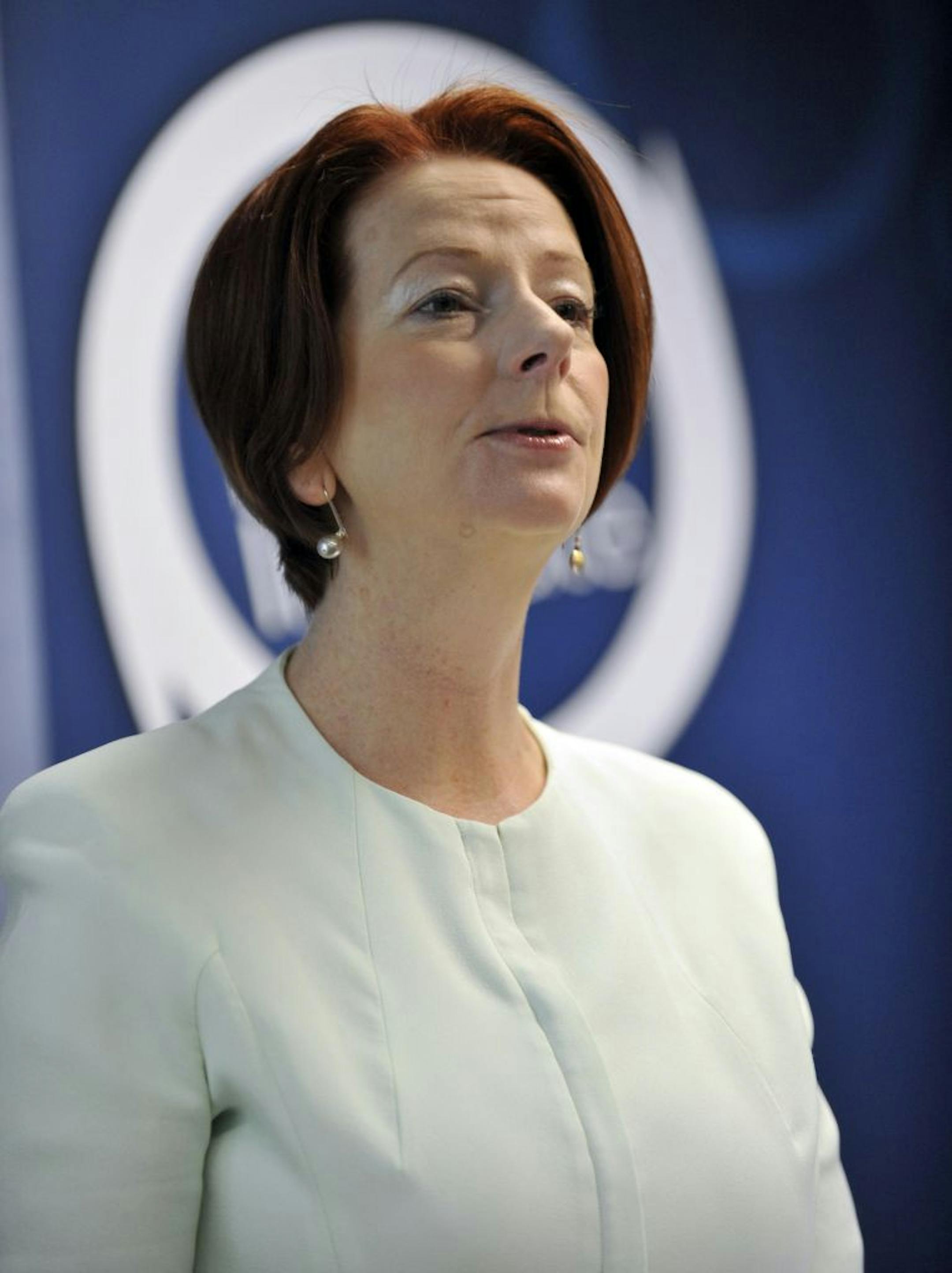
Australia's Prime Minister Julia Gillard's broken promise may result in a lost job — hers.
Australia’s Prime Minister Julia Gillard’s broken promise may result in a lost job — hers. (Associated Press/The Minnesota Star Tribune)
about the writer

about the writer

THE ECONOMIST

More from Business

See More
card image
Elizabeth Flores/The Minnesota Star Tribune

Waning consumer demand and volatile commodity prices have put pressure on poultry producers. Life-Science Innovations already owns other bird facilities throughout the state.

card image
Advertisement