

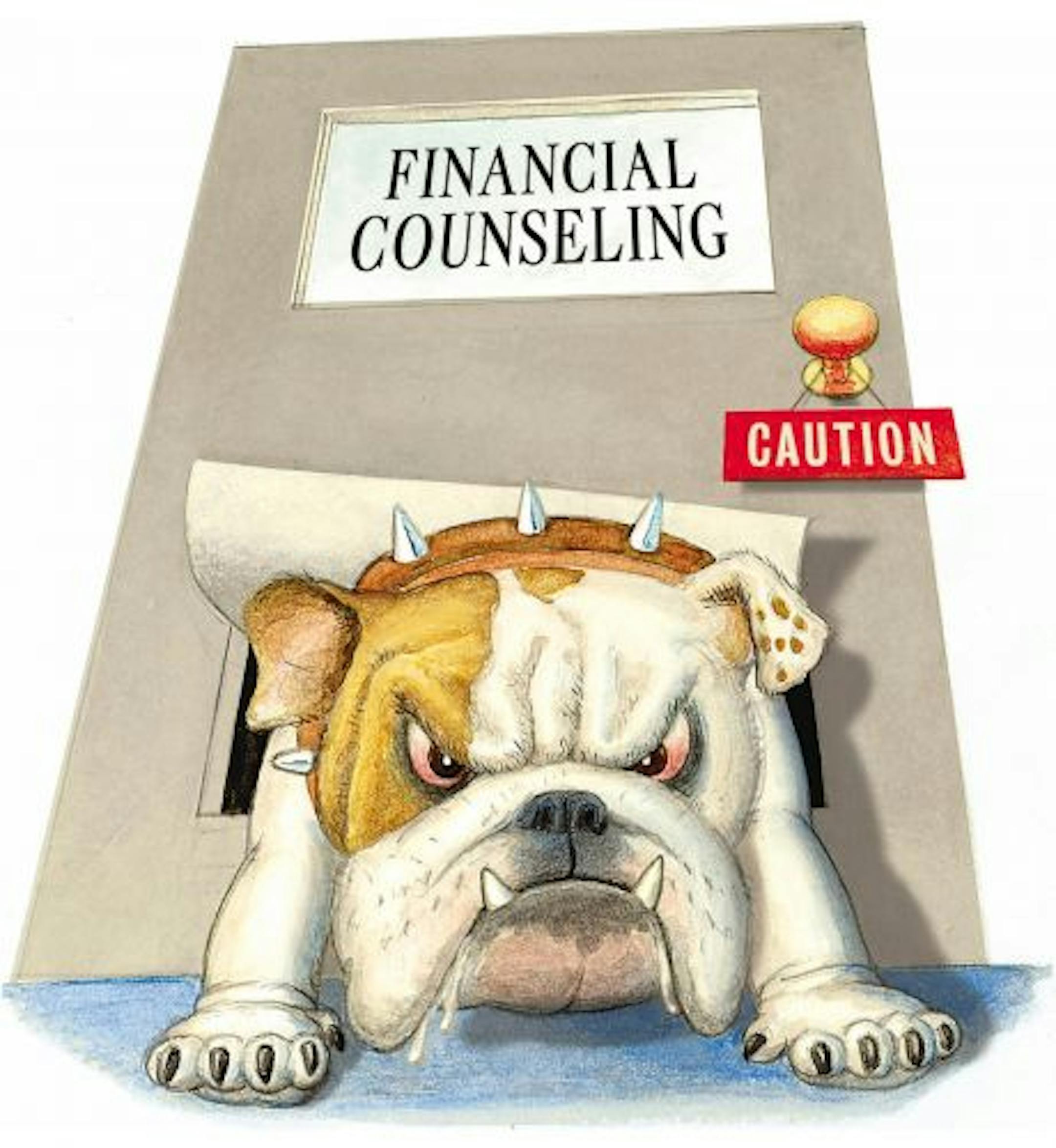
It's a question at the forefront ever since Bernie Madoff became a household name. The good news is that it's a question the financial services industry has been bending over backward to answer. Just this week, the CFP Board, a group that oversees the respected designation of certified financial planner, or CFP, released a consumer guide to spotting financial abuse. The guide addresses 10 red flags -- for example, advisers who offer to fill in the blanks on financial documents for you or who insist there's no downside to an investment. For the full list of red flags, check out my blog: www.startribune.com/kablog or download the guide: www.cfp.net/learn/financialselfdefense.
Financial advisers say that most prospective clients don't grill them in get-to-know-you meetings. What should they be asking?
I put the question to Rick Epple, a certified financial planner and owner of Epple Financial Advisors in Wayzata; Lauri Salverda, a chartered financial analyst with Clerestory Advisors in Mendota Heights; and Nate Wenner, regional director for Wipfli Hewins Investment Advisors in Edina.
They all agreed that finding out whether the adviser is a fiduciary is critical. If someone is a fiduciary, then that person is required to put the clients' interests first, no matter what. According to a survey released this month and commissioned by some financial industry and consumer groups, the majority of Americans mistakenly believe that insurance agents, stockbrokers and people calling themselves financial advisers are fiduciaries.
In fact, many financial professionals are legally held to a less-stringent standard called the "suitability standard." By that standard, investment choices need only be suitable for the client. For example, a broker would be doing his duty by suggesting an annuity to his 50-year-old client so long as it was appropriate. But if the fiduciary thinks there's a more ideal investment for that client, they are required to suggest that option over the annuity.
The Securities and Exchange Commission is currently weighing whether anyone providing financial advice should be a fiduciary.
Another important conversation to have is about the services that an adviser will provide. That way there's "a good understanding from all parties as to what will make the relationship a 'win-win,'" Wenner explained.
Other suggestions? Find out how the adviser is paid. Check the person's credentials and background, looking for disciplinary actions and designations that require continuing education.



