Advertisement

As the surge recedes, a backlog of utility bills remains. These people want to help.

Nonprofits, lawmakers and neighbors are stepping up to help Minnesotans pay their overdue energy bills.

Special to the Minnesota Star Tribune
February 19, 2026 at 5:00PM
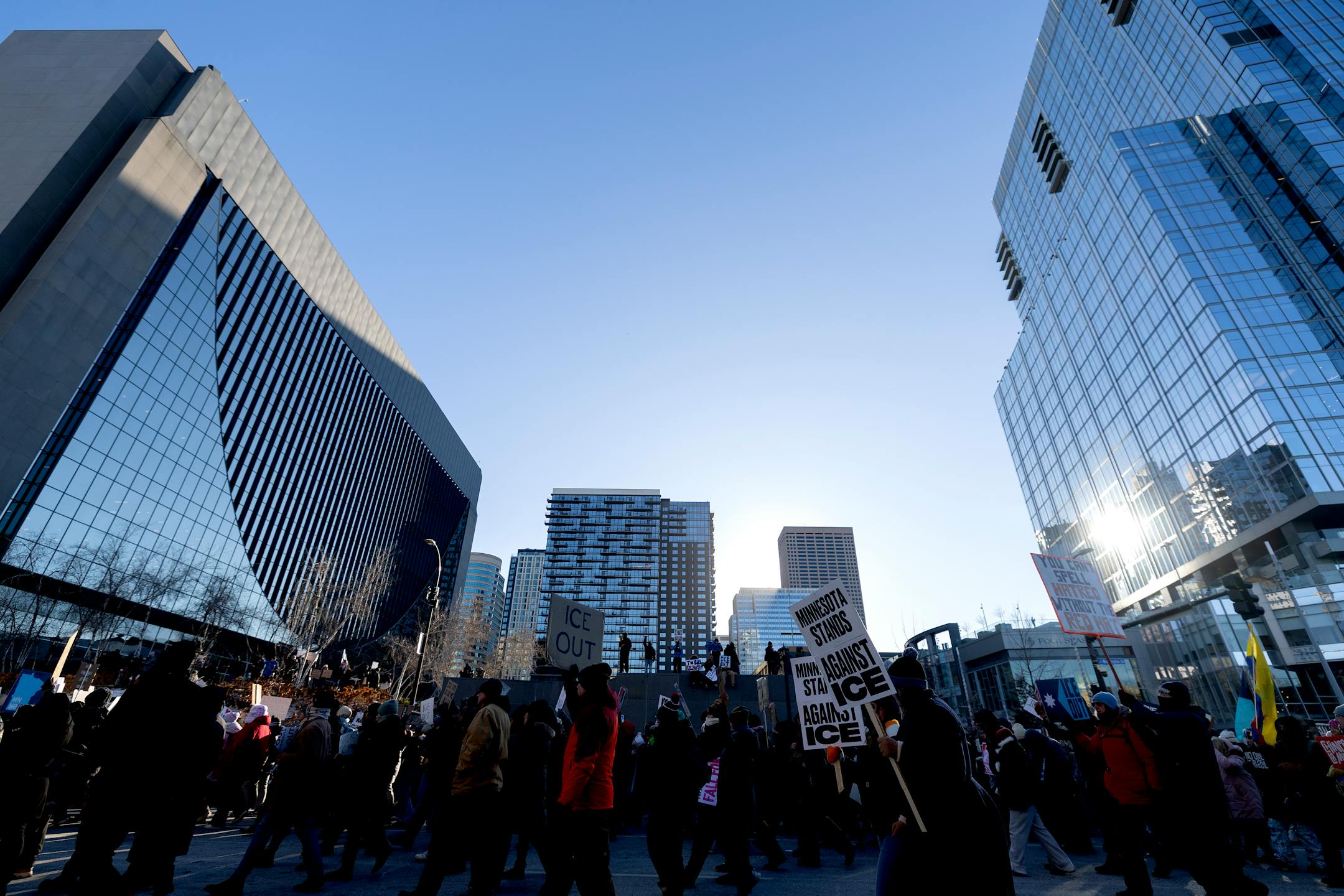
Demonstrators march during an ICE Out general strike protest in downtown Minneapolis on Jan. 30. (Carlos Gonzalez/The Minnesota Star Tribune)
Advertisement

Even before Operation Metro Surge, many Minnesotans were struggling with utility bills.

As of October, more than $100 million dollars of utility bills were unpaid in Minnesota, according to data from the Public Utilities Commission. Utility companies in Minnesota were already shutting off power in homes in record numbers.

This winter’s spike in natural gas prices has made things even more difficult for families in need, according to Annie Levenson-Falk, executive director of the Citizens Utility Board of Minnesota (CUB). On top of that, she said, residents who feel threatened by the federal deportation campaign have been racking up unpaid utility bills as they stay home out of fear.

Even as the federal government appears to be winding down its operation, Levenson-Falk said individuals will have a lot of catching up to do financially.

That is why CUB partnered with the Energy CENTS Coalition (ECC) to launch the Lights On, Homes Warm Fund on Feb. 12. The two nonprofits, both of which assist low-income households with utility affordability, are seeking to raise $500,000 toward the unpaid bills.

“I hope this crisis is a short-lived thing, and that funds like this can help people get back on their feet,” Levenson-Falk said.

The mutual aid fund is not the only effort to support families who have fallen behind on utility bills. The Minneapolis City Council, power companies and a family in the Standish neighborhood are also responding to concerns over utility bills.

The fund from ECC and CUB is directed to those most affected by the surge. Anyone in the state can be eligible to receive help through the fund, regardless of immigration status, according to ECC executive director George Shardlow.

Advertisement

Donations from the fund will go straight to utility companies to pay bills, Shardlow said. Each family that expresses need will receive $250 toward unpaid utility bills on a first-come, first-served basis, according to Levenson-Falk.

The fund has raised about $15,000 as of Feb. 19.

Shardlow said he hopes the fund will help at least a couple of hundred families pay their utility bills.

“I think there’s a long road to recovery,” he said.

Anai Tepozteco Gavilan and her brother Adan have been running a community advocacy group, Juntos Podemos, through his barbershop, A&A Barber Studio. They have raised about $28,000 to help Latino community members pay rent and utility bills. (Jerry Holt/The Minnesota Star Tribune)

A community effort

In south Minneapolis’ Standish neighborhood, a sister and brother have made it their mission to help local Latino community members stay afloat.

Anai and Adan Tepozteco Gavilan started a community advocacy group called Juntos Podemos, or “together we can,” after their uncle, a legal resident, was detained by ICE in January and taken to Texas for a week.

Advertisement

“That experience brought many sleepless nights, feeling helpless, worried, and afraid for my family and others who might be going through the same thing,” Anai said. “Instead of being silent, my brother and I decided to take action.”

The siblings collect donations from community members to help families impacted by ICE pay rent and utilities, and they run a food drive through Adan’s barber shop, A&A Barber Studio.

The Tepozteco Gavilans helped one family pay a $700 overdue electricity bill after their power had been shut off. Anai said Juntos Podemos has raised about $28,000, which has helped more than 40 families all over Minnesota pay for rent and utilities.

“It’s just beautiful how all the community has been supportive,” she said.

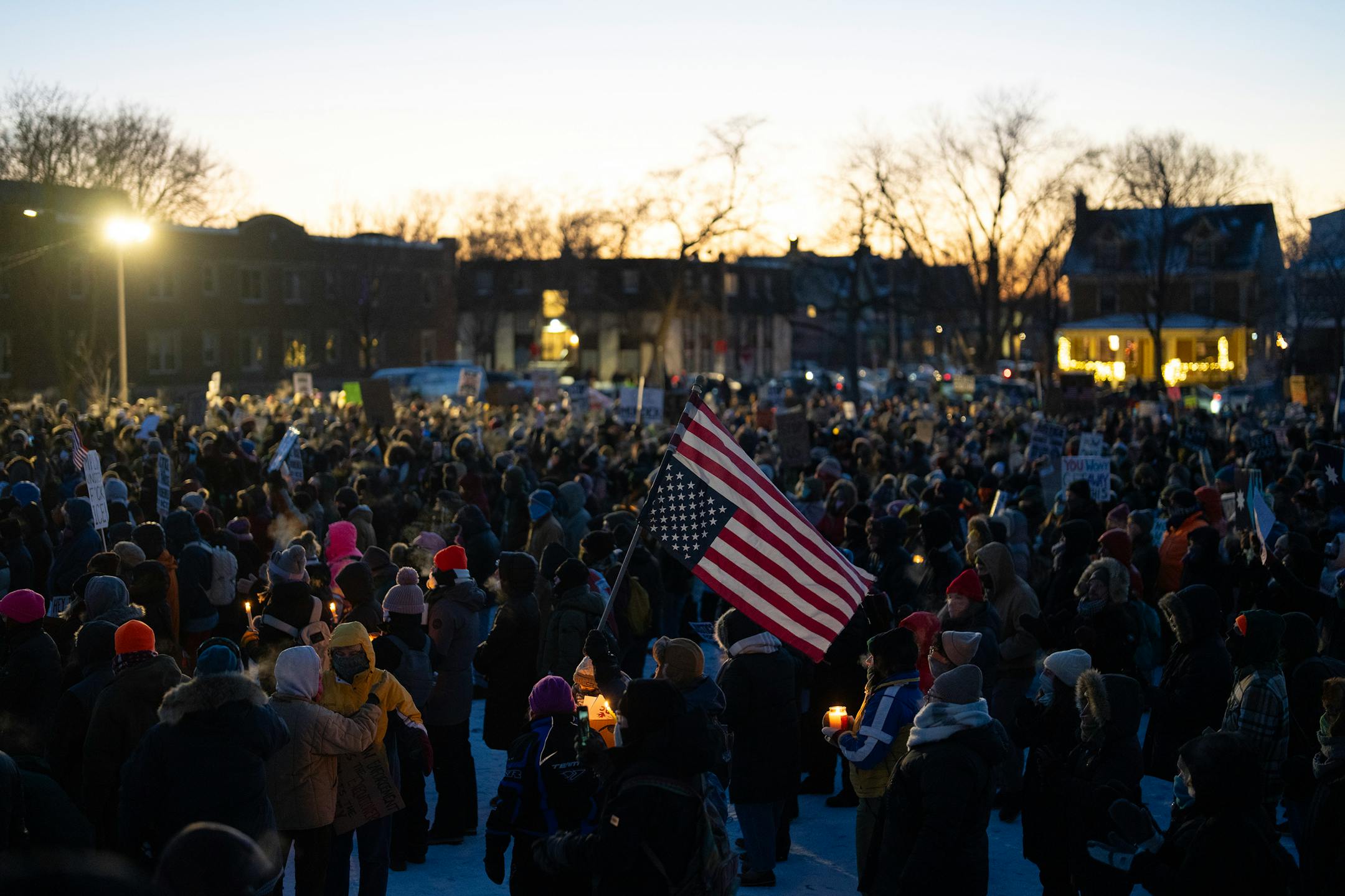
Hundreds of community members attend a vigil in honor of Alex Pretti at Whittier Park in Minneapolis on Jan. 24. (Alex Kormann/The Minnesota Star Tribune)

Power companies work with customers

Some power companies have been responding to the strain customers are feeling.

Xcel Energy spokesperson Theo Keith wrote in an email statement that the company is suspending all disconnections for residential and commercial customers in the Twin Cities metro area through the end of February.

Advertisement

Xcel is also training its customer service agents to provide the most flexible payment arrangements for customers who contact them about their hardships, he said.

“We recognize the current situation has created additional hardships for customers in the Twin Cities, and we are here to support them,” Keith wrote.

Joshua Solis, a spokesperson for CenterPoint Energy, wrote in an email statement that the company will continue to work with external resources that provide payment assistance for qualifying customers.

“CenterPoint Energy is committed to connecting our customers with resources to help them manage their bills year-round,” the statement read. “We continually urge any of our customers in need of billing help to reach out to us as soon as possible for payment arrangements and referrals for assistance.”

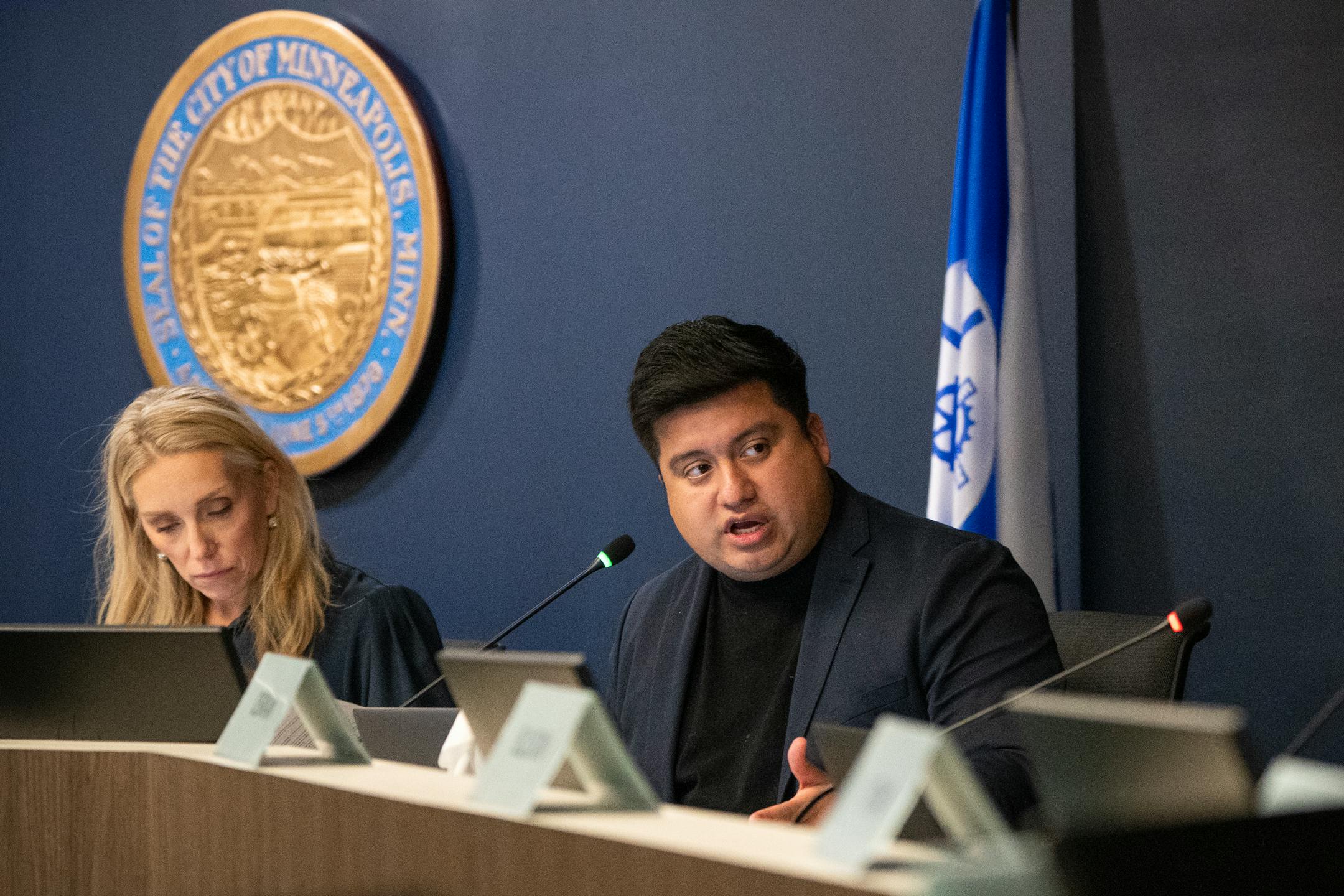
Minneapolis City Council Member Jason Chavez (Leila Navidi/The Minnesota Star Tribune)

Extending the Cold Weather Rule

There is one existing reprieve granted to Minnesotans struggling with energy bills. The Cold Weather Rule protects some households in the state from energy disconnection between Oct. 1 and April 30. Utility bills continue to accrue during those months, and on May 1 unpaid bills put people at risk of power shutoffs, Shardlow said.

The Minneapolis City Council approved a resolution earlier this week that calls on Gov. Tim Walz and the PUC to expand the rule, something the state did during the pandemic.

Advertisement

Council members want the state to require utility companies to further suspend disconnection and negative credit reporting while also waiving late fees, interest and penalties. The resolution did not include a proposed timeline.

Households must call their utility providers in the winter to set up affordable payment plans to be protected by the law. If people do not call, their utilities could still be shut off in the winter.

Council member Jason Chavez said in an interview that the resolution sends a strong message.

“There has been a tremendous amount of support from our neighbors,” Chavez said. “You have GoFundMes, Venmos, Cash Apps, you name it, to keep people afloat, but governments should also be the ones helping keep people afloat.”

about the writer

about the writer

Yvette Higgins

Special to the Minnesota Star Tribune

More from Twin Cities

See More
card image
Leila Navidi/The Minnesota Star Tribune

The judge said the government has offered no evidence or argument to keep him detained as his immigration status case continues.

card image
card image
Advertisement