
As laws change, so does the Minnesota Driver’s Manual

Lane splitting and a “plain language” requirement are being incorporated in the newest version of the book spelling out rules of the road.

The Minnesota Star Tribune
November 30, 2025 at 10:00PM
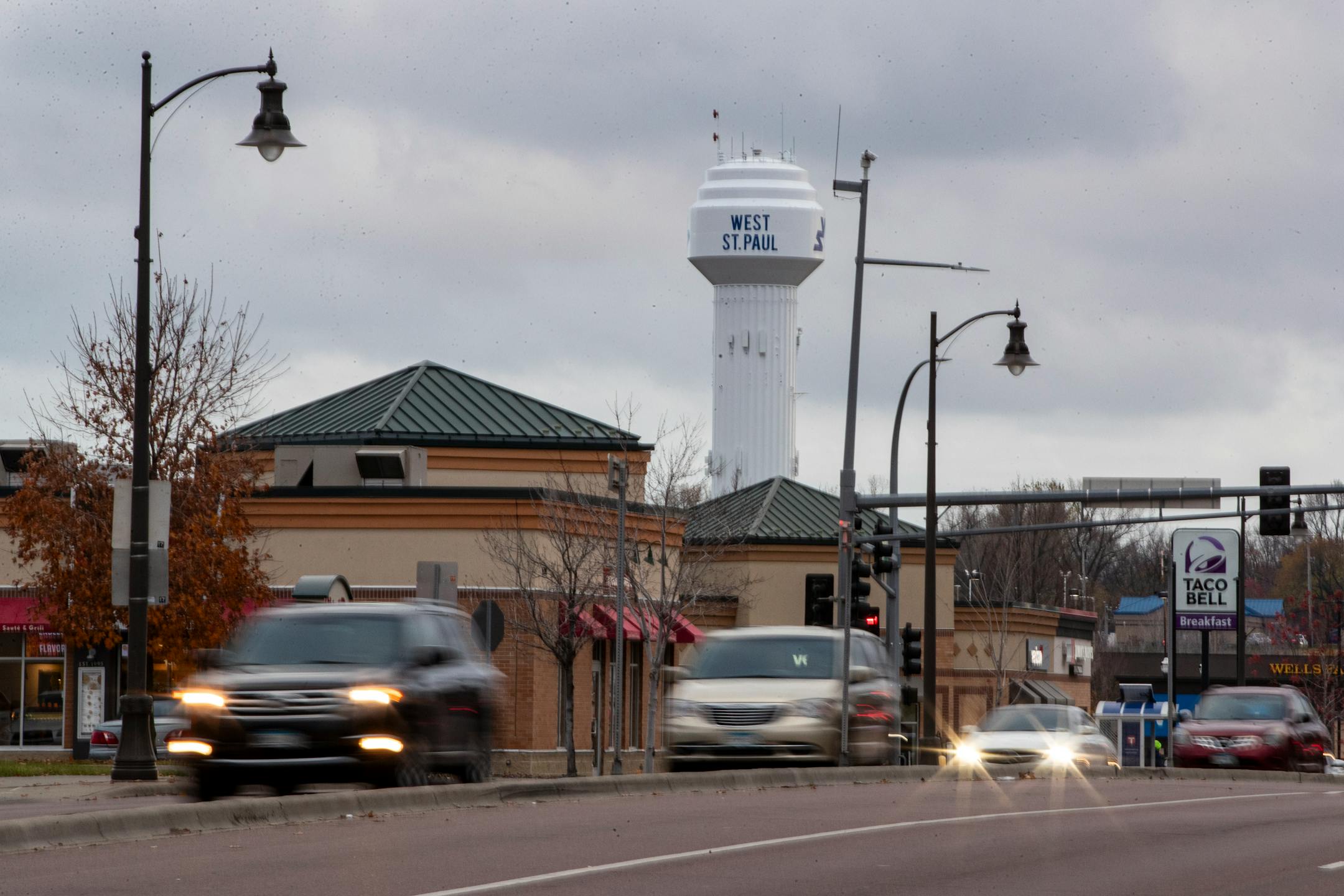
Lane splitting and lane filtering will be among the newest additions to the next edition of the Minnesota Driver’s Manual. (Ayrton Breckenridge/The Minnesota Star Tribune)

Motorcyclists in Minnesota may ride between lanes of traffic in certain situations, a maneuver that became legal when a new state law went into effect in July.

Lane splitting and lane filtering will be among the newest additions to the next edition of the Minnesota Driver’s Manual, the document that spells out the rules of the roads that millions of Minnesotans share with each other.

Lane splitting allows motorcyclists to ride between traffic at up to 25 mph when vehicles are moving at 25 mph or slower. Lane filtering permits them to ride between stopped traffic at up to 15 mph. Both practices are legal as long as it’s between two lanes of traffic going the same direction. The purpose, theoretically, is to improve motorcycle safety and reduce congestion.

Lane splitting and lane filtering will show up in the next edition of the manual that should be out in December or January.

In recent years, new requirements regarding the use of child safety seats have made their way into the book. Terms such as diverging diamond interchanges and J-turns have appeared. Instructions on how to navigate a roundabout and interpret road signs have changed, too.

Every time a law impacting traffic changes, the manual needs updating, which happens annually, said Mark Karstedt, a spokesman with the Department of Public Safety. In 2023, legislative action led to 60 changes, and last year there were about 40.

One of those directed Driver and Vehicle Services (DVS) to write the manual and its website using plain language and using consistent terminology. In the past, a behind-the-wheel test may have also been called a skills test in some places or a road test in others. Now, it is simply a road test throughout the manual.

“The importance of reader understanding cannot be overstated,” Karstedt said. “Being clear and concise, as well as using everyday words, helps all of us understand what is expected of us as drivers and follow the rules of the road.”

DVS started issuing driver’s licenses in 1934 and drivers’ guides or manuals followed shortly after, Karstedt said.

The last printed version rolled off the presses in 2015 as costs rose and the way Minnesotans accessed information changed, Karstedt said. Now DVS posts the manual online.

From January through September, the manual was accessed 137,943 times, according to DVS data. It is not clear if was done primarily by people preparing to take their written exams or others as well.

The book can be downloaded and printed out at home, or hard copy versions can be checked out at libraries or purchased at some offices where driver’s licenses are processed. In addition to English, the manual is produced in six languages: Spanish, Hmong, Somali, Russian, Vietnamese and Karen.

DVS is working to add three more — Dari, Pashto and Ukrainian, Karstedt said.

For many, though, the driver’s manual is something they have not cracked open since they got their driver’s license eons ago. It might be worth a review, Karstedt said.

“Refreshing your knowledge about driving helps make your driving experience safer,” he said. “By reviewing a current driver’s manual, readers can learn what is allowed and not allowed in school or road construction zones, near school buses or how children can legally ride in a vehicle.”

If the thought of reading the 100-plus-page manual seems onerous, DVS also has an audio version for listening available on demand.

about the writer

about the writer

Tim Harlow

Reporter

Tim Harlow covers traffic and transportation issues in the Minneapolis-St. Paul area, and likes to get out of the office, even during rush hour. He also covers the suburbs in northern Hennepin and all of Anoka counties, plus breaking news and weather.

See Moreicon

More from News & Politics

See More
card image
Anthony Soufflé/The Minnesota Star Tribune

Federal drug agents seized an eye-popping amount of drugs off Minnesota streets this year. But as one channel dried up, cartels found other ways to get in.

card image