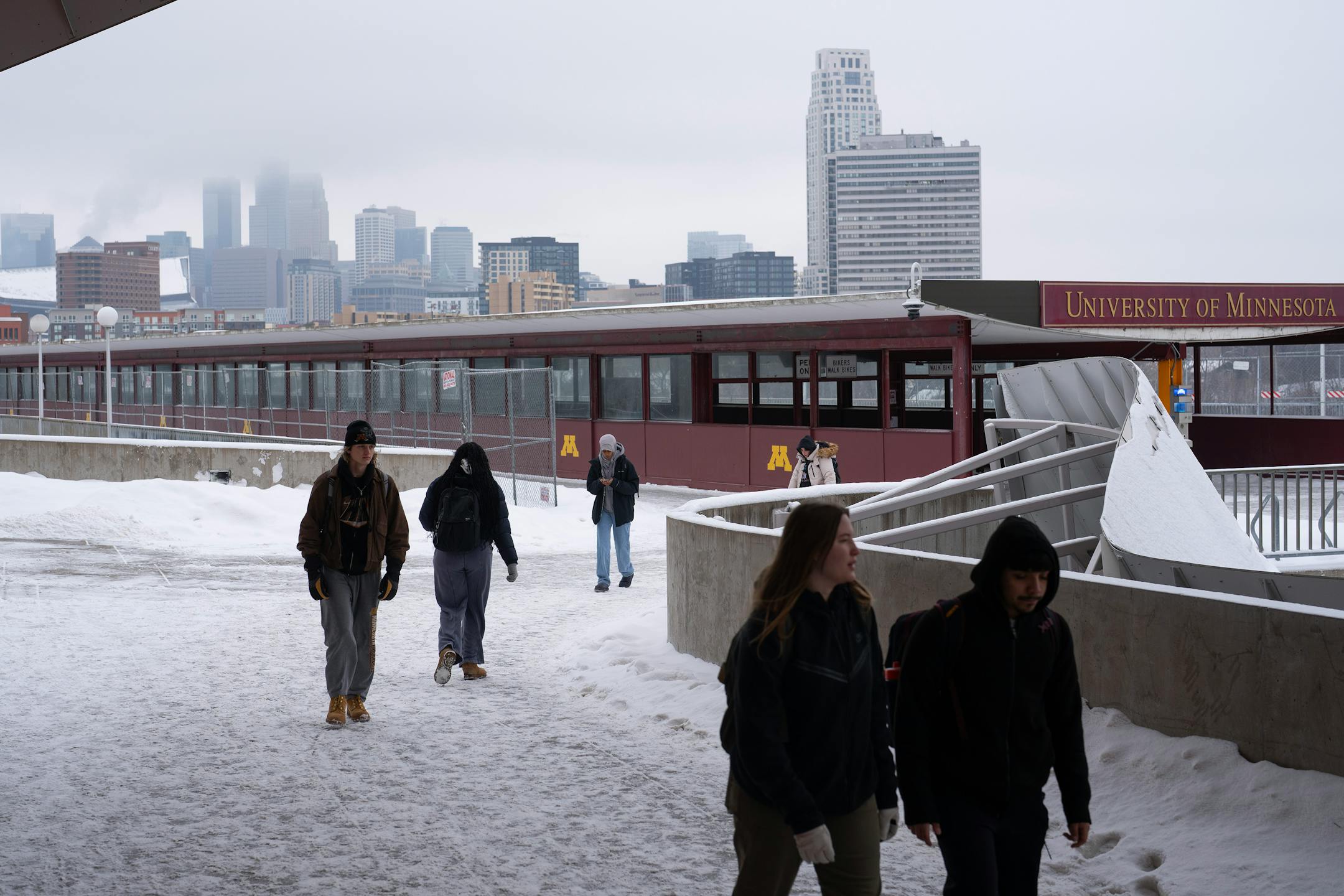
Somali American college students are carrying passports and IDs to class as fear spreads across Twin Cities campuses amid intensified ICE activity and inflammatory political rhetoric.
While some colleges have issued guidance, others have stayed largely silent, leaving students to navigate safety through group chats, word-of-mouth warnings and online videos.
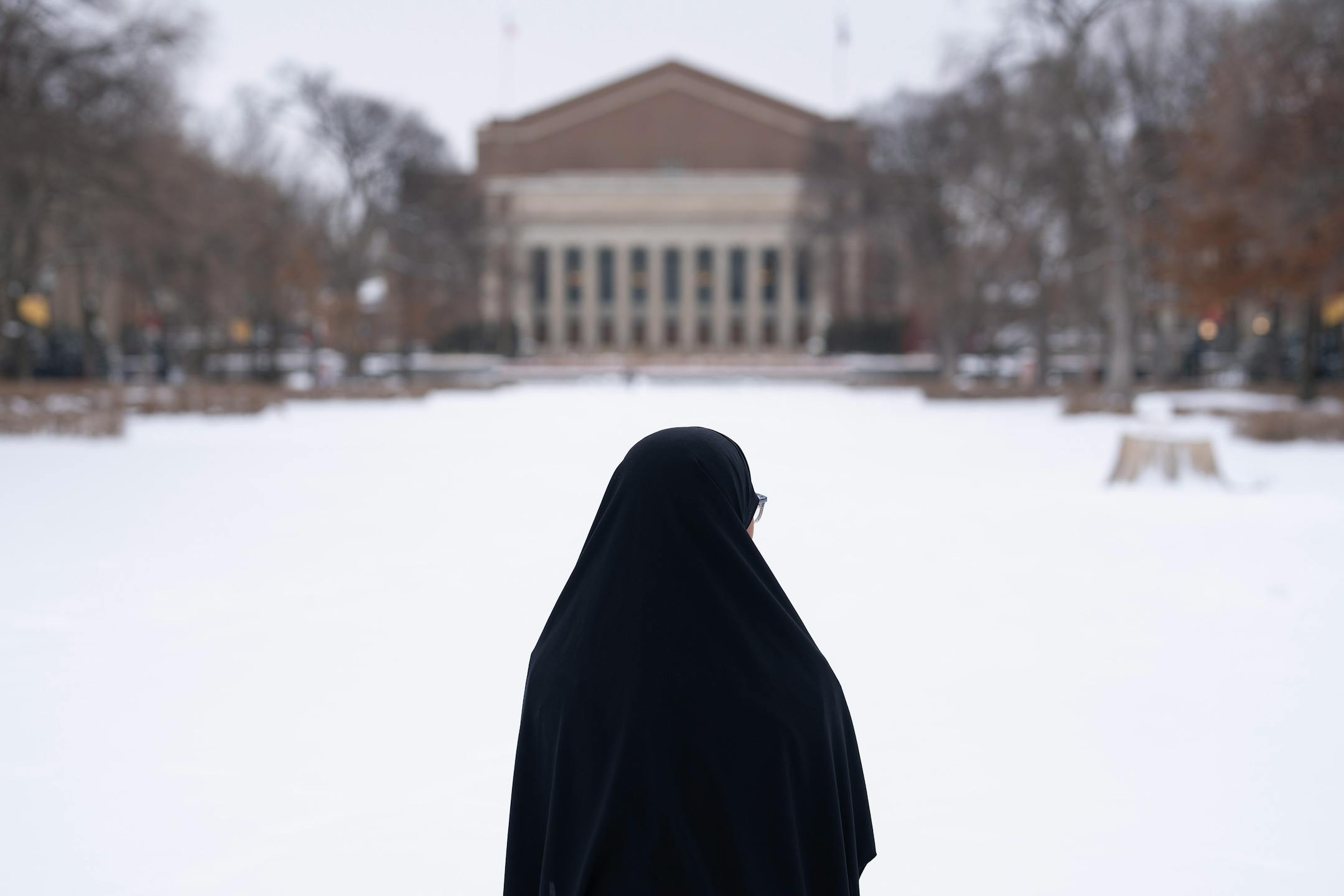
On a recent weekday morning, a University of Minnesota student slipped her passport card into her wallet before heading to class. Born in Minneapolis and a U.S. citizen, she said she never considered carrying proof of citizenship until the past week.
“Make sure to always carry your passport ID with you,” Cho said her dad told her. “You never know what’s going to happen. It can happen to anyone at this point.”
Cho is a freshman at the U who asked to be identified only by her nickname out of concern for her safety. The Minnesota Star Tribune confirmed Cho’s identity through an in-person interview and reviewed her online presence. She commutes from her family’s Minneapolis home to the U, and she and her five siblings — all U.S.-born citizens — now carry identification wherever they go. When they leave for school or work, the family sends updates throughout the day and hopes they all make it home safely.
“Honestly, it’s really scary,” she said. “I’ve been going to classes, but I stay indoors. I’m afraid to participate in everyday activities, hang out with friends or anything. Even going to work, just driving, is anxious, because it’s that constant fear of being stopped and harassed.”
That fear deepened this week, students said, when ICE detained a student on Augsburg’s private campus and two bomb threats followed, and when a Somali American citizen was tackled and detained in Cedar-Riverside despite saying he had his ID.
The American Civil Liberties Union of Minnesota said it has heard of “at least a dozen” U.S. citizens of Somali descent being detained during recent ICE operations — a pattern attorney Ian Bratlie described as unlawful racial profiling that fails to meet the legal standard of reasonable suspicion.