At first glance, the pint-size cypress-wood cabin Emily Faulconer is building looks like a hand-hewn, portable home for hobbits.
Just 200 square feet, Faulconer's future "wee home" in Osteen, Fla., 30 miles northeast of Orlando, is set atop a special trailer that she plans to eventually make her permanent home. It will include bare-bones amenities such as a mini-kitchen and tiny bathroom and living area, constructed in a less expensive and more environmentally friendly space than a sprawling suburban home.
"I like living simply," said Faulconer, a 31-year-old assistant professor of chemistry who chose the tiny lifestyle after escaping a 2,300-square-foot home she no longer could afford.
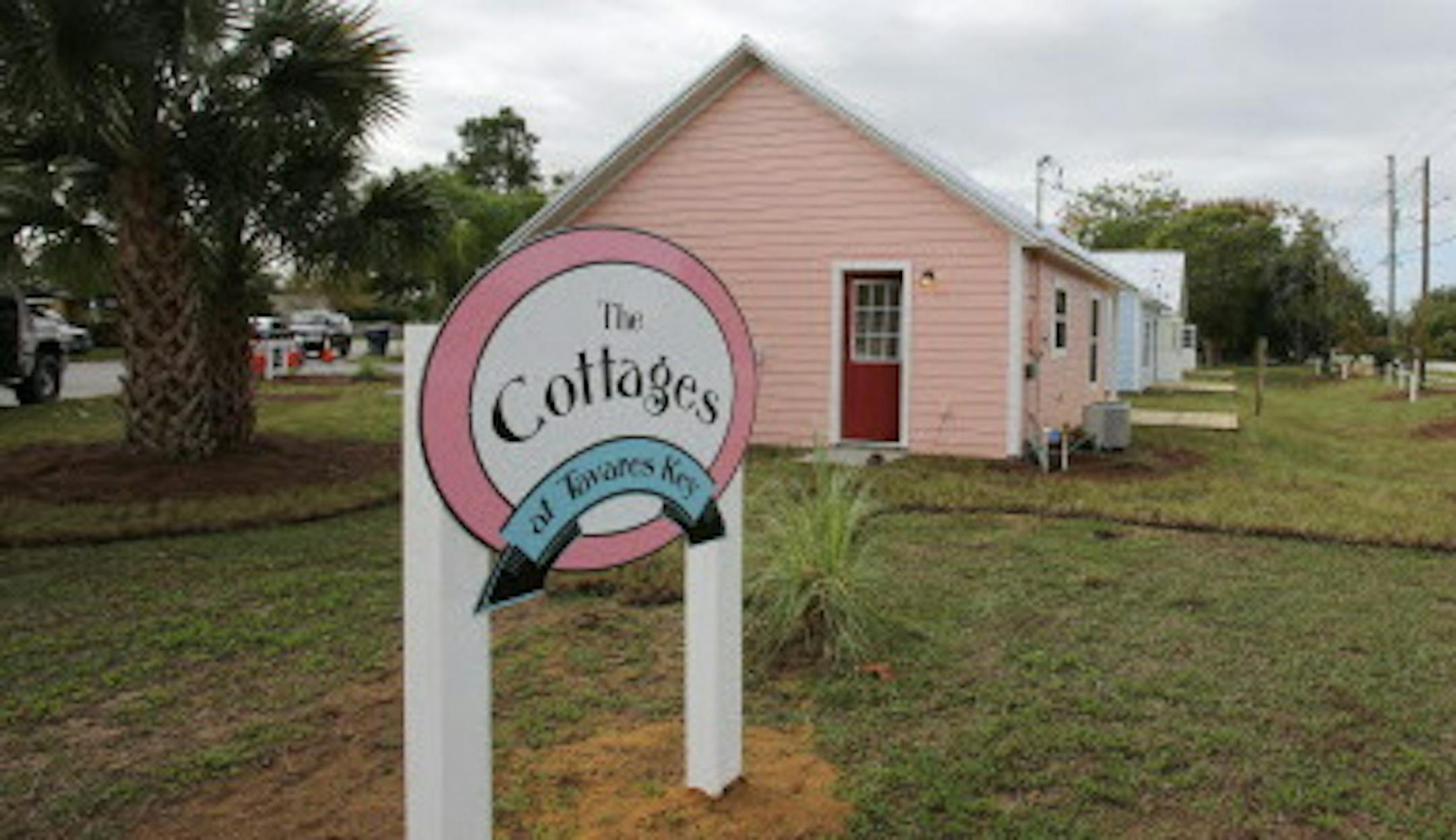
While home sizes have gotten larger in the past few decades, a small-house movement is afoot, advocating downsizing to save money and put less strain on the environment. Champions of the cause don't have a hard-and-fast way to define a "small" home, which can be as small as Faulconer's or the bigger — but still itty-bitty — rental cottages built by builder Jack Smith in Tavares, Fla.
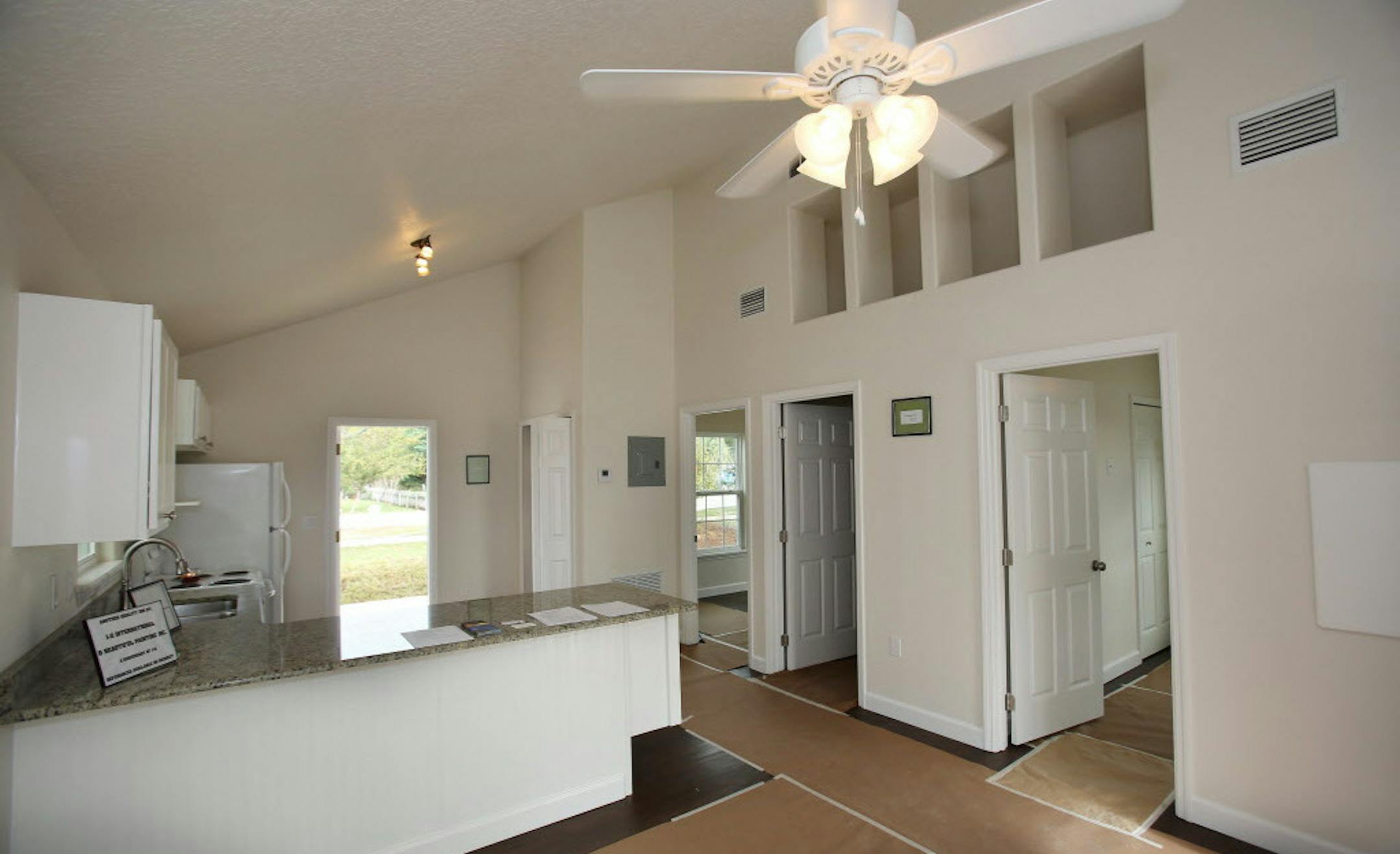
His tropical-themed cottages top out at 576 square feet for two bedrooms and go as small as 424 square feet. Smith hopes his houses, which feature vaulted ceilings and granite kitchen countertops, will give residents a sense of home without the frills.
"It's kind of like the hotel-room concept," Smith said. "We go there to shower and sleep. It's a sense of home without all the extras."
Leading the "tiny home" charge are builders such as Dan Louche, who tours the country teaching people how to build mini homes such as Faulconer's. Louche, owner of Tiny Home Builders of DeLand, Fla., said many aspiring homeowners watched their dreams slip away as the housing market crumbled. Those building smaller houses, on the other hand, can often finance one without taking out a mortgage.
"They can save up to live in a house for free after just two years," Louche said.