Todd Finkelson suffers from road rage, though not the kind that typically makes headlines.
Every day, when he drives from his home near Ashby in west-central Minnesota to Fergus Falls, where he works, he keeps a sharp eye on the road — and an even sharper eye on roadsides.
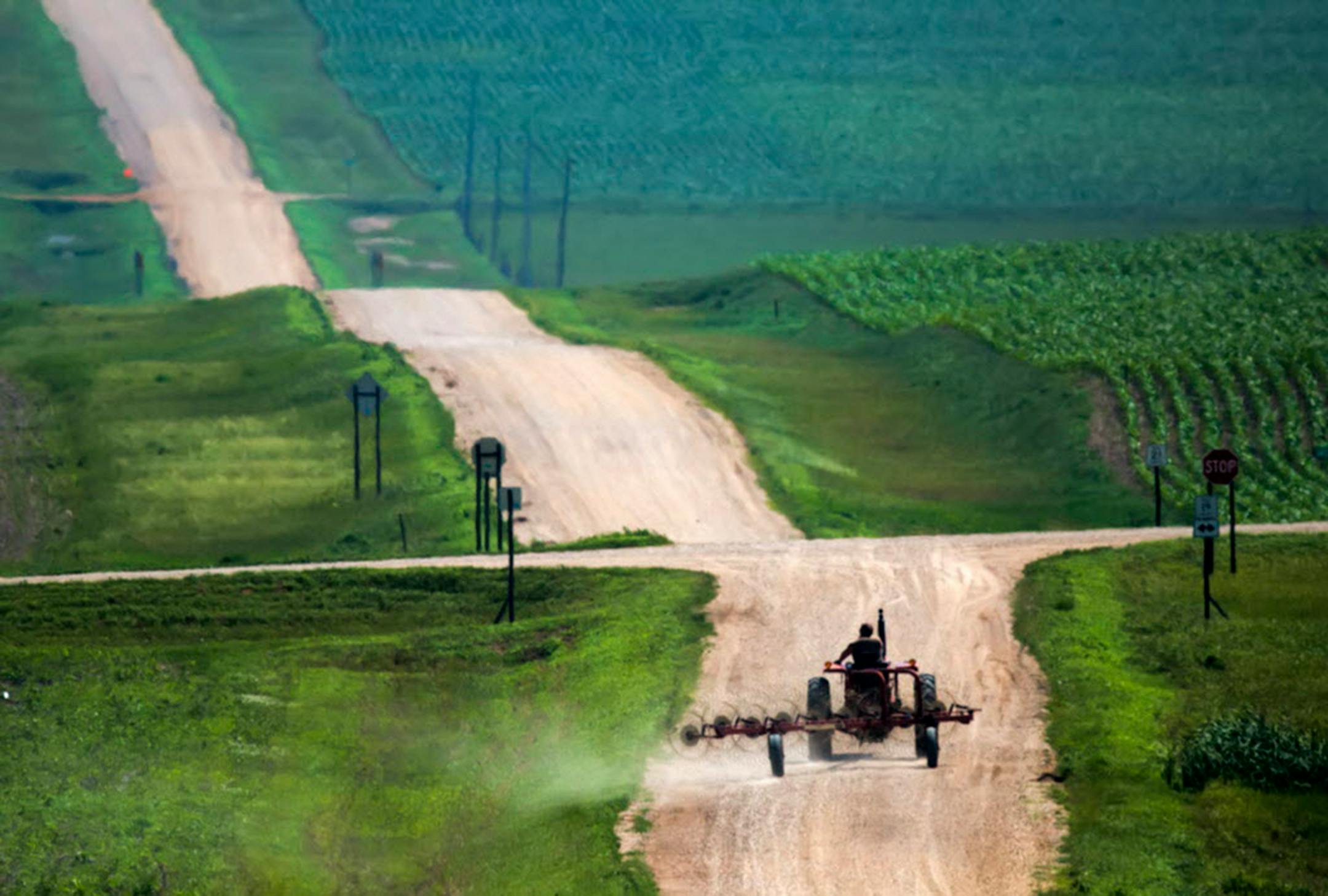
“In that short distance, I can count at least 10 roadsides that have been mowed by farmers or landowners,” Finkelson said. “A lot of the mowing isn’t even for the hay. It’s for cosmetics. They mow just because they think it looks good. All at the expense of wildlife.”
Fifteen-foot safety zones are routinely, and legally, mowed alongside most Minnesota roads. But full-width mowings of the type Finkelson describes occur every summer across Minnesota, sometimes in violation of state law that limits roadside mowing before Aug. 1.
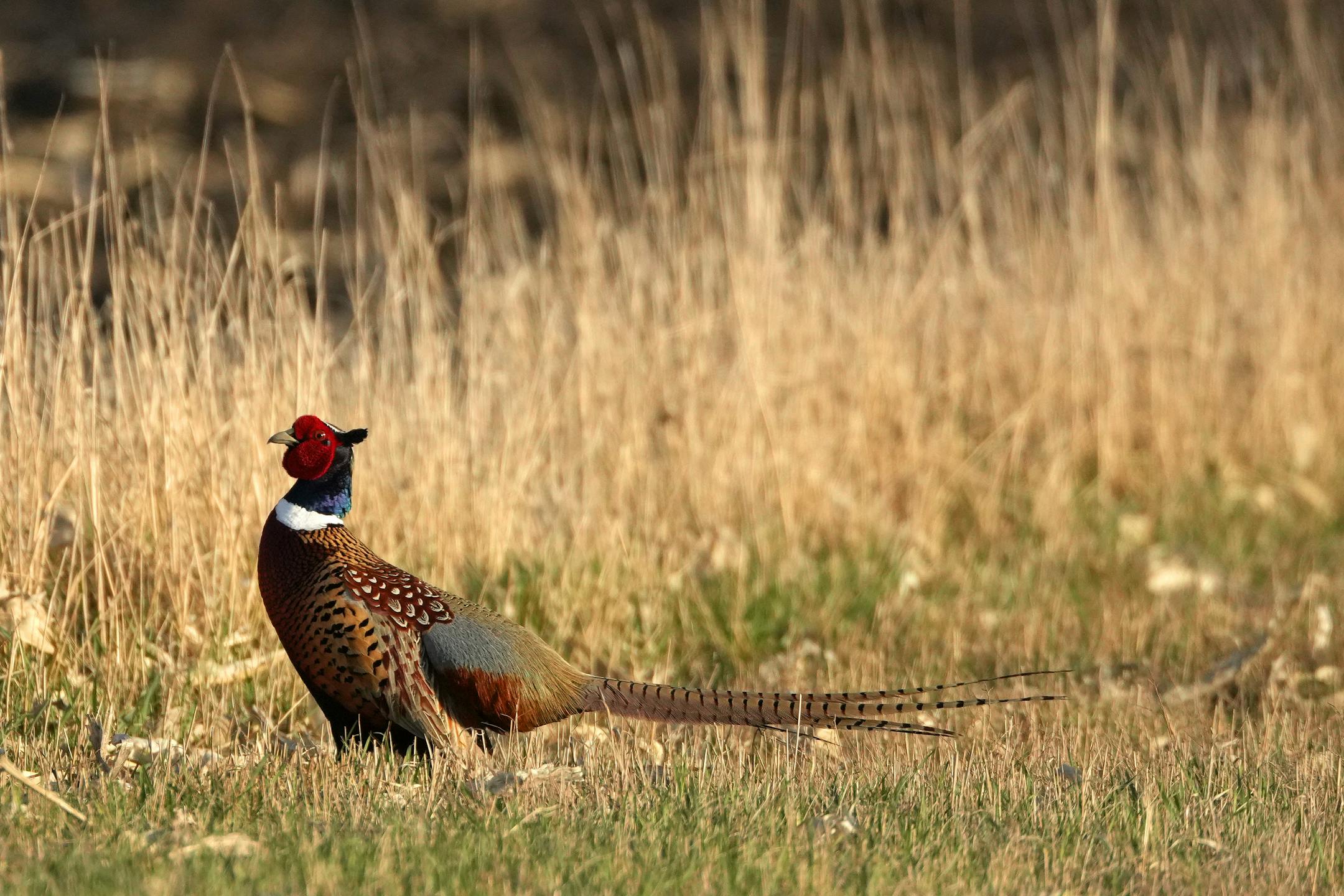
Wildlife suffers in the process, particularly when grasses and other vegetation are cut nearly to the ground, destroying habitat that nurtures insects as well as wildlife.
And if equipment isn’t cleaned after each mowing, Canada thistle and other weeds can be spread.
Sometimes, as Finkelson notes, mowing is done simply to make roadsides appear lawn-like. Other times, farmers mow roadsides for hay to feed livestock or sell.
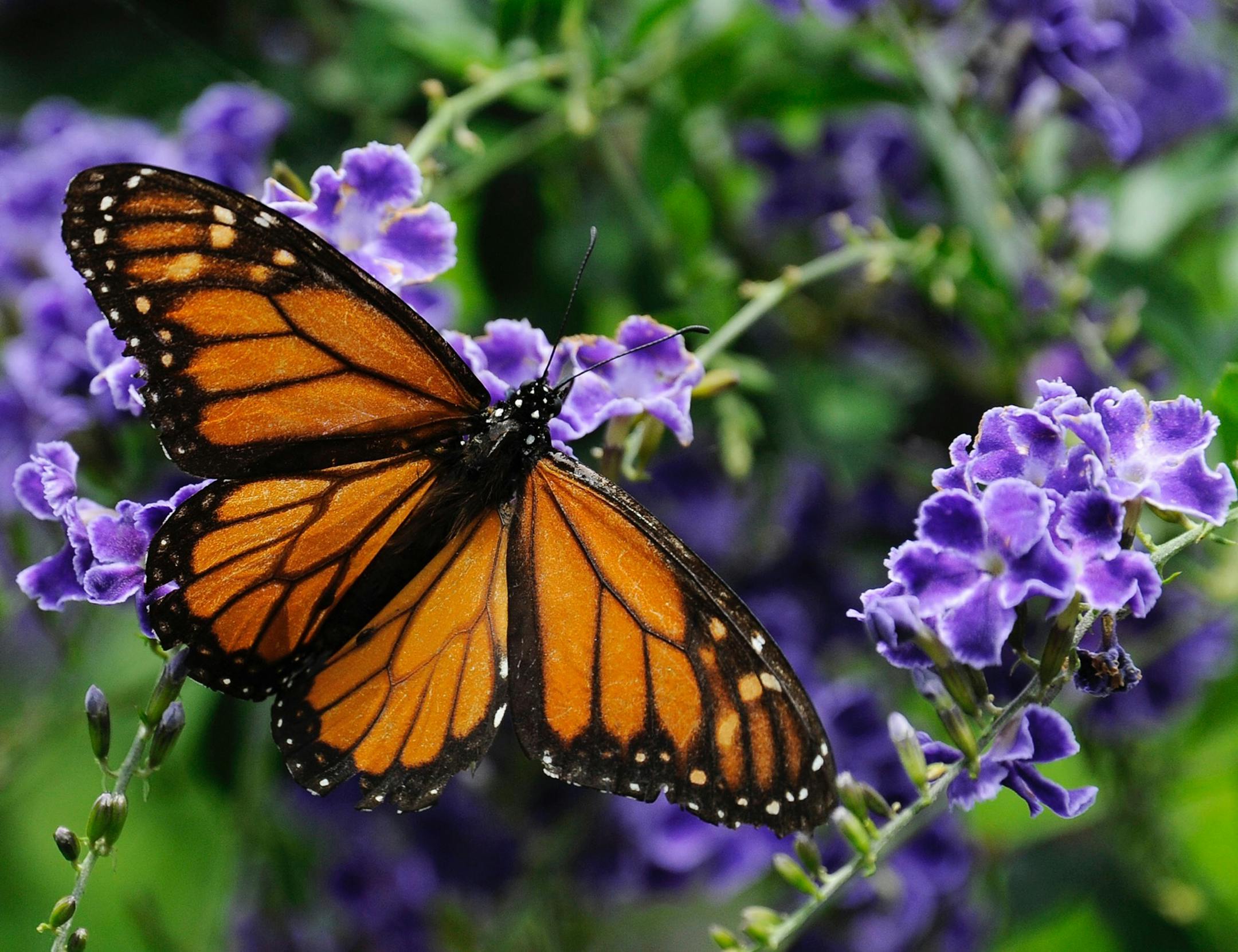
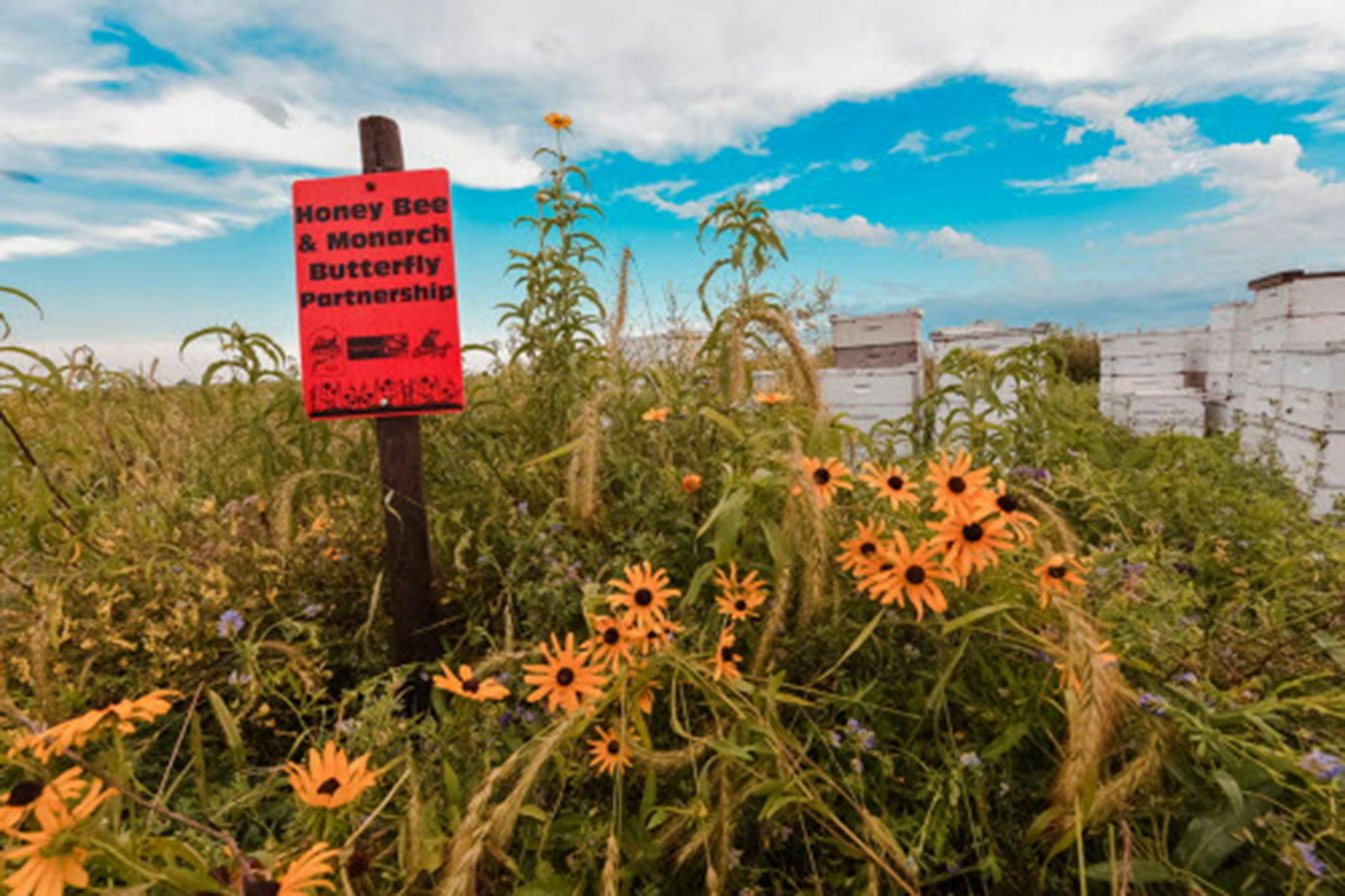
Lost are some of the estimated 500,000 acres of Minnesota wildlife cover that border most Minnesota roads. Gone as well, in many instances, are milkweed and other plants needed to sustain pollinators such as monarch butterflies, which are listed as threatened by the U.S. Fish and Wildlife Service.