There's evidence at the Minnesota Department of Natural Resources, state Transportation Department and Minnesota Legislature that management of roadside grasses for pheasants is getting renewed attention as part of last year's Pheasant Action Plan.
At the DNR this week, the agency is finalizing the hiring of a new "roadsides coordinator'' who will be in charge of reinvigorating a program dropped five years ago due to budget constraints.
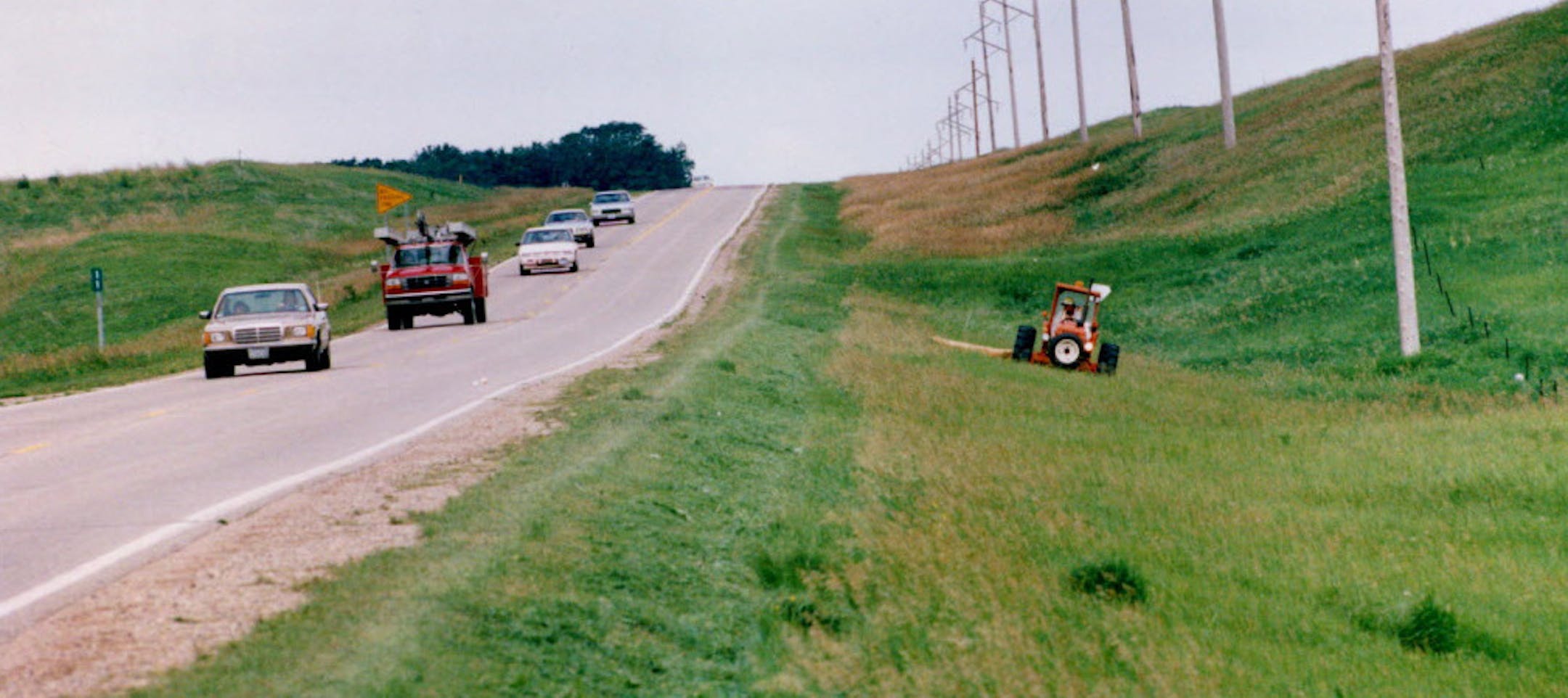
And at the Capitol, Rep. Denny McNamara, R-Hastings, who chairs the House Committee on Environment and Natural Resources, has introduced a bill to boost an existing law that now prohibits transportation departments from mowing entire ditches until the nesting season ends. Policy analysts for the DNR and Transportation Department (MnDOT) are in discussions with stakeholders on how to change the law's language to give it more teeth and to reflect how mowing restrictions also will help bees, monarchs and other pollinators.
"We are all hoping we can get something passed this session,'' said Greg Hoch, prairie habitat team supervisor for the DNR.
Hoch said the new "roadsides coordinator'' will be stationed in New Ulm, chairing or co-chairing the Interagency Roadsides Task Force and spearheading communication issues related to roadside habitat and wildlife.
Minnesota roadsides gained protection as important pheasant habitat more than 30 years ago, when it became illegal to mow them, full-width, until after July 31. The annual mowing delay was built in to give ringnecks and other birds ample opportunity to nest and re-nest, when necessary, for population enhancement.
But after the federal Conservation Reserve Program (CRP) took off in the late-1980s, hundreds of thousands of acres in Minnesota's prairie and farmland regions were taken out of production in a windfall for wildlife. It was during the CRP boom that less attention was paid to roadside habitat and mowings started to occur earlier and earlier, Hoch said.
What's more, farmers were haying the roadsides before July 31 without obtaining permits and many took advantage of lax enforcement by planting crops on roadside right-of-ways. The existing roadside mowing and tilling law, verbatim, only places restrictions on "road authorities,'' so prosecutors were not willing to bring cases against citizens who violated the code, McNamara said.