


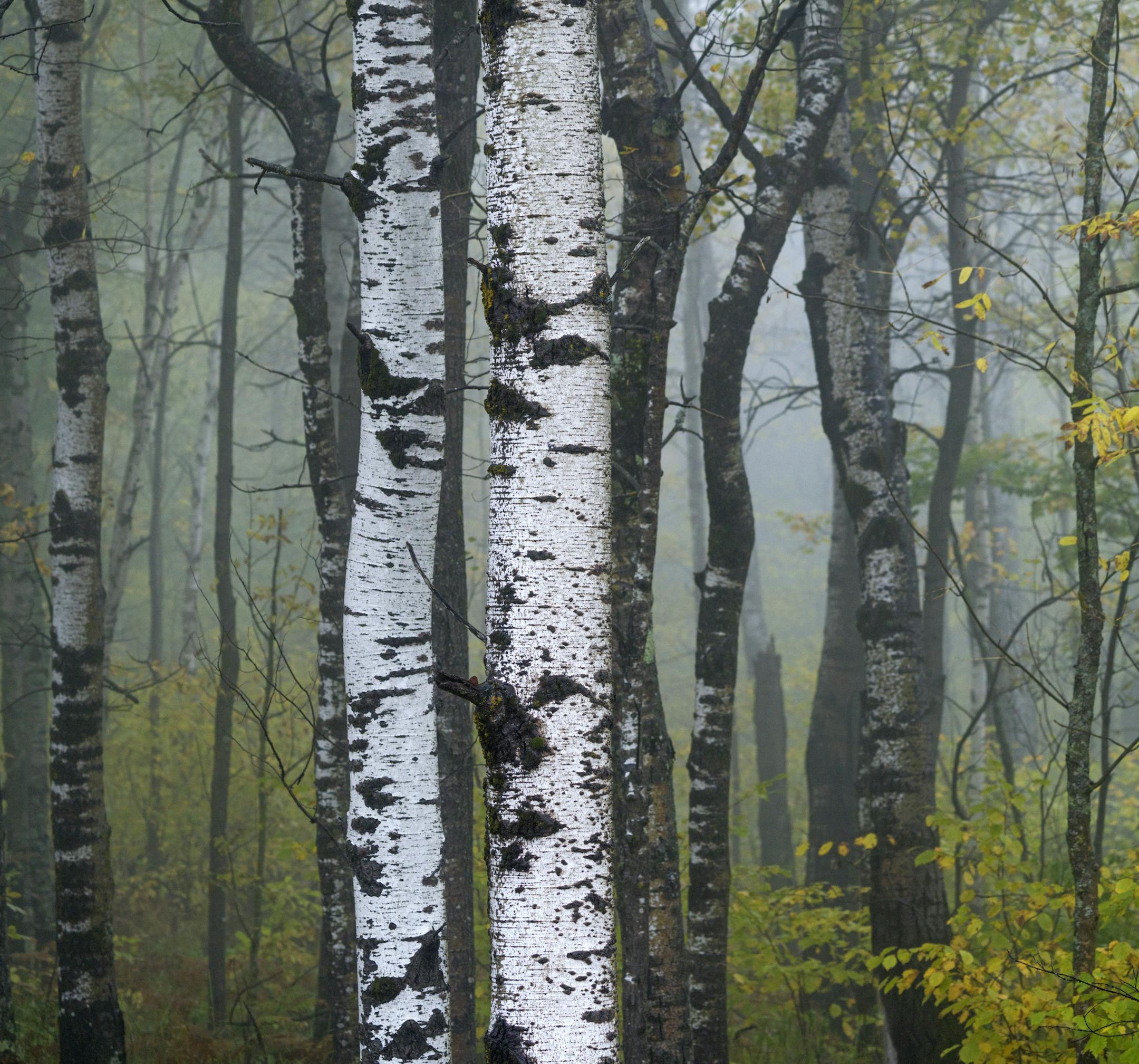
Minnesota Forest Industries executive vice president Rick Horton argues in this second installment of my interview with him that loggers don’t determine the age of aspen that is cut on state lands, the Department of Natural Resources does.
The conflict is one of a handful of flashpoints that arose after the federal government withheld more than $20 million from the DNR for failing to document wildlife benefits of logging on state wildlife management areas — a controversy about which the Legislative Auditor also issued a critical report.
In my Nov. 14 column, I quoted a retired DNR forest wildlife planner and a retired DNR forester who said the state’s timber industry’s influence over the DNR threatens forest wildlife.
Headquartered in Duluth, Minnesota Forest Industries represents the state’s approximately 69,000 Minnesotans who cut timber and manufacture lumber, siding and other wood and paper products. The interview has been edited for length and clarity.
Q: The controversy over logging on state wildlife management areas has highlighted the conflict between DNR leadership and wildlife advocates about the minimum age aspen should be cut —not only on WMAs, but throughout state forests. The DNR says 40 years is the “minimum rotation age” for aspen, while wildlife advocates say that’s too young to provide the understory and cavities necessary for deer, grouse, woodpeckers, martens, fishers and other wildlife.
A: The timber industry doesn’t make decisions regarding aspen cutting ages. The DNR does.
Q: But about in 2012, the timber industry sought the earlier rotation age.
A: That was when DNR Commissioner Tom Landwehr and Deputy Commissioner Dave Schad changed the minimum aspen rotation age to 40 years from, I think, 50 or 60 years. We agreed with that decision. But it has to be considered in context of an even longer timeline, dating to the 1990s and before. Wildlife advocates said then we had too much older aspen and they wanted it cut to provide browse for deer and other wildlife. In the 1980s, in fact, the state paid loggers just to knock down aspen and leave it, without bringing it to mills.


![Attendees of Frostbike made their way through the convention Saturday at the Quality Bike Products campus in Minneapolis. ] (AARON LAVINSKY/STAR TRIBUNE) aaron.lavinsky@startribune.com Frostbike 2016 was held at the Quality Bike Products Campus on Saturday, Feb. 27, 2016 in Bloomington, Minn.](https://arc.stimg.co/startribunemedia/NH2BSHB74ND2V6GF2G2HI5X4MM.jpg?&w=252&ar=3:2&fit=crop)