“Quite frankly, what is in the reconciliation bill does more to support assassins than it does American families,” U.S. Rep. Jim McGovern, a Massachusetts Democrat, was quoted as saying.
To put such hyperbole in context, let’s look at some facts:
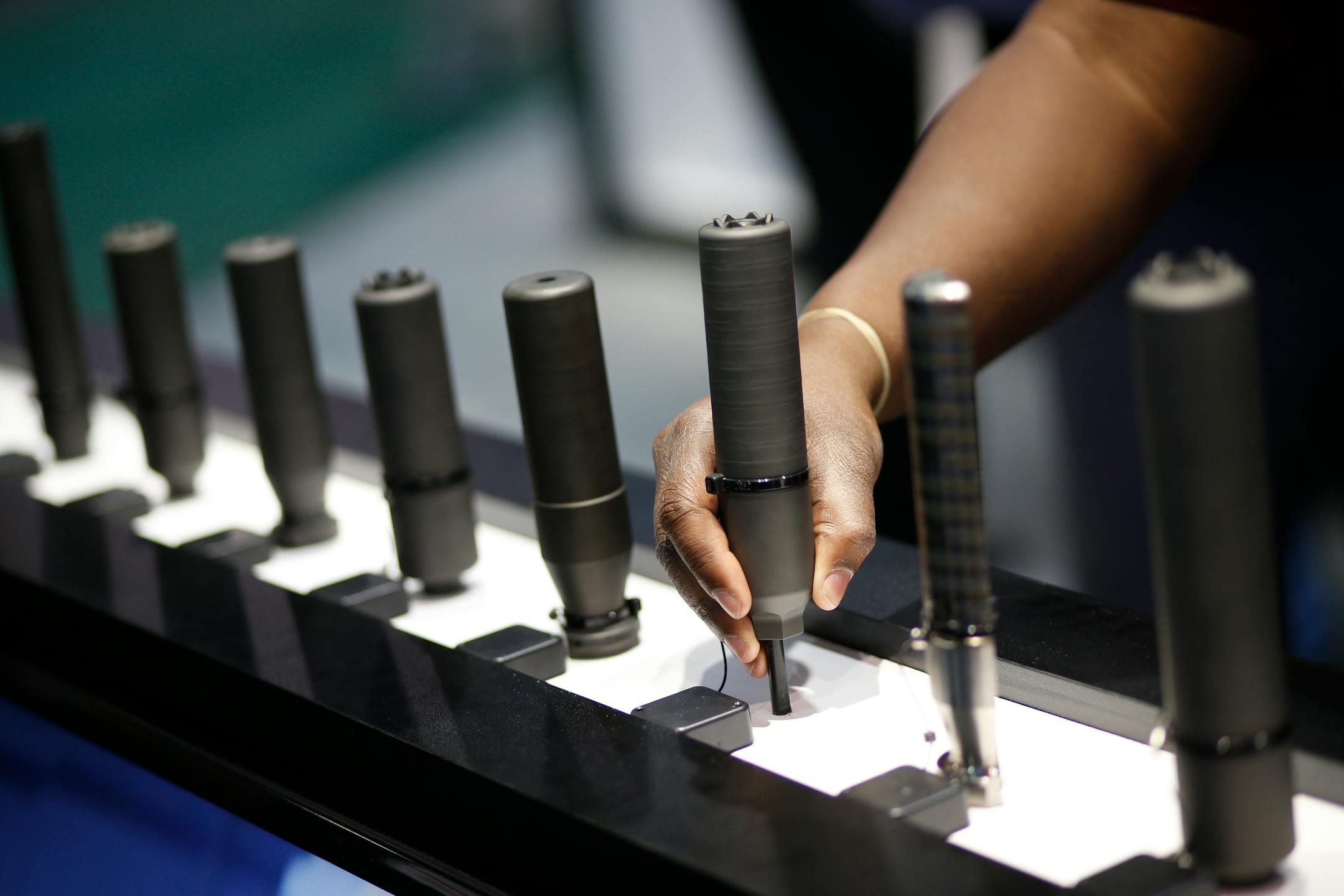
• Minnesota is among 42 states where suppressors can be legally purchased. But buying a suppressor is considerably more cumbersome than purchasing a hunting rifle or shotgun. It’s a virtual certainty that no John Wick-type character would submit to the fingerprinting, photo submission and other requirements, including two contacts with a local sheriff. Also, suppressors are stamped with serial numbers and assigned to specific buyers, with records retained by the Bureau of Alcohol, Tobacco, Firearms and Explosives (ATF).
• Hunters represent perhaps a third of suppressor purchasers. Primarily, they want to save their hearing. Also, they don’t want to scare away game if they miss a shot. And they don’t want to disturb other game in the area (where their buddies might be hunting).
• Most of the remaining 60% or so of suppressor purchasers are target shooters or enthusiasts who plink at ranges for fun or in competition. In addition to quieting a gun, suppressors reduce recoil, making shooting more comfortable without affecting accuracy.
• Suppressors aren’t cheap. Most are made of titanium and/or stainless steel, which are durable and lightweight. Depending on the firearm caliber to be fitted, buyers can spend about $500 to about $1,200 for most suppressors. In some cases, suppressors can fit multiple guns. In other cases, they are gun (or at least caliber) specific. Older gun barrels sometimes have to be threaded so suppressors can be attached. Many new firearms come threaded from the factory, and some are offered in short versions so they aren’t overlong if suppressors are attached.