
Anderson: Fewer ducks but lots of memories as Fosston Ritz Duck Camp celebrates 80 years

Warm weather is forecast as the state’s 55,000 waterfowlers take to the field Saturday for the season’s opener.

Columnist Icon
The Minnesota Star Tribune
September 25, 2025 at 8:00PM
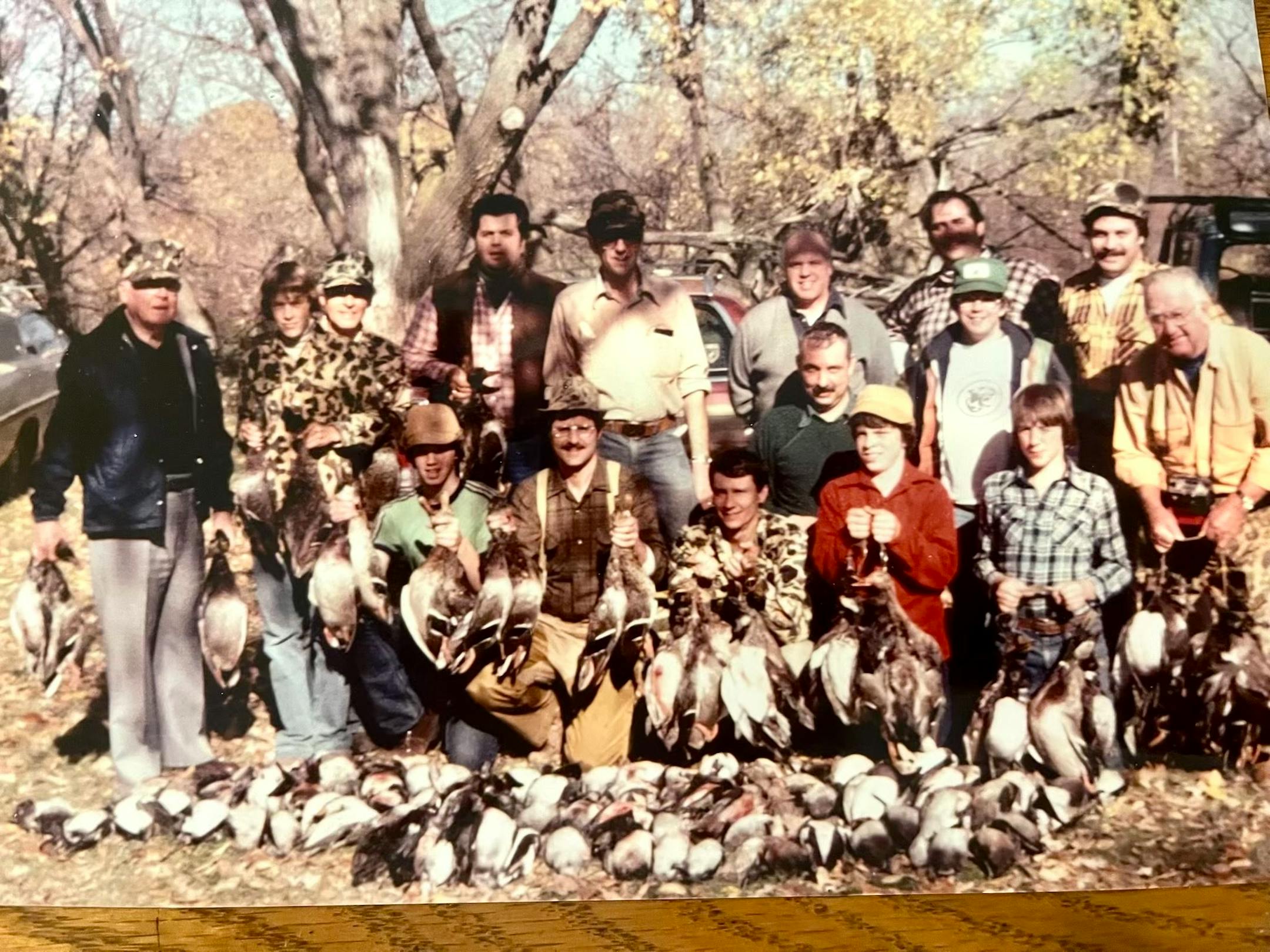
Though duck hunting has slowed considerably at northern Minnesota's Fosston Ritz Duck Camp, as it has statewide, some seasons have seen banner harvests by camp members and their guests. This photo is from 1980. (Courtesy of Bill Cochran)

A lot of ducks have come and gone since the mid-1940s, and hunters, too. But the Fosston Ritz Duck Camp has survived. This weekend, when the ramshackle northwest Minnesota establishment swings open its doors one more time, celebrating its 80th anniversary, 10 or so waterfowlers will pile in with waders and dogs in tow — that and memories of big hunts now past.

Among camp members who will be on site celebrating the opening of the state’s duck season Saturday will be Bill Cochran of the Twin Cities.

Now 80 years young, Cochran was just 12 when he and his dad joined the Fosston Ritz in 1957. The camp had been started by Bill Fagan Sr. of Hibbing who, like Cochran’s dad, was in heavy equipment sales.

The younger Cochran’s dreams of being a duck hunter and all that entails — the early mornings, the dank marshes, the whistling wings overhead — conflicted at times with his equally passionate desire to play high school football.

“But my grandmother owned property in Alberta, where my dad also hunted ducks,” Cochran said. “Dad told me if I wanted to play football, we’d stay in Duluth, where we lived, for the games on Friday night, after which we’d drive four or five hours to the duck camp for the weekend. But if I played football, he said, I couldn’t go to Alberta with him to hunt ducks. So I quit football.”

The founding headquarters of the Fosston Ritz was an abandoned farmhouse that doubled as a mouse hotel. The outfit’s half-dozen or so members, along with their guests, slept upstairs. To survive possible fires, they hung ropes from the leaky windows.

“The plan was to shimmy down the ropes if the place burned,” Cochran said.
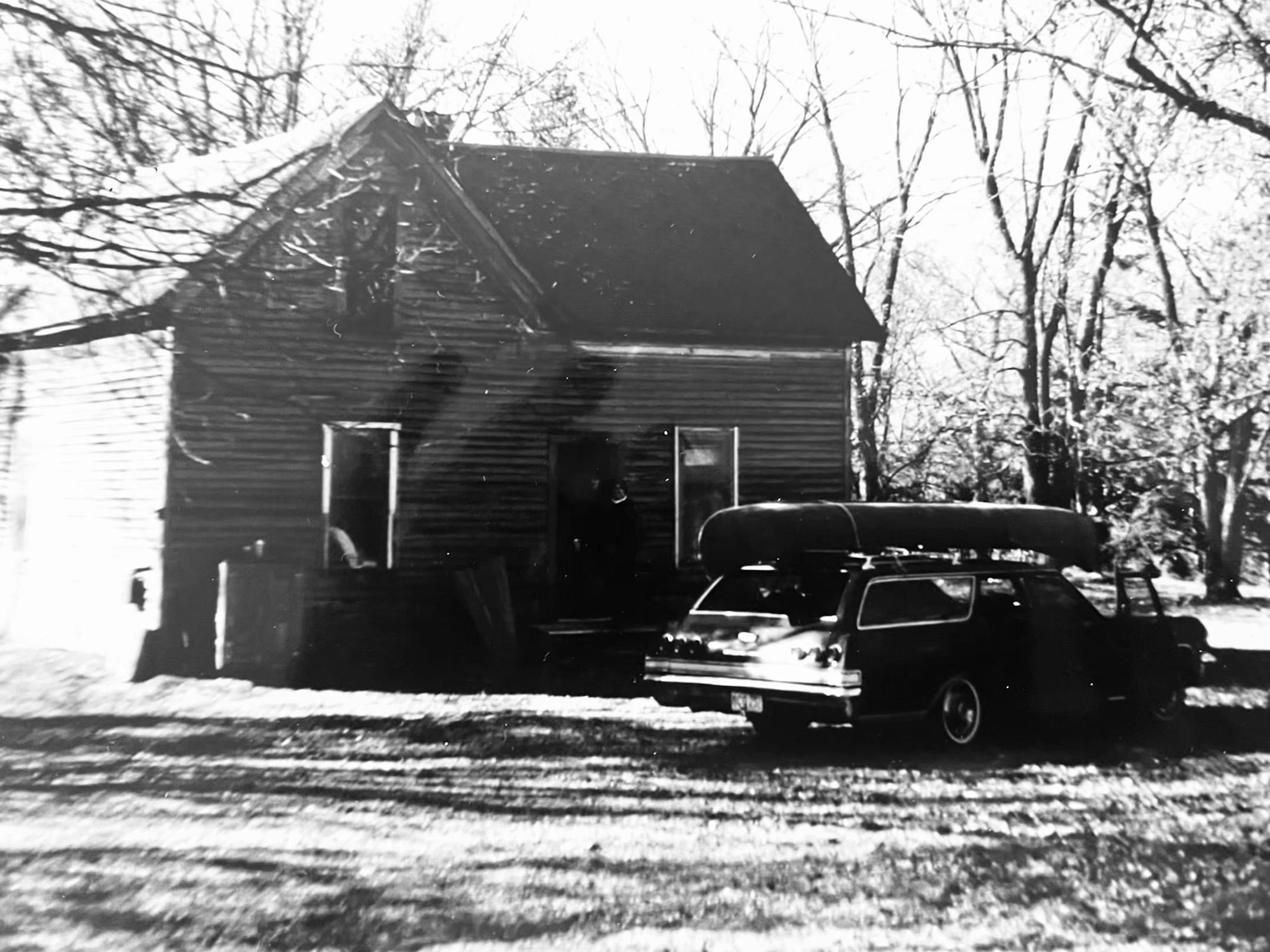
From a meager start in an abandoned farmhouse dating to its founding in the mid-1940s, the Fosston Ritz Duck Camp is still going strong 80 years later. Its members are looking forward to the first day of the state's duck season on Saturday. (Courtesy of Bill Cochran)

Hunted over potholes that surrounded the shack, ring-necked ducks, along with bluebills and mallards were the club’s primary attractions. Targeting these, young Cochran shouldered a 20-gauge Winchester Model 12 his dad had presented him, and the two shot alongside their black Labrador, Duke.
The Fosston Ritz was among Minnesota duck camps that flourished after World War II. Dating in the state to the late 1800s, these seasonal outposts were the province, initially, of the well-heeled, including St. Paul railroad titan James J. Hill and his son, Louis. Both had custom-made rail cars that toted them and their buddies to Heron Lake in southwest Minnesota and to Lake Christina in west-central Minnesota — migratory stopovers at the time for hundreds of thousands of canvasback ducks.

By 1957, when Cochran’s dad, Bill, was invited to join the Fosston Ritz, tens of thousands of Minnesota waterfowlers of ordinary means could afford to establish duck camps, and to travel to hunt. At the time, ducks were plentiful, with Minnesota’s bluebill harvest in those years topping 100,000.

Today, because of habitat loss, including wetland drainage and the conversion of native prairies and other grasslands to crop fields, fewer than 20,000 bluebills are killed each fall in Minnesota.

Licensed duck hunters similarly have declined, from a peak of about 140,000 in Minnesota to approximately 55,000.

Yet, as it has since its founding, the Fosston Ritz offers its members more than a place to kill ducks.

Feasts in the old farmhouse on evenings before opening day are a highlight, as are tales told around a nighttime campfire.

“For me, when I was a kid, during the week before the opener there was always a lot of anticipation,” Cochran said. “It continued that way while I was a student at UMD. By then my parents had a cabin on a lake just north of Duluth, and my buddy and I stayed there and hunted ducks every morning before class. My freshman year I hunted 39 out of the season’s 40 days.”

A rule in place until the mid-1970s prohibited women from showing up at the Fosston Ritz.

“Then one year we agreed that the second weekend of the season is usually a bust in terms of the number of ducks we saw, so why not let the kids come?” Cochran said. “Soon after that, wives came, too. I think my wife, Barbara, has been coming to camp since about 1965.”

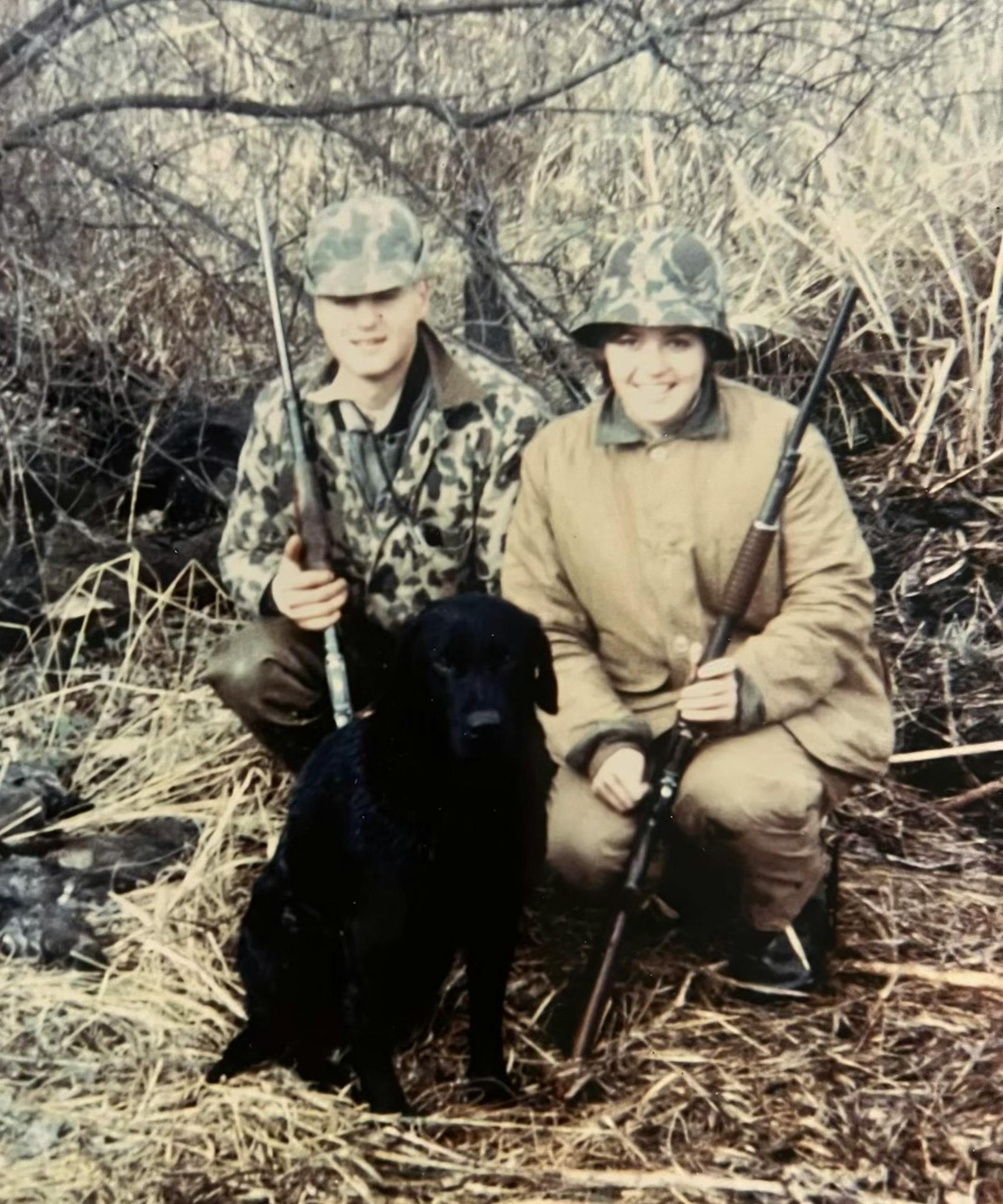
Bill Cochran grew up in Duluth and along with his dad joined the Fosston Ritz Duck Camp in 1957, when the younger Cochran was 12. Here Cochran is shown with his wife, Barbara, and their black Labrador, Duke, in 1965, the first year women were allowed to come to the duck camp. (Courtesy of Bill Cochran)

Five of the half-dozen or so members of the Fosston Ritz today are grandsons of original members, a source of pride. Cochran’s son, Paul, is also a member, and has a string of 41 consecutive openers at the camp to his credit.

“In my 68 years of being a member, I’ve only missed one opener,” the elder Cochran said. “I worked in human resources for Control Data for 36 years, and one year we were doing an acquisition in Europe, and I just couldn’t make it home.”

So it will be Friday evening, when lights in the old farmhouse flicker one more time, that members and guests of the Fosston Ritz gather for a pre-opener dinner. They will remember camp members and others who have passed on, or who are no longer well enough to attend.

“What’s most important to us about the opener,” Cochran said, ”is getting onto the land around our camp one more time, and seeing the sunrises and sunsets, which are just spectacular. I don’t see the people I hunt with at the camp very often. Then the opener comes and suddenly we’re together."

about the writer

about the writer

Dennis Anderson

Columnist

Outdoors columnist Dennis Anderson joined the Star Tribune in 1993 after serving in the same position at the St. Paul Pioneer Press for 13 years. His column topics vary widely, and include canoeing, fishing, hunting, adventure travel and conservation of the environment.

See Moreicon

More from Outdoors

See More
Rising above the treeline (Top of this photo), on the shore of Birch Lake, the Twin Metals Copper Nickel Mine Plant site and Tailings Management site is part of the proposed plan. ] In theory, the copper-nickel mine Twin Metals wants to build in the headwaters of the Boundary Waters Canoe Area Wilderness is a zero-discharge mine — a closed loop that will endlessly recycle millions of gallons of water, including rainwater and the polluted process water it uses to extract ore and
Brian Peterson/The Minnesota Star Tribune

The copper-nickel mine is controversial for its proximity to the Boundary Waters Canoe Area Wilderness, and the Biden Administration had canceled its leases.

card image
card image