

Among the biggest-grossing films in America in February 2002 were a war drama about American troops in Somalia (“Black Hawk Down”), an Arnold Schwarzenegger action movie (“Collateral Damage”), and a future Oscar winner about a brilliant mathematician struggling with schizophrenia (“A Beautiful Mind”).
But none of these films topped the box office that month. That title went to “John Q.,” a movie about health insurance.
Or, more precisely, a story about a desperate father — played by Denzel Washington — who takes a hospital emergency room hostage at gunpoint when his HMO refuses to cover a heart transplant for his young son.
John Q.’s violent quest for justice was, of course, fictional. And even in the film, no one ends up dead.
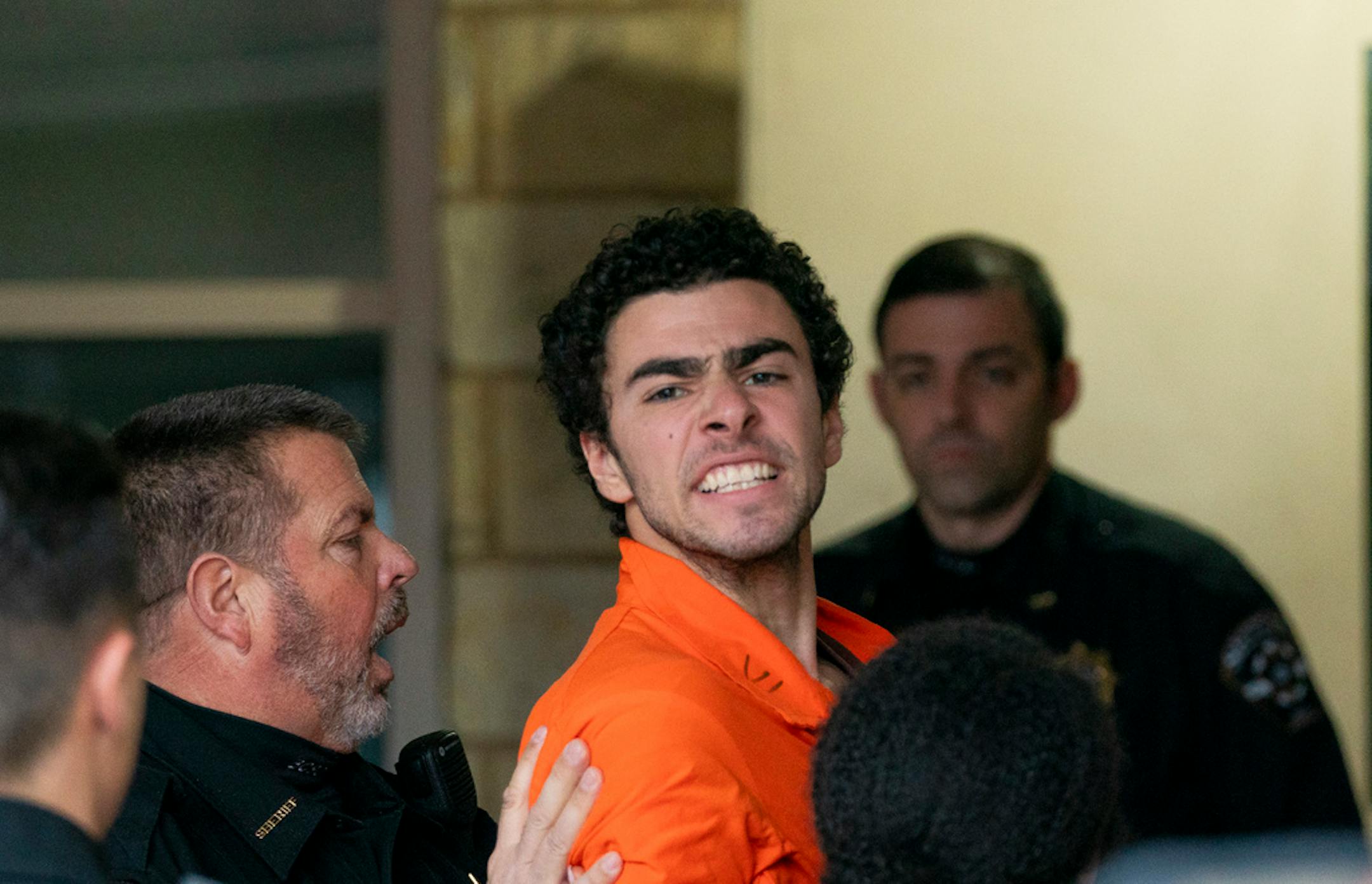
Tragically, that wasn’t the case on the streets of New York City on Dec. 4 when a gunman fatally shot Brian Thompson, CEO of health insurance giant UnitedHealthcare.
But there was nothing new about the anger at health insurers that Thompson’s shooting unleashed online — and which suspect Luigi Mangione expressed in a document he allegedly wrote.
In fact, eruptions of public rage have shadowed the American health care system for decades.
In the late 1990s and early 2000s, as “John Q.” was hitting movie screens, Americans were revolting against HMOs, whose practice of denying care to plan members to pad their bottom lines made them public enemy No. 1.


![Main entrance to the Gonda Building. For more than a century, the city of Rochester has been shaped and defined by the Mayo Clinic. Now the Mayo has a $6 billion vision to reshape the city and itself.Wednesday, February 21, 2013 ] GLEN STUBBE * gstubbe@startribune.com ORG XMIT: MIN1302211648220346](https://arc.stimg.co/startribunemedia/DW2TKC4EDLZZOGDOC5ZEYZNOJ4.jpg?&w=252&ar=3:2&fit=crop)
