

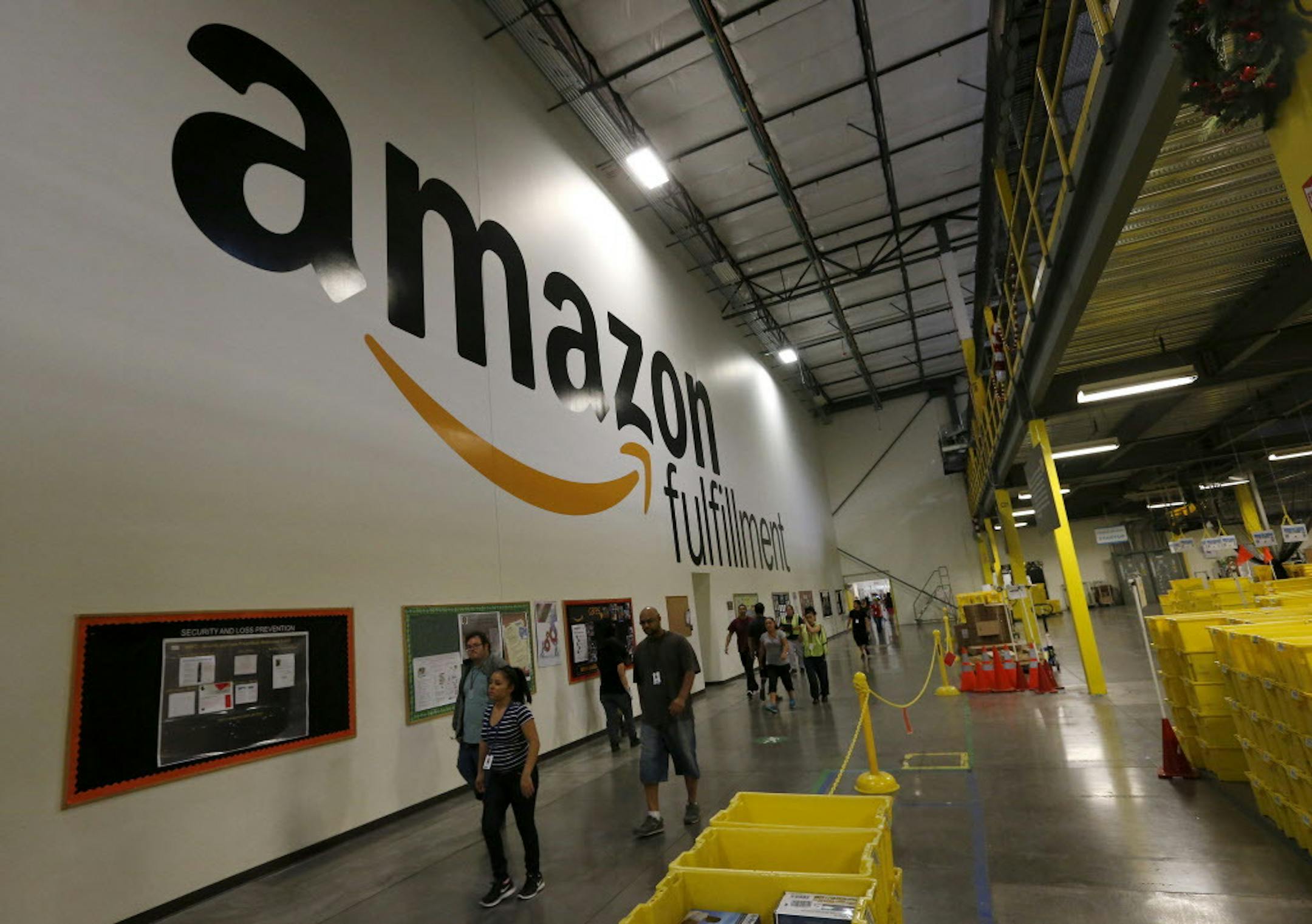
Amazon.com Inc. has invited some of the world's biggest brands to its Seattle headquarters in an audacious bid to persuade them that it's time to start shipping products directly to online shoppers and bypass chains like Wal-Mart, Target and Costco.
Executives from General Mills, Mondelez and other packaged goods makers will attend the three-day gathering in May, Bloomberg has learned. Attendees will tour an Amazon fulfillment center and hear a presentation from Amazon's worldwide consumer chief, Jeff Wilke, who reports directly to Jeff Bezos.
Amazon is looking to upend relationships between brands and brick-and-mortar stores that for decades have determined how popular products are designed, packaged and shipped. If Amazon succeeds, big brands will think less about creating products that stand out in a Wal-Mart aisle. Instead, they'll focus on designing products that can be shipped quickly to customers' doorsteps. Brands have been experimenting with such changes, so the Seattle event may well resonate.
"Times are changing," Amazon says in an invitation obtained by Bloomberg. "Amazon strongly believes that supply chains designed to serve the direct-to-consumer business have the power to bring improved customer experiences and global efficiency. To achieve this requires a major shift in thinking."
Manufacturers would have to re-imagine everything from the way products are made to how they're packaged. Laundry detergent could come in sturdier, leak-proof containers. Instead of flimsy packages designed to pop on store shelves, cookies, crackers and cereal could be packed in durable, unadorned boxes. Plants could spit out products for individuals rather than trucks-full of inventory. It's unclear who would handle the shipping, though Amazon offers a range of fulfillment services. The company declined to comment.
Amazon has been struggling to crack the food and packaged goods market — an $800 billion category still dominated by Wal-Mart and other traditional chains. Persuading brands to design their packaging and operations for the online world would make it easier for Amazon to ship common household goods to urban dwellers in less than an hour, potentially making last-minute dashes to the store obsolete. Amazon must convince brands that even though online purchases represent a small part of their sales, e-commerce is the future.
"Most of these people haven't been interested in e-commerce because e-commerce has been such a small piece of their overall sales," says Melissa Burdick, vice president of e-commerce at the Mars Agency marketing firm. "But we've reached a tipping point. We're at a time when companies are ready to start figuring this stuff out."
Amazon is looking to influence product makers the same way Costco and other club stores convinced brands more than 20 years ago to create bulk sizes sold at a discount. "There was a big perceived penalty for missing the boat, fear of missing out on growth," says Jim Hertel, senior vice president at the marketing firm Inmar. Just like Costco, he says, Amazon will encourage the changes by promising increased sales, a possibly welcome pitch for companies struggling to rekindle sales growth amid rapidly changing consumer tastes and shopping habits.


