

Cargill is getting out of the malt business it entered in 1979, selling the unit to one of Europe's leading maltsters.
The Minnetonka-based agribusiness is shedding the business to focus on its other food and beverage ingredient groups. Pending regulatory approvals, Cargill will sell the business in the second half of 2019 to Boortmalt, a subsidiary of France-based Axéréal, a cereal grains cooperative.
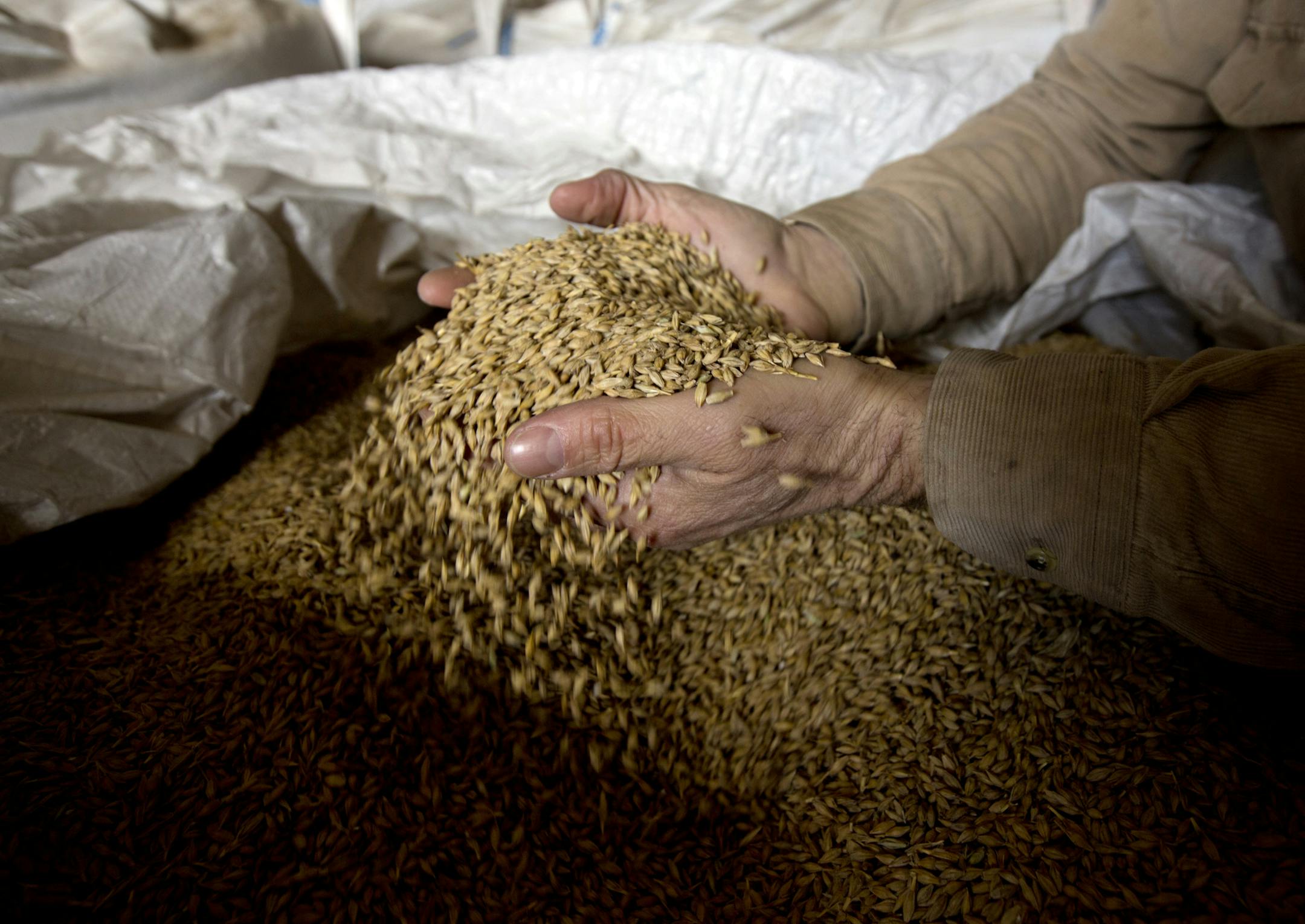
Cargill's malt business has 15 plants across the globe, including in Argentina, Australia, Belgium, Canada, France, Germany, the Netherlands, Spain and the United States. Its core function is to source malting barley and turn that crop into malt that's used to make beer.
Cargill's malt scientists also work with beer companies to develop formulas for meeting various brewing needs.
Boortmalt's plants are all in European nations, including France, England, Scotland, Ireland, Croatia and Hungary.
"Cargill Malt has built and maintained solid relationships with customers of all sizes across the globe and we trust that with Axéréal/Boortmalt, we have found a partner with the right cultural fit, business expertise and know-how for the future of our people and partners," the company said in a statement.
Last spring, Cargill announced plans to shutter its malt facility near Jamestown, N.D., one of its three U.S. plants, citing falling demand for six-row barley.
While the growth in microbreweries and brewing culture has been a boon for two-row barley — grown in the western United States — fewer brewers use six-row barley, which is predominantly what Western Minnesota and the Dakota farmers can grow in the Midwest climate.




