For decades the city of Quilmes, a 40-minute drive south of Buenos Aires, has had the distinction of being the name of Argentina's national beer.
A German immigrant, Otto Bemberg, started his brewery there, on the edge of the River Plate, in the 1880s; today Quilmes (now part of the AB InBev empire) is sold from Iguaçú falls to Tierra del Fuego. But there is more than beer brewing in the city.
From the fall of Argentina's dictatorship in 1983 to 2015, the Peronists, a populist movement, ruled Quilmes and its 650,000 inhabitants for all but eight years.
Then President Mauricio Macri's Cambiemos movement ousted the mayor and city government, which had been loyal to his Peronist predecessor, Cristina Fernández de Kirchner, in a landslide.
Little more than a year ago, Macri seemed assured of another victory in this year's elections, due in October. Then investor confidence in his economic policy of gradual reform collapsed along with the peso, prompting him to secure a record $57 billion bailout from the IMF. With inflation at 56% and unemployment having grown by half, the chances of Macri winning again now seem slimmer.
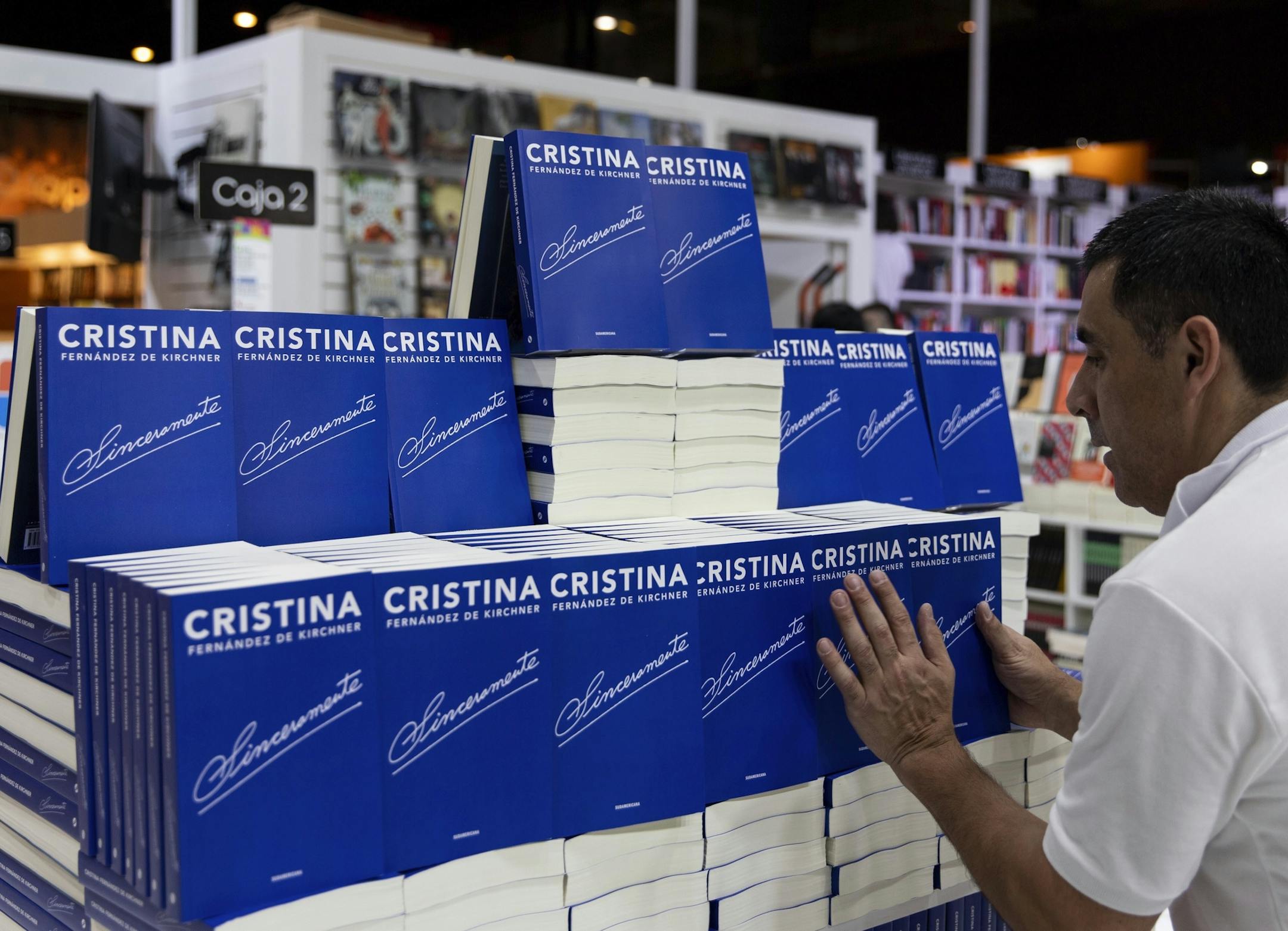
On May 9, Fernández launched a new book (which became an instant bestseller), seemingly signaling that she will enter the race. Quilmes is a battleground for their starkly different philosophies. Can Macri's promise of technocratic reform still beat Fernández's populist nationalism?
A national poll last month by the Isonomía group, which has worked for Macri, showed him losing badly to Fernández. That triggered turmoil in the markets; the peso lost almost 9% against the dollar in a week. On April 29, Macri won permission from the IMF to allow the central bank to prop up the falling peso.
An election today would be too close to call, according to a fresh Isonomía poll.