If the most important consequence of Britain's general election is that the European Union will break up, the second most important is that the United Kingdom itself may not survive.
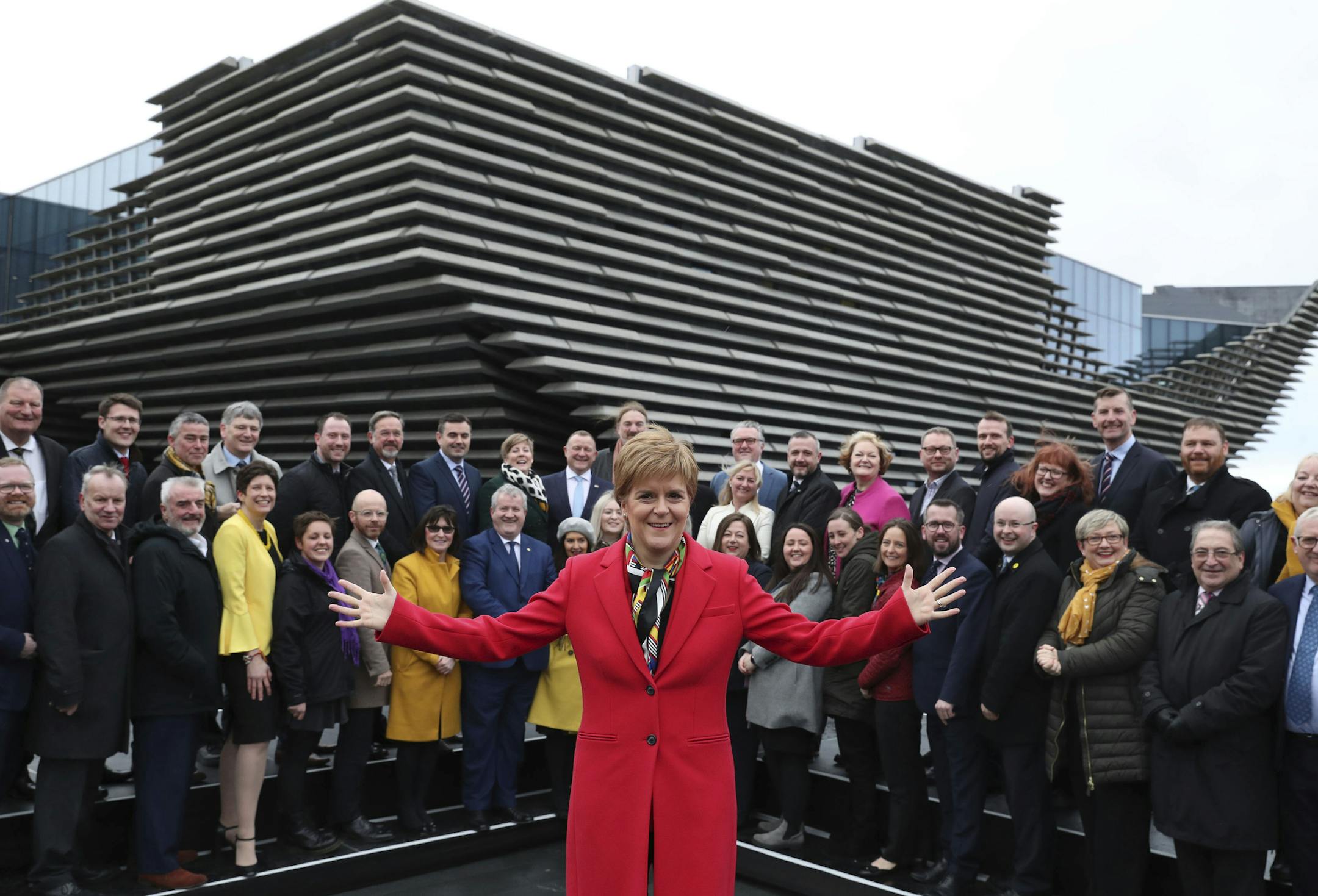
The Scottish National Party's big advance — boosting its seats in Westminster from 35 to 48 out of 59 — combined with the growing gulf between English and Scottish politics, means that the grounds for another referendum on Scottish independence are greatly strengthened.
For the rest of the U.K. this election was about Brexit, but for the SNP, like all politics, it was about Scottish independence. Since the independence referendum of 2014, which it lost, the SNP has been building the case for another vote.
That referendum galvanized pro-independence opinion, and the SNP won a thumping victory in the Westminster election in 2015, though was knocked back somewhat in 2017. This vote strengthens its case.
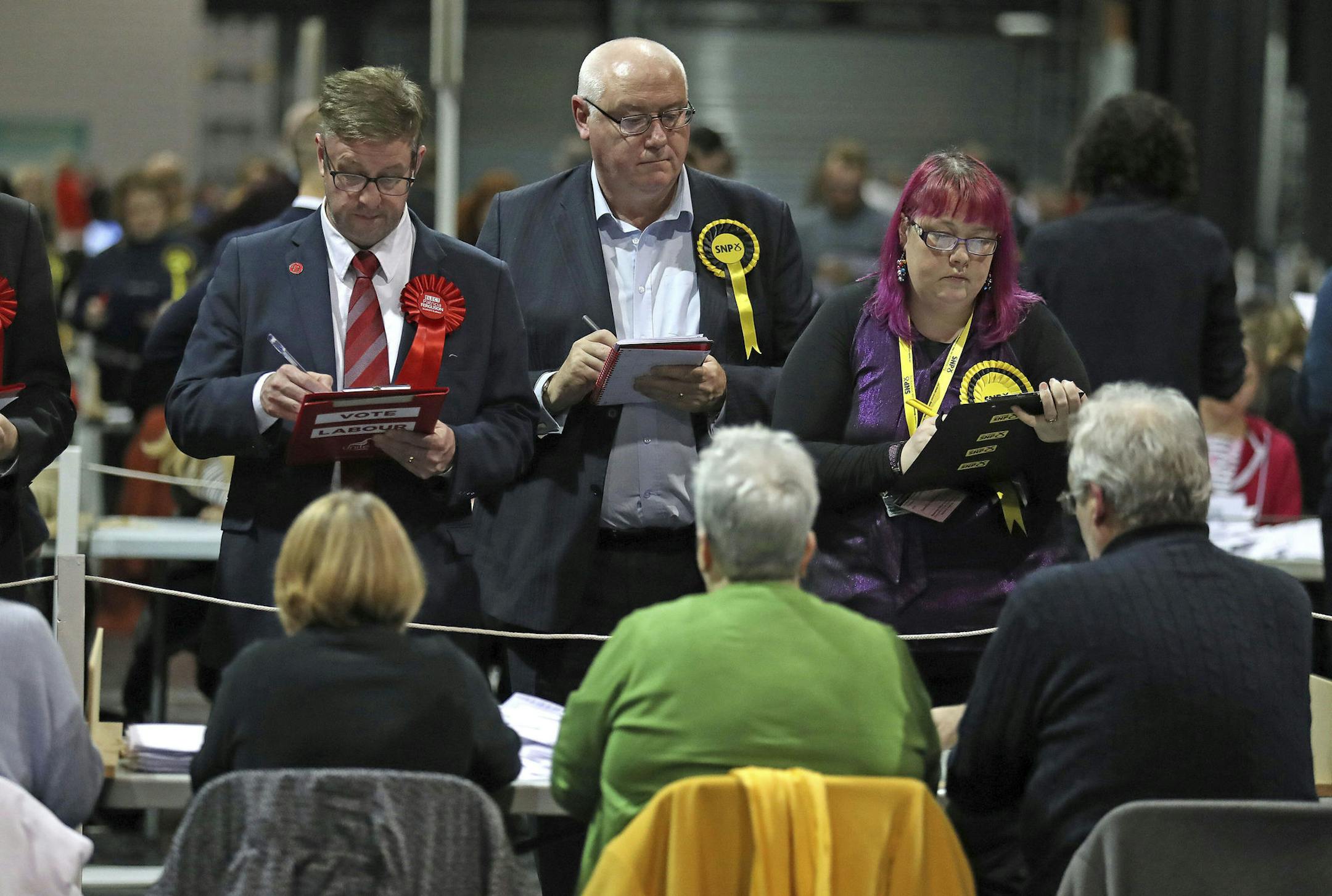
So does the increasingly sharp division between Scottish politics and the rest of the country. Labour, which used to regard Scotland as a fief, looks like it's being left with a single seat.
The Tories, whose Scottish fortunes revived in 2017, have lost many of those gains. Jo Swinson, the leader of the Liberal Democrats, lost her seat.
Put all this together, and unionist parties are now almost invisible in Scotland. Even though the SNP has run Scotland's devolved government for 12 years, it has — despite the boredom and disillusion that normally afflicts governments that are long in the tooth — put on another remarkable performance in a Westminster election.
But this election was a complicated one — even more so north than south of the border. Scotland voted by 62% to 38% to remain in the E.U., and the SNP told the electorate that voting for them was the best way to avoid Brexit. That seems to have succeeded in persuading plenty of voters to put aside their doubts about the SNP.