The scene that played out this week in Minneapolis illustrated a growing tension among those protesting federal immigration sweeps: Demonstrate at a distance or become more disruptive, even violent?
A federal agent on the night of Jan. 15 shot a man during a struggle to apprehend him, prompting residents to pour from their homes and protesters to flock to the North Side neighborhood.
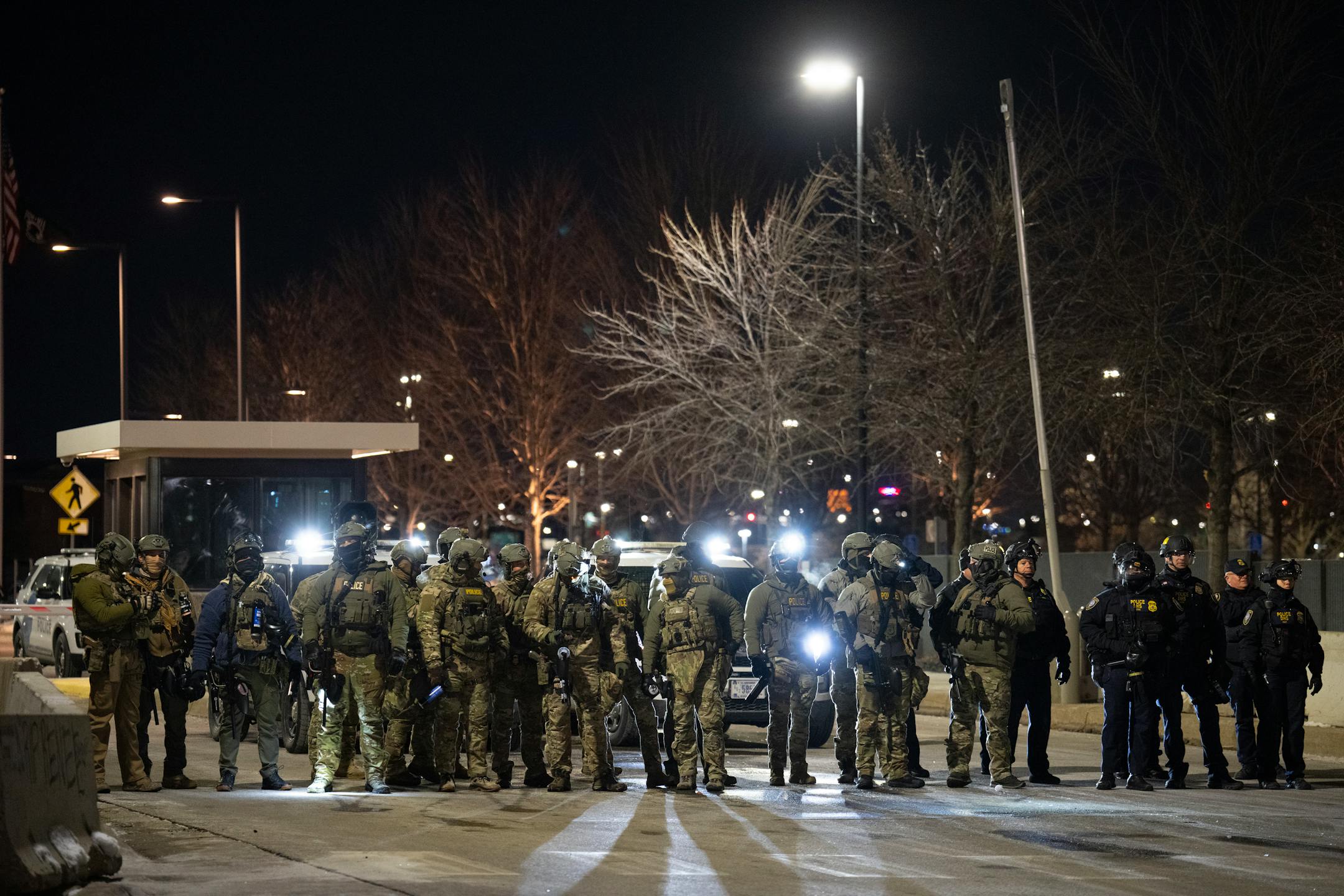
Some kept their distance, but other protesters thrust cellphones in the faces of agents and hurled profanities. Some launched fireworks and water bottles at federal, state and local police officers. Three vehicles used by federal agents were ransacked, with vandals taking documents, including agent ID badges, from them.
Authorities fired projectiles and chemicals into the crowd. Soon, thunderheads of noxious green gas billowed through the neighborhoods, and Police Chief Brian O’Hara declared the gathering “unlawful” while Mayor Jacob Frey called such actions “not helpful.”
Frey, who has urged peaceful protest, said at an evening news conference, “We cannot counter Donald Trump’s chaos with our own brand of chaos.”
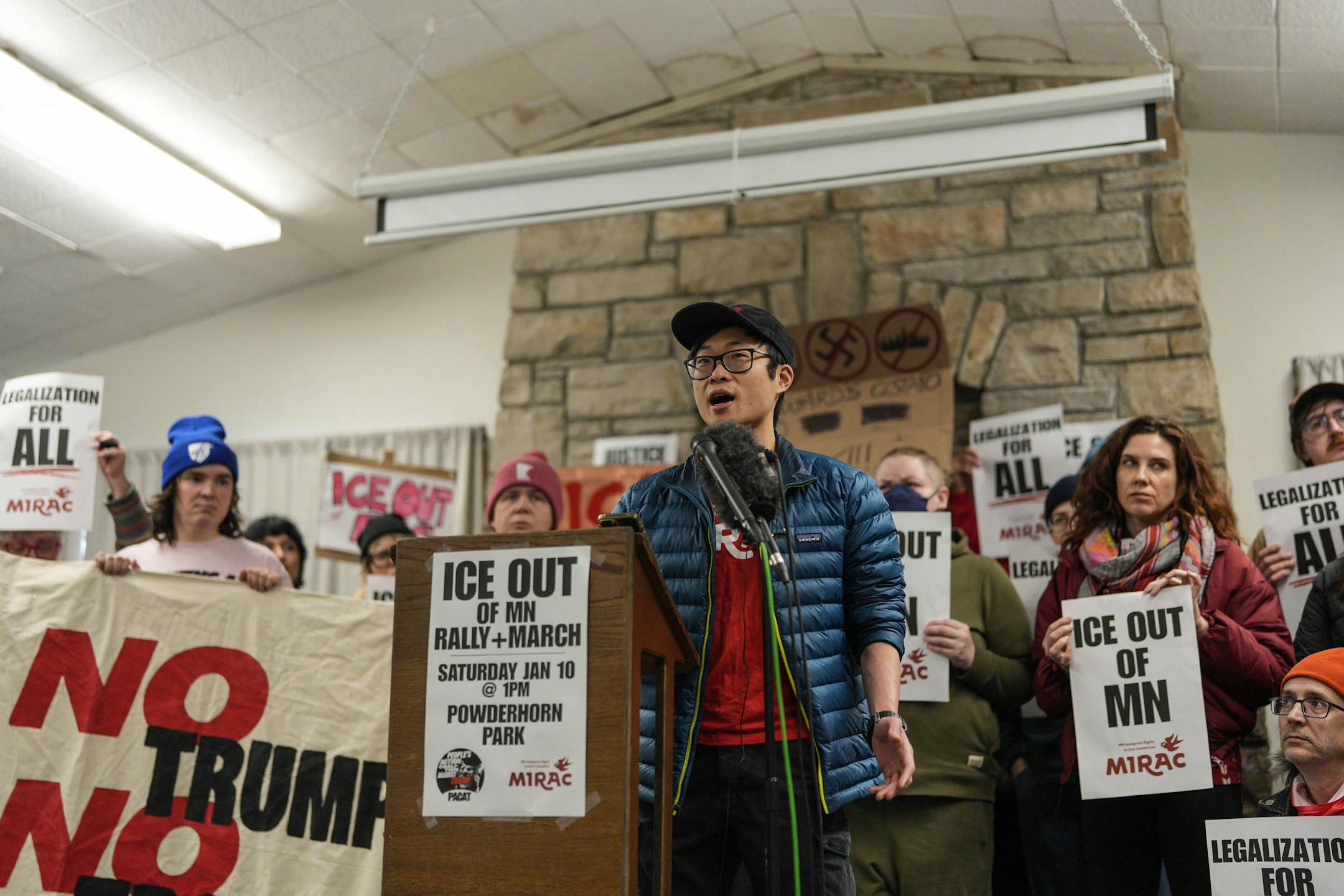
A leading anti-ICE group, the Minnesota Immigrant Rights Action Committee (MIRAC), rejected that plea. “There is violence and there is resistance to violence,” a statement read. “They must not be equated.”
The next morning, President Donald Trump threatened to invoke the Insurrection Act, raising the specter of military involvement.
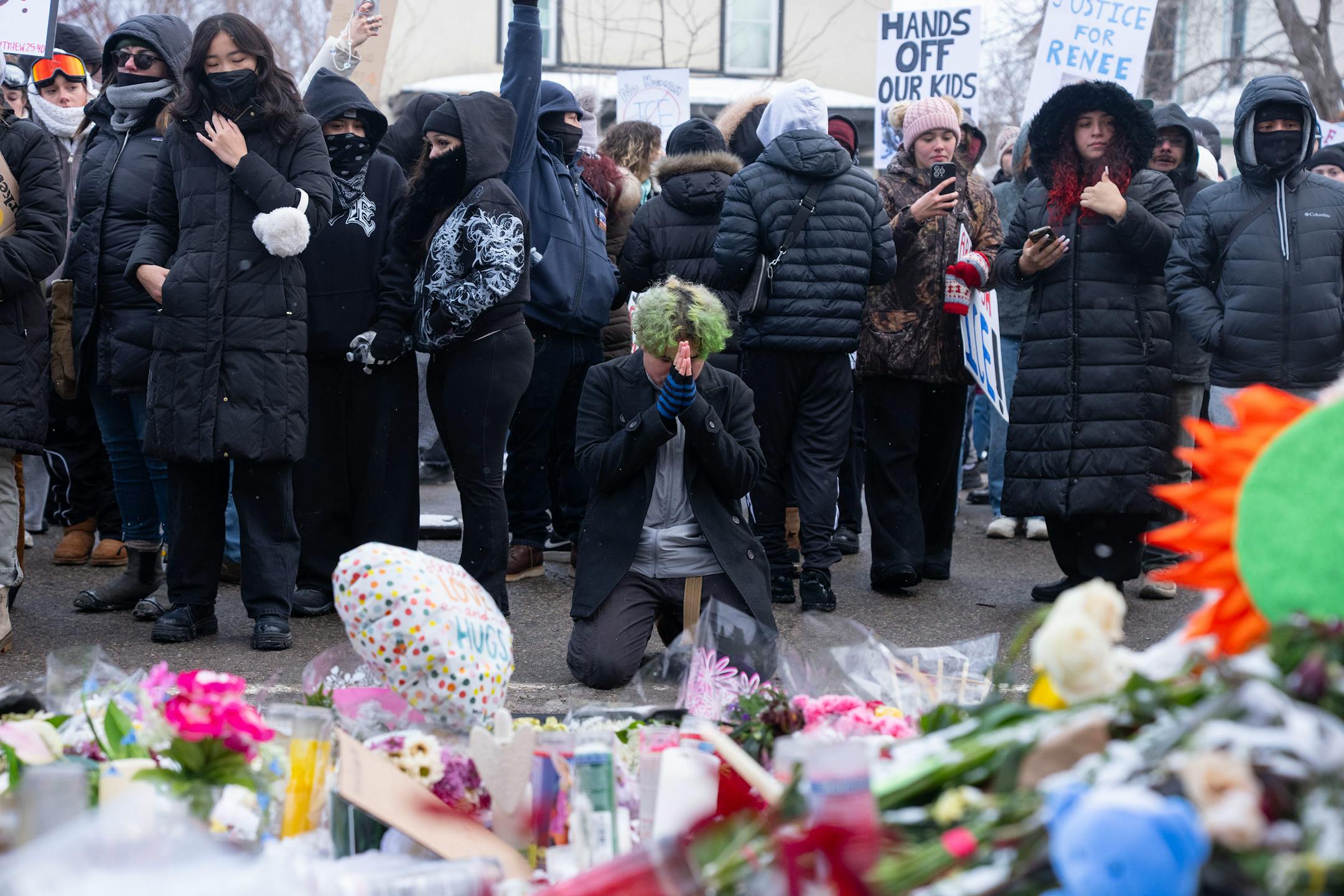
The interactions between protesters and ICE agents have become increasingly charged in the week after an ICE agent shot and killed Renee Good. Yet even before the second shooting, the divergent views within the protest movement — about how and how aggressively to combat the federal government’s presence — have been on display in group chats and street protests, as well as at training events designed to welcome a new wave of volunteers inspired by Good’s death.