

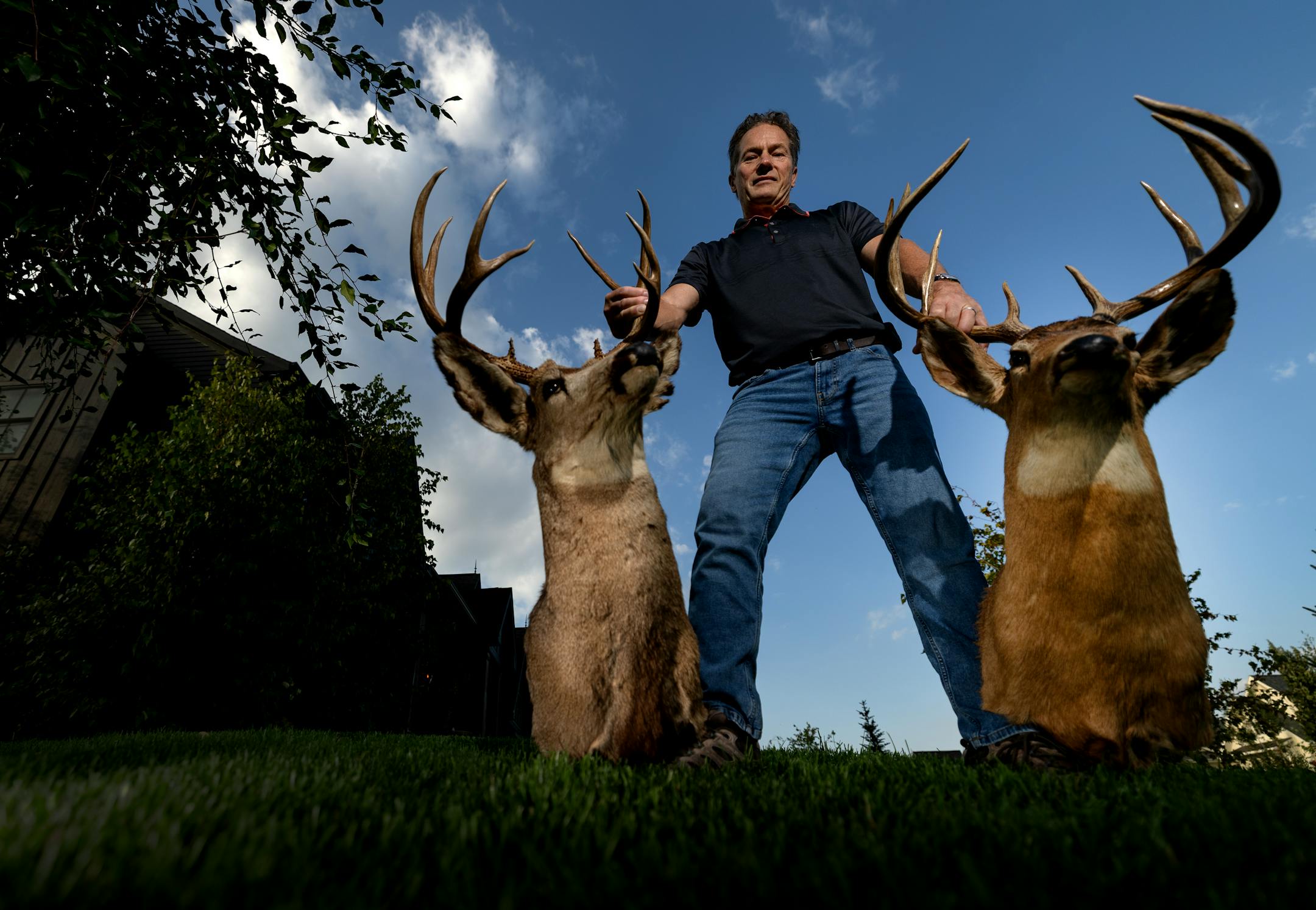
Tom Dvorak can’t bear to throw away his late father’s prized possessions: the mounted heads of a white-tailed deer taken in Illinois and a mule deer bagged in the wilds of Wyoming. Dvorak remembers how his father would talk about hunting the two bucks.
“You can’t keep them all, but it’s difficult to let go of heads like this,” he said. “I know to my dad they meant a lot.”
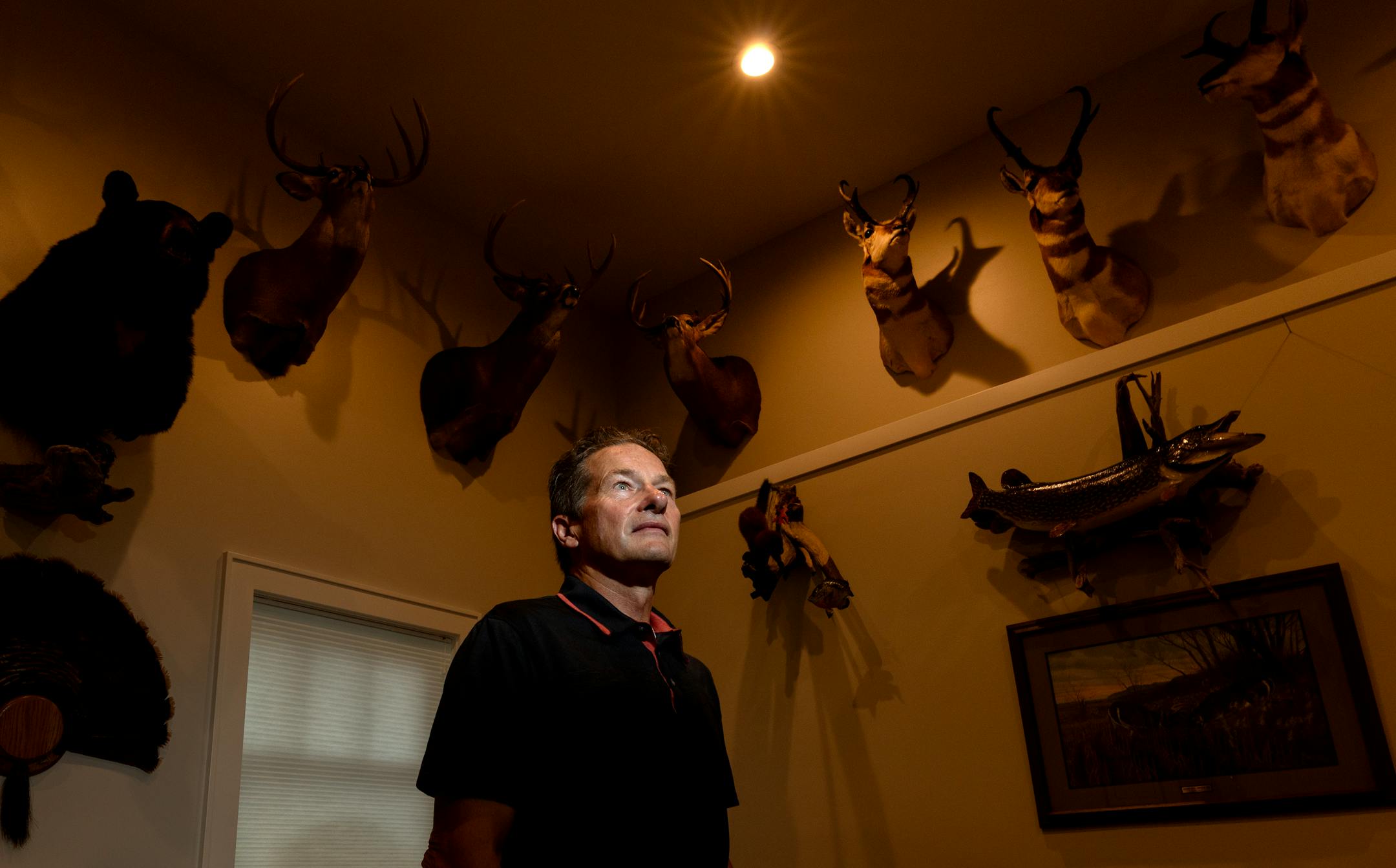
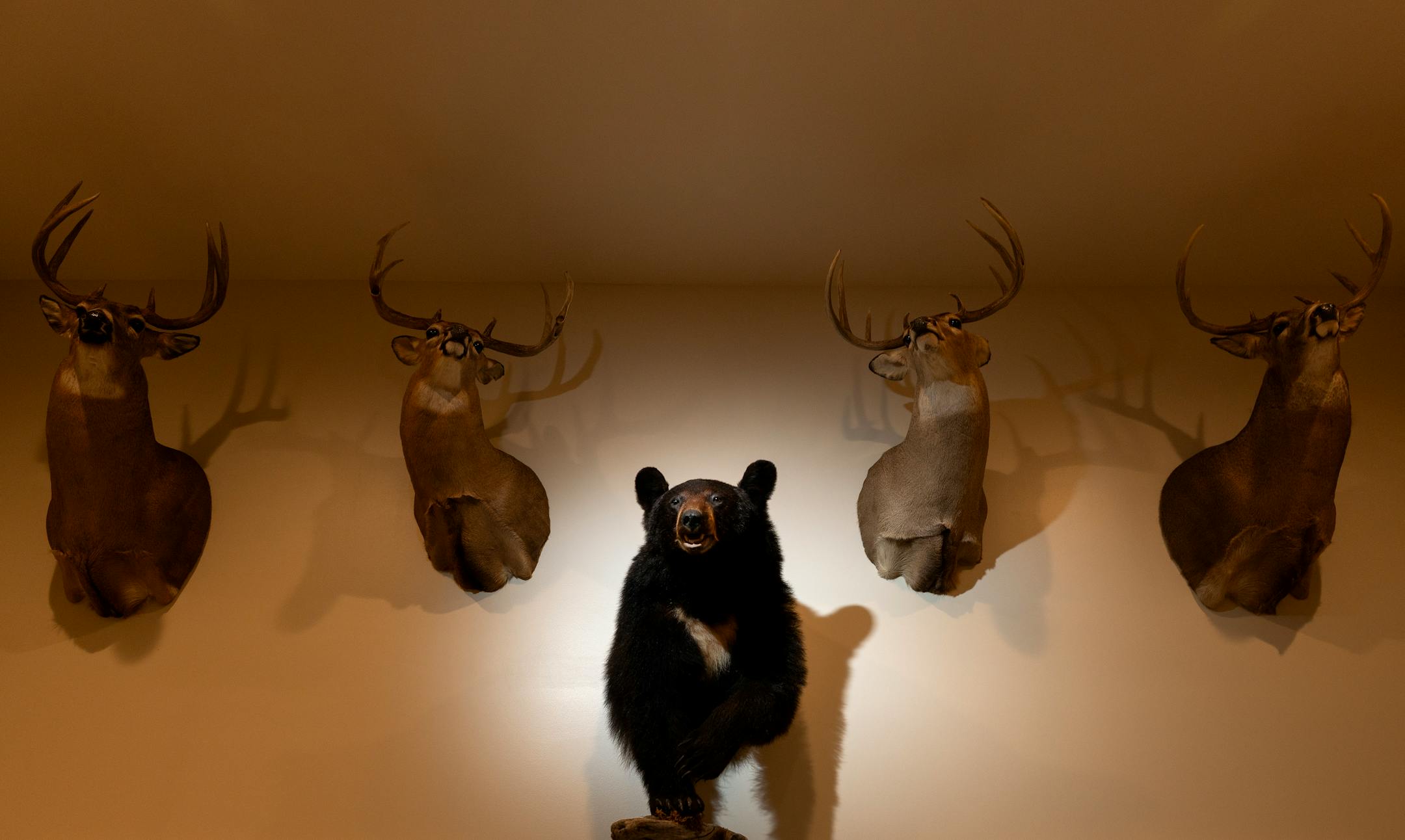
But Dvorak doesn’t have room for them in his Mendota Heights home, because he’s collected plenty of trophies himself. Those include a northern pike, bear mount and half dozen buck heads.
He’s been trying to sell the two mounts, fur fraying around the ears, for months for about $500. Though he’d also be happy to give them away.
“I’d rather have someone enjoy them than having them in a closet somewhere,” Dvorak said. “Unfortunately, there’s so many mounts, I think you’ll find a lot of taxidermy ends up in the dumpster.”
Selling stuffed wildlife isn’t as simple as listing an old toaster or a gaming console. Restrictions on the sale of wildlife mean some secondhand sellers won’t allow it. Facebook Marketplace, which is ranked by Statista as the second most popular site for used goods in the United States after eBay, bans all taxidermy from its platform.
Plus there’s a surplus of some animals, like white-tailed deer, on the secondhand market.
Many people end up trying to sell their family’s old buck heads on the secondhand market, said Aaron Reiling, Minnesota Taxidermy Guild president, which has over 100 members.


![Attendees of Frostbike made their way through the convention Saturday at the Quality Bike Products campus in Minneapolis. ] (AARON LAVINSKY/STAR TRIBUNE) aaron.lavinsky@startribune.com Frostbike 2016 was held at the Quality Bike Products Campus on Saturday, Feb. 27, 2016 in Bloomington, Minn.](https://arc.stimg.co/startribunemedia/NH2BSHB74ND2V6GF2G2HI5X4MM.jpg?&w=252&ar=3:2&fit=crop)