

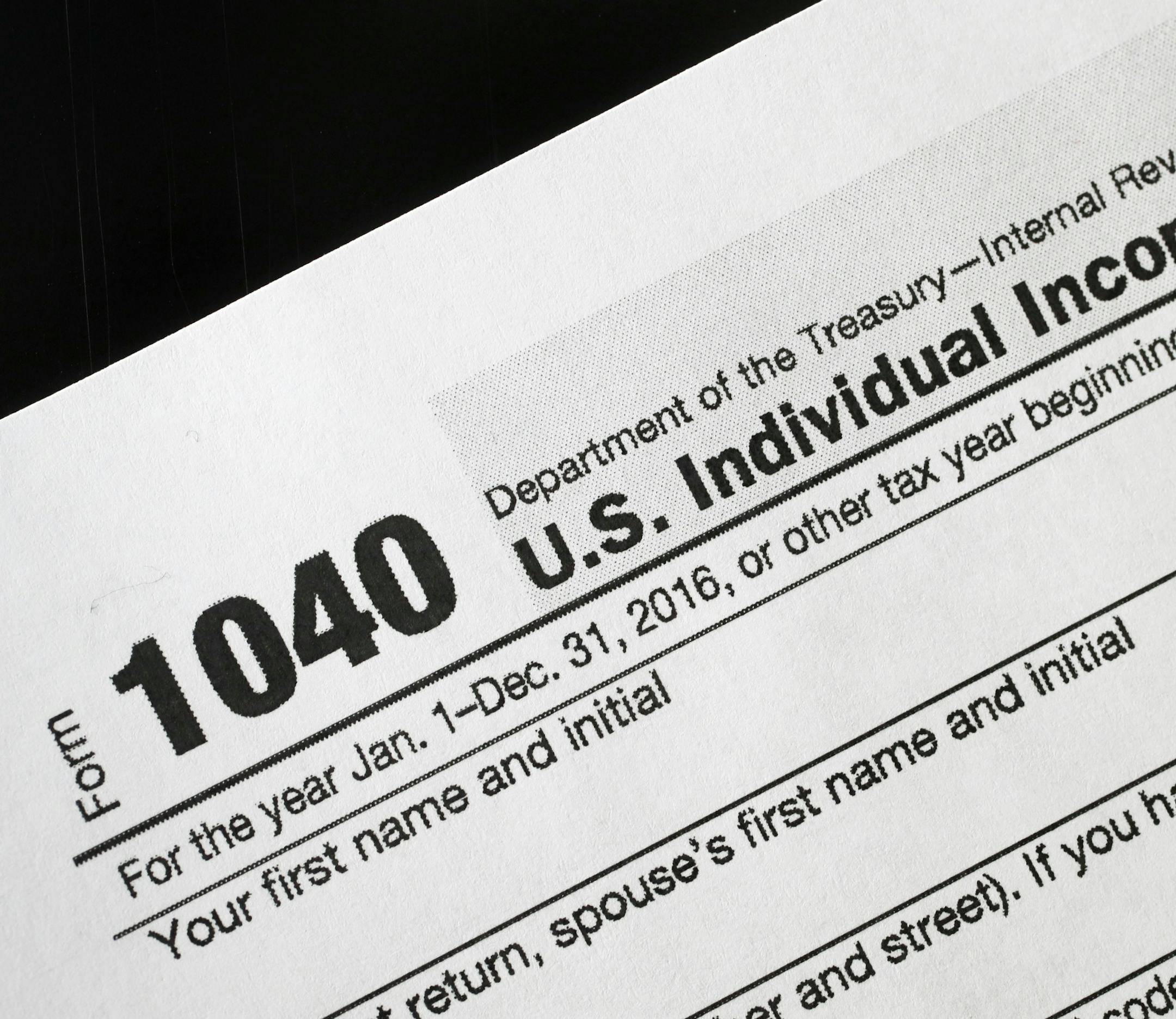
People who don't have much money during the rest of the year can become big targets during tax refund season.
For those living paycheck to paycheck, tax refunds — which average around $3,000 — may be the largest chunk of unobligated cash they see all year.
Retailers hope to get some of that money, but so do debt collectors, buy-here-pay-here car lots and purveyors of interest-free loans that come with fat fees. People flush with cash need to proceed with caution.
Paying old debts
Collectors step up calls and mailings during tax season because they know more people "will have some extra cash to address past problems," said Michael Bovee, president of debt settlement company Consumer Recovery Network in Spokane, Wash.
But people who are ready to settle old debts also can turn the situation to their advantage, Bovee notes.
"Use tax time as leverage [by telling] a debt collector the offer you are making is as good as it gets, and it could be another year before you have anything extra in your budget," he says.
Many old debts have been sold to collectors for pennies on the dollar, which people may be able to settle for 20 to 50 percent of the original amount, Bovee said. That's the good news. The bad is that paying old debts typically won't help the credit scores most lenders use and could cause other collectors to come out of the woodwork.
"Settling often means updates to your credit reports, and that can bring other debts to the surface that had gone quiet," Bovee says.



