

Opinion editor’s note: Star Tribune Opinion publishes a mix of national and local commentaries online and in print each day. To contribute, click here.
•••
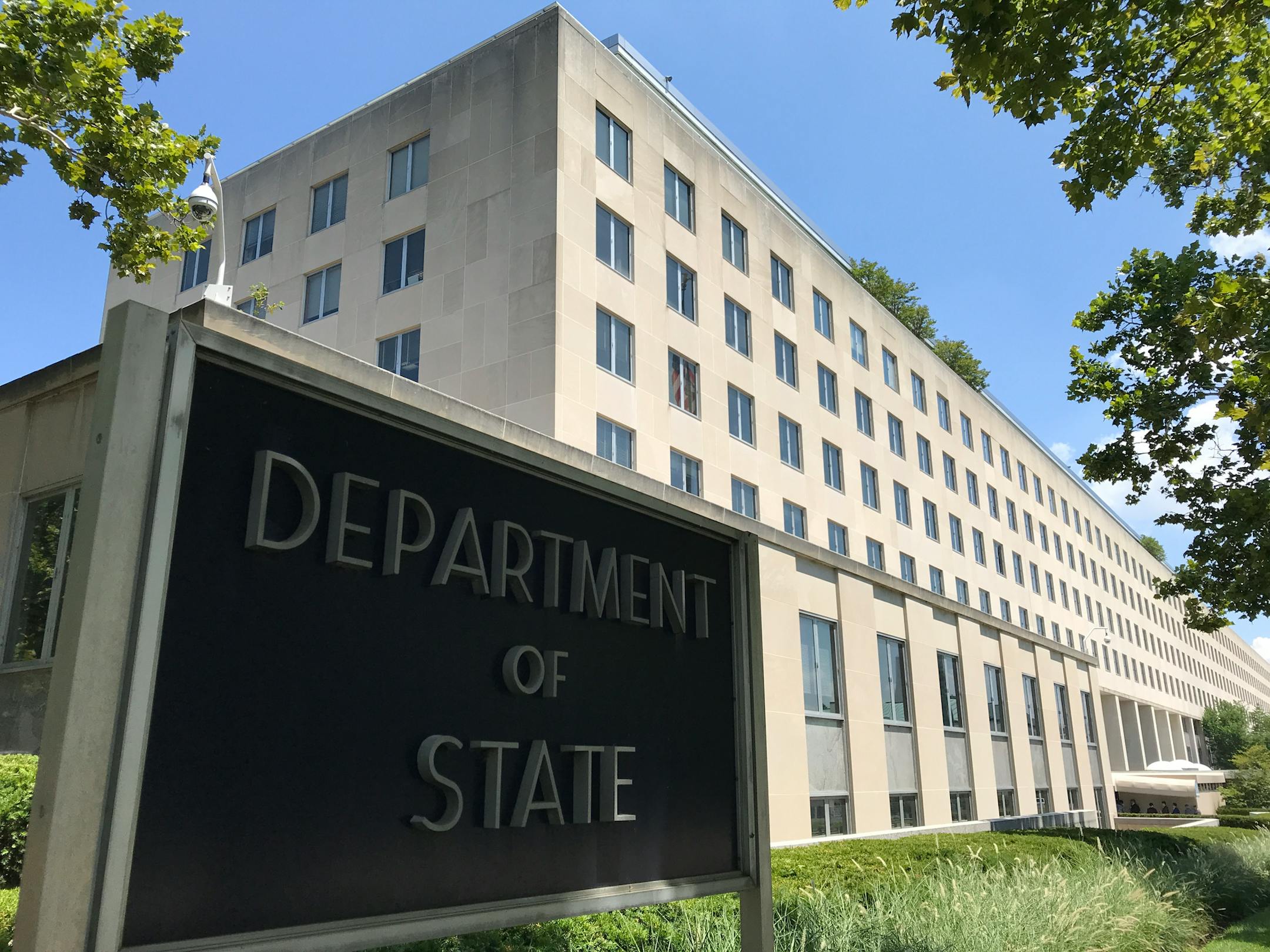
Two Americans were asking for a meeting with me. They had traveled from Alabama to Washington to lobby for more assistance to Lebanon, the country from which their fathers had fled to begin lives in the United States. I was the desk officer for Lebanon at the State Department. It was a fraught time with American hostages still being held.
The 1992 election had just happened, and Bill Clinton was the new president. I welcomed them into my tiny office and offered Arabic coffee that I brewed myself.
They told me about how their families had to reconfigure in America since Lebanon’s destructive civil war had forced their fathers to flee. They said they were born in America — and had U.S. passports — but still felt an obligation to try to assist their extended families back home in Tripoli and Beirut. I asked what they wanted from the U.S. government.
“We want Lebanon to be a higher priority,” Mustapha said.
“It seems like Israel gets all the focus. The Middle East has so many countries that struggle under anti-democratic regimes. We think the U.S. can do so much more,” explained Abderrahim.
I explained that my whole focus was the bilateral relationship between the U.S. and Lebanon. I told them that I often worked long hours, even on weekends, when some new crisis developed.


