

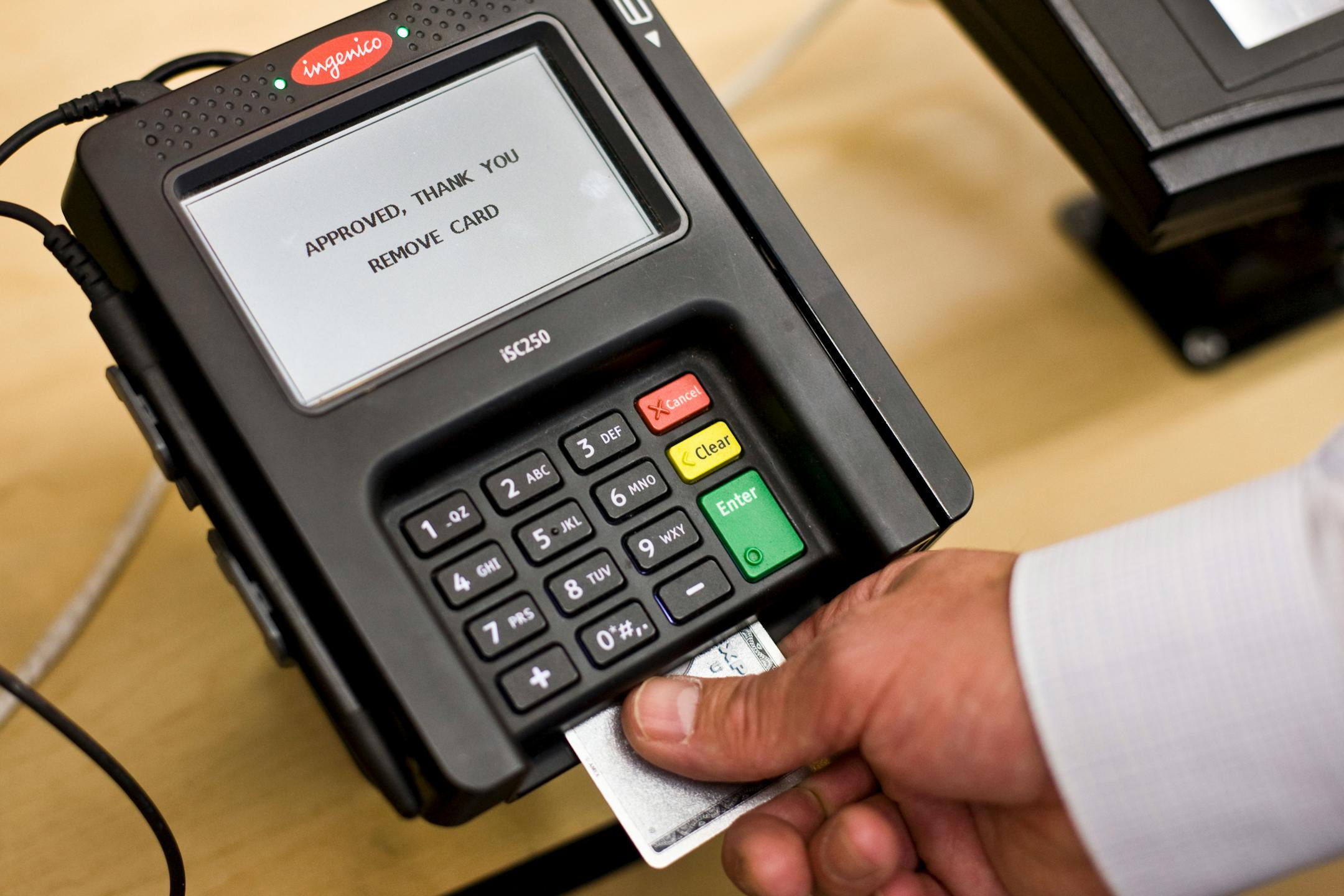
Defective merchandise. Shoddy plumbing work. A car repair shop that didn't fix the problem. Undisclosed and unfair fees. Shipments that never arrived. Even careful consumers sometimes run into problems.
Consumers' Checkbook often advises using a credit card when buying products and services, when possible. That's because using plastic is more than just a convenient way to pay; it also provides incredibly strong protections against most lousy-service scenarios and companies that sell faulty goods.
The genesis of these protections is the federal Fair Credit Billing Act, which protects you from fraud by requiring credit card companies—not consumers — to deal with fraudulent charges. The law also provides important protections against billing errors.
What many consumers don't know is that the law also requires credit card companies to give their customers the opportunity to dispute charges — and withhold payments — for goods and services that weren't delivered as promised.
When you request a "chargeback," the seller can protest. It may claim you made no effort to resolve the matter, refused to return goods that you say are unsatisfactory, or that the goods are exactly what you ordered.
In Checkbook's experience — feedback from surveys of consumers and staff who have requested chargebacks — credit card companies are far more likely to side with consumers than businesses during these disputes.
Because credit card issuers want to keep their customers happy, the protections they provide are, in practice, even broader than your rights under the law. For example, while the law states that you have to contest a charge within 60 days of receiving a bill, most banks that work with Visa and MasterCard give their customers 120 days to contest it, and on a case-by-case basis usually allow even more time.
And while debit card purchases aren't covered under the Fair Credit Billing Act, when you pay with one that processes your payment through the Visa or MasterCard payment system that purchase is governed by Visa's and MasterCard's consumer-friendly rules. If when paying with a debit card you are asked to choose "debit" or "credit" at checkout, picking "credit" pushes the transaction through the Visa or MasterCard system. But choosing "credit" doesn't turn your debit card into a credit card; the money to pay for the transaction still comes right out of your bank account and won't be returned unless the bank rules in your favor.



