
Taylor Schlitz: Would you go on a date for free food? Gen Z just might.

While opinions vary on the ethics of it, the issue shows how the rising costs of adulthood have seeped into how young people navigate love and relationships.

Columnist Icon
The Minnesota Star Tribune
November 9, 2025 at 10:59AM
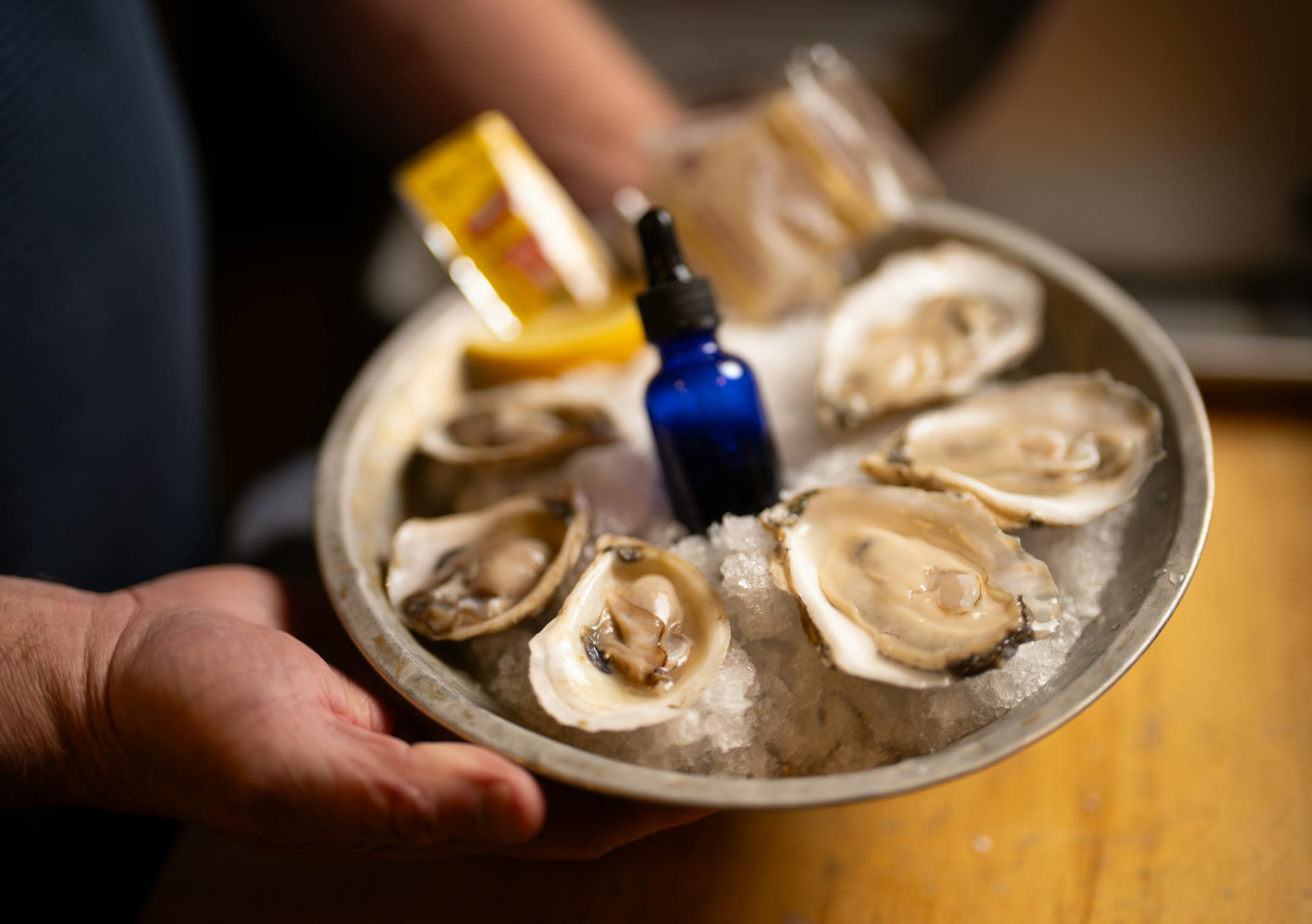
"For a generation that has grown up with rapidly rising prices and shrinking stability amid a challenging job market, the 'foodie call' — the term for going on a date for free food — has become both a joke and a coping mechanism," Haley Taylor Schlitz writes. (Jeff Wheeler/The Minnesota Star Tribune)

Opinion editor’s note: Strib Voices publishes a mix of material from 8 contributing columnists, along with other commentary online and in print each day. To contribute, click here.

•••

When I saw the release of a recent study about money and dating, one statistic in particular stood out to me: 31% of Gen Z singles admitted they have gone on a date mostly for the free meal.

The survey commissioned by Intuit shows how financial stress has quietly become the third wheel in modern relationships. It made me think of a TikTok I had seen not long ago where a young man sits at a brunch table sprinkling salt over his eggs and eating with pure focus. The caption reads, “Me on our first date, enjoying my free meal, not listening to a thing you say.” More than 300,000 people liked it.

It is funny, but it is also revealing. We laugh because we recognize the absurdity, and then we keep laughing because it feels true. In 2025, a first date is as much about cost as chemistry. For a generation that has grown up with rapidly rising prices and shrinking stability amid a challenging job market, the “foodie call” — the term for going on a date for free food — has become both a joke and a coping mechanism.

According to the Cuffing Economy report, 58% of Gen Z say they are going on fewer dates because of cost, and more than half are adjusting their dating habits to make them more affordable. This is also generally true for Gen Xers and millennials, but the survey suggests that Gen Z is feeling it the most.

Behind these numbers is a larger truth about how we are learning to navigate adulthood. What used to be small acts of connection now come with calculation. Rent, debt and the price of groceries follow us into every conversation, even into moments that are supposed to feel spontaneous and light.

Online, the conversation is just as divided as the check. A 19-year-old TikToker, @not2daii, says she refuses to accept dates for free food, arguing that independence and self-love matter more. Another creator, @realkpreme, shares the frustration that many men feel when they invest time and money in dates that lead nowhere. In another video, @222ashlea222 offers a more balanced view, admitting that some women do go out for free meals but reminding viewers that most are just trying to connect while surviving the same economy.

These voices, layered with humor and honesty, show how the line between survival and sincerity has blurred. Everyone is trying to find small moments of joy without feeling like they are being taken advantage of.

What makes this conversation so poignant is that it reveals how intimacy itself is being shaped by an economy that never seems to rest. Love and connection used to feel like the parts of life that money could not touch, yet for Gen Z, even affection feels subject to inflation.

The cost of living has become the cost of feeling. Every date, every outing, every gesture of interest is filtered through the question, “Can I afford this?” That question does not only reflect our wallets; it reflects our collective exhaustion.

Technology adds another layer. Ours is the generation that learned to swipe left and right to find connection, but also the generation that knows how easily those digital gestures can feel empty. Algorithms offer the illusion of endless possibility, yet somehow the pool of authentic connection feels smaller.

The same apps that promise love can also magnify loneliness. It is why videos like these, where strangers share their honest reflections about dating, resonate so deeply. They meet us in our quiet, private thoughts, when we ask ourselves if all of this effort to connect is still worth it.

Perhaps that is the real pivot for Gen Z. We are learning to redefine what intimacy means in a world that feels transactional. We are more honest about our fears and more open about our finances, yet we are still searching for something lasting. The question is not whether we want love, but whether we can sustain it in a culture where everything has become a calculation.

A couple of years ago, social media was debating whether Cheesecake Factory was an acceptable first-date restaurant. Now, many would simply be grateful to afford a meal there and a piece of cheesecake for dessert. The conversation has moved from where we should eat to whether we can afford to go out at all.

It seems to me the foodie call is not really about dinner. It is about what it costs to be seen, to feel wanted, to participate in something as ordinary as human connection without worrying about the price.

Gen Z has grown up in a world where financial transparency is the expectation. We talk openly about budgets, salaries and debt because pretending not to struggle feels dishonest. That same transparency is changing the language of love. Maybe honesty about money is not unromantic at all. Maybe it is the new foundation for connection.

And maybe what the foodie call really reveals is not cynicism, but adaptation. It is a portrait of a generation trying to sustain something deeply human in an economy that measures worth in dollars. And perhaps that is what makes the humor in that first TikTok clip I mentioned linger long after the laughter fades.

Because behind every joke is the quiet truth that even dinner now carries the weight of survival.

I want to keep this conversation going. Comment below or join me on TikTok and Instagram at @HaleyTaylorSchlitz and share your thoughts about what the foodie call says about love, money and connection.

about the writer

about the writer

Haley Taylor Schlitz

Contributing Columnist

Haley Taylor Schlitz is a contributing columnist for the Minnesota Star Tribune focusing on Gen Z issues and perspectives. She is an attorney and writer based in St. Paul.

See Moreicon