

It might have escaped your notice that a heckler interrupted oral arguments recently at the Supreme Court. He wasn't the first protester to sneak inside, and he won't be the last. The main reason anybody paid attention — and not many did — was that his rant was deleted before the court's official audio recording of the argument was released to the public. A handful of bloggers briefly debated the sleepy issue of whether the justices were engaged in censorship before returning to their regular clashes over the great issues of the day.
I am not going to supply any details about the protester's cause: A surfeit of attention will only breed more silly stunts. But I do want to take a moment to explain why heckling, for all that it is rude and childish, is often valuable to a democracy — and how, properly understood, heckling could even improve the quality of our discourse.
Let me emphasize: properly understood.
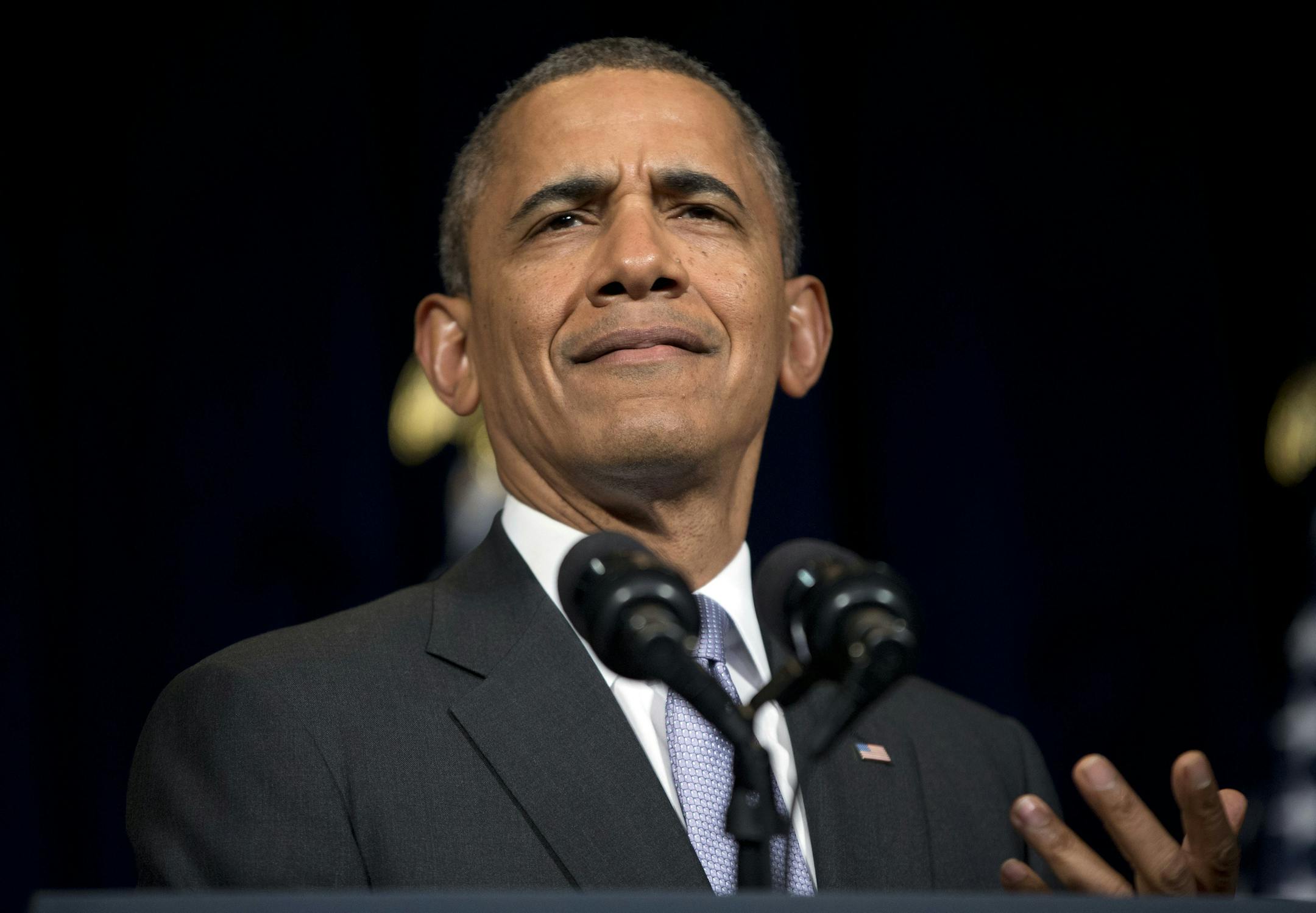
We tend to think of heckling as a loud, angry interruption: a Republican member of the House shouting "You lie!" during one of President Barack Obama's speeches to Congress, or Democrats orchestrating the chorus of boos that greeted President George W. Bush's State of the Union address in 2004. I do my fair share of public speaking, and I have received my fair share of angry interruptions. It's never pleasant.
But it also isn't heckling. It's ordinary rudeness. To elevate it into some precious democratic value merely excuses what is essentially an act of adolescent egoism. (Years ago, when the audience at a talk I was delivering tried to shush a young man who had grabbed the floor, he turned to the group and shouted in fury, "He had his chance! It's my turn now!")
To understand what's good about heckling — and what heckling actually means — let's begin with a quotation attributed to the politician Tom L. Johnson: "Heckling is the most valuable form of political education."
But Johnson, a Democrat who sat in the House of Representatives in the late 1890s and was mayor of Cleveland in the first decade of the 20th century, meant by "heckling" something quite different from what we know it as today. Heckling, he explained in his autobiography "My Story," referred to the freedom of the audience to interrupt the speaker with thoughtful questions, which the speaker would then answer before returning to his argument. It was give-and-take, not shouting down, that Johnson so fervently supported.
Heckling in this traditional sense implies a kind of public interrogation. The Oxford English Dictionary puts it this way: "To catechize severely, with a view to discover the weak points of the person interrogated. Long applied in Scotland to the public questioning of parliamentary candidates." Similarly, organizations that follow traditional rules of order understand heckling to mean simply a statement by a speaker who is not entitled to the floor. This, for example, is the meaning of heckling in the British House of Commons.


