

Opinion editor's note: Star Tribune Opinion publishes a mix of national and local commentaries online and in print each day. To contribute, click here.
•••
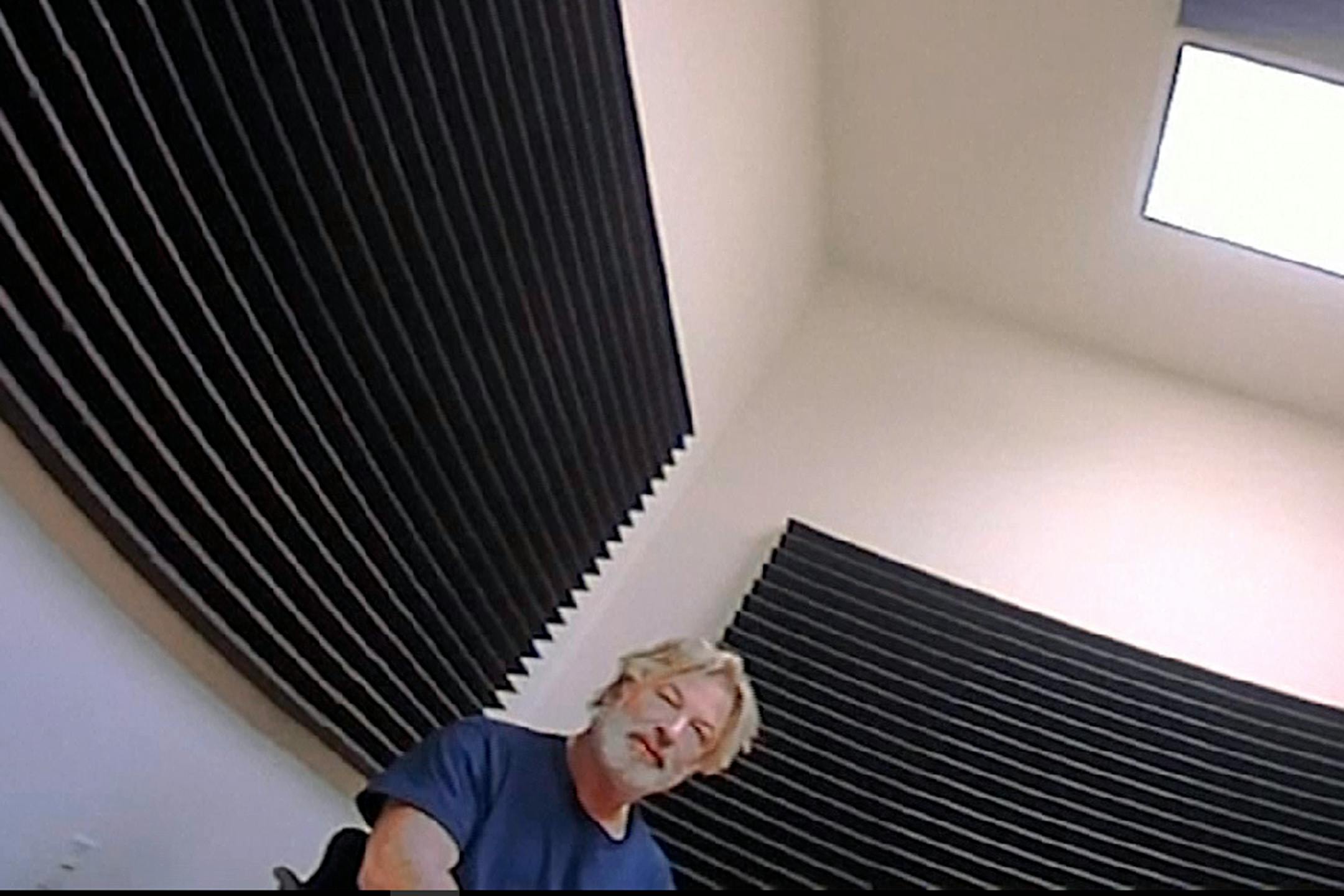
Shortly after a prop gun Alec Baldwin was holding fired a bullet that killed a cinematographer and wounded a director on the set of the movie "Rust," in October 2021, the actor told police in New Mexico that he would be willing to do whatever they requested, including sitting for an interview at the station.
Later that afternoon, detectives began by informing Baldwin of his rights: He had the right to remain silent. Anything he said could be used against him in court. He could stop the interrogation at any point ... etc.
"My only question is, am I being charged with something?" Baldwin asked.
Not at all, the police said. Reading his rights was "just a formality."
And so, without his attorney present, while the police recorded him, Baldwin talked. And talked. And talked. At that point, Baldwin knew only that the film's director, Joel Souza, and its cinematographer, Halyna Hutchins, had been injured; detectives would inform him at the end of the interrogation that Hutchins had died.
Still, for about an hour, Baldwin not only answered detectives' many questions about the shooting but also offered his own theories about the incident and suggested next steps for the investigation.


