

It was disappointing to see the Star Tribune use the clichéd "Big Ag" label to dismiss the conservation efforts of farmers in a Sunday editorial addressing Gov. Mark Dayton's proposed buffer-strip legislation ("Big Ag needs to step up for cleaner water.")
As the spotlight shines brighter on farming and water quality, we need to do all that we can to ensure that the discussion remains informative and constructive. Using meaningless and inflammatory labels such as "Big Ag" to paint farm organizations opposed to the one-size-fits-all legislation with a broad and inaccurate brush accomplishes the exact opposite.
What does "Big Ag" mean, anyway? Going by the Star Tribune's definition, "Big Ag" encompasses just about every farm family in the entire state — the very farm families, large and small, that belong to organizations labeled "Big Ag" in the editorial.
I'm a fifth-generation family farmer 20 miles west of Willmar. We raise corn, soybeans and alfalfa. My great-great-great grandfather started our family farm over 100 years ago. Today, I operate the farm along with my parents and brother. I'm also married and have two beautiful daughters.
Do I sound like I fit the definition of "Big Ag"?
I also serve on the board of the Minnesota Corn Growers Association (MCGA), an organization made up mostly of farm families similar to mine. Last week, under the grass-roots direction of the corn-farming families we represent, the MCGA came out in opposition to Dayton's one-size-fits-all buffer-strip legislation.
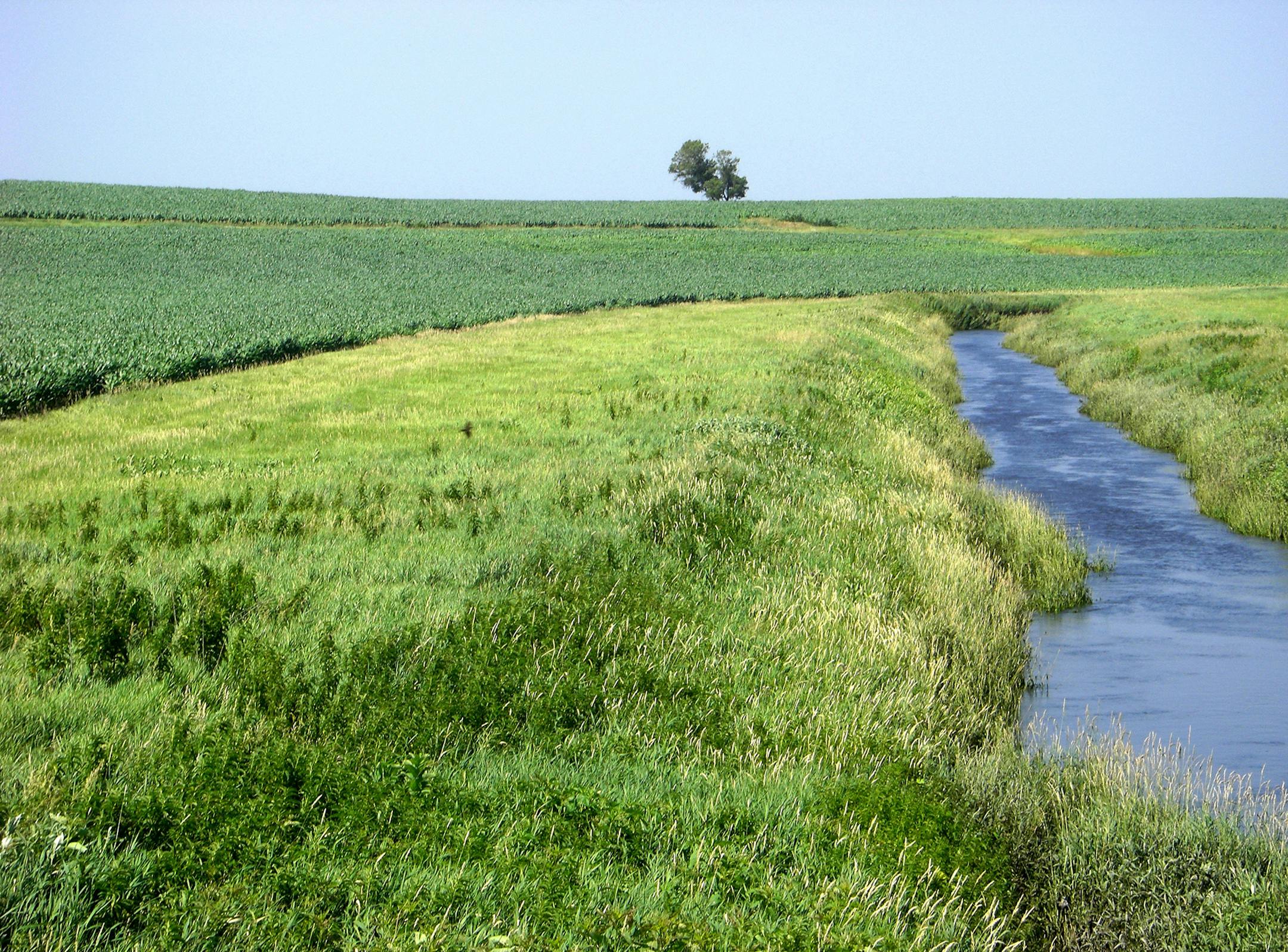
Buffers are one of several best management practices used by farmers to protect water quality. We use buffers on our farm and most other farm families do the same. The MCGA also invests millions of dollars annually in research projects through institutions like the University of Minnesota to address ag water quality concerns.
The MCGA and the farm families it represents didn't oppose the governor's legislation because farmers are unwilling to do their part to protect water quality. We opposed it because research shows that requiring a one-size-fits-all buffer solution will not result in optimal water quality improvements. It also will take away a significant amount of private property that farmers rely on to remain profitable and productive, especially in these times when corn prices have fallen by more than 50 percent and farm incomes are plummeting.


