

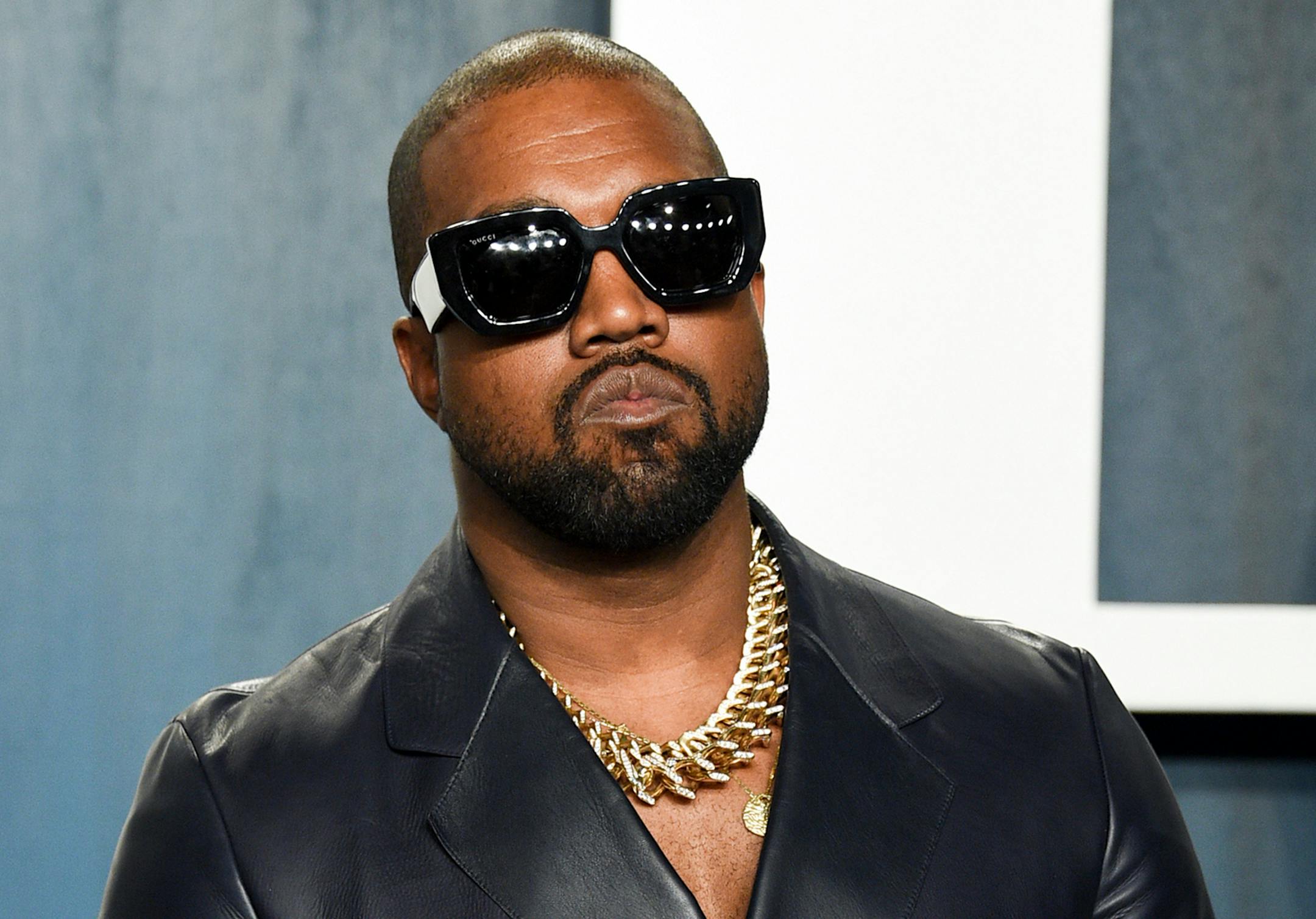
Dear Kanye West, or "Ye":
We've never met, and I hope we never will.
Still, I'd like to express a sort of gratitude. With a few outbursts in a few days — you threatened in a tweet this month to go "death con 3" on "JEWISH PEOPLE," and it's been downhill from there — you've probably done more to raise public awareness about antisemitism, its persistence, prevalence and nature, than any other recent event.
It's remarkable how long it took us to get here. For 2020, the FBI reports that Jews, who constitute about 2.4% of the total adult population in the United States, were on the receiving end of 54.9% of all religiously motivated hate crimes. On many nights in New York City, Hasidic or Orthodox Jews are being shoved, harangued and beaten.
So far, this has been one of the most underreported stories in the country — itself a telling indicator in an era that is otherwise hyper-attuned to prejudice and hate.
At times, the reporting has all but accused Jews of bringing violence on themselves, with lengthy stories about allegedly pushy Jewish neighbors or rapacious Jewish landlords. At other times — such as after the attack in January on a Texas synagogue by a British Muslim man who had traveled 4,800 miles to get there — reporters seem to have gone out of their way to find non-antisemitic motives for nakedly antisemitic attacks.
More often, attacks on Jews are treated as regrettable yet somehow understandable expressions of anger at Israel. In May 2021, Jewish diners at a sushi restaurant in Los Angeles were physically assaulted by a member of a group that, according to a witness, was chanting "Death to Jews" and "Free Palestine." A KABC report of the event was headlined, in part: "Mideast tensions lead to LA fight."
To suggest that "Mideast tensions" led to a "fight" is to obscure both the nature and motive of the assault. Imagine the absurdity of a headline that read: "High levels of crime in minority neighborhood lead police officer to kneel on man's neck for nine minutes."


