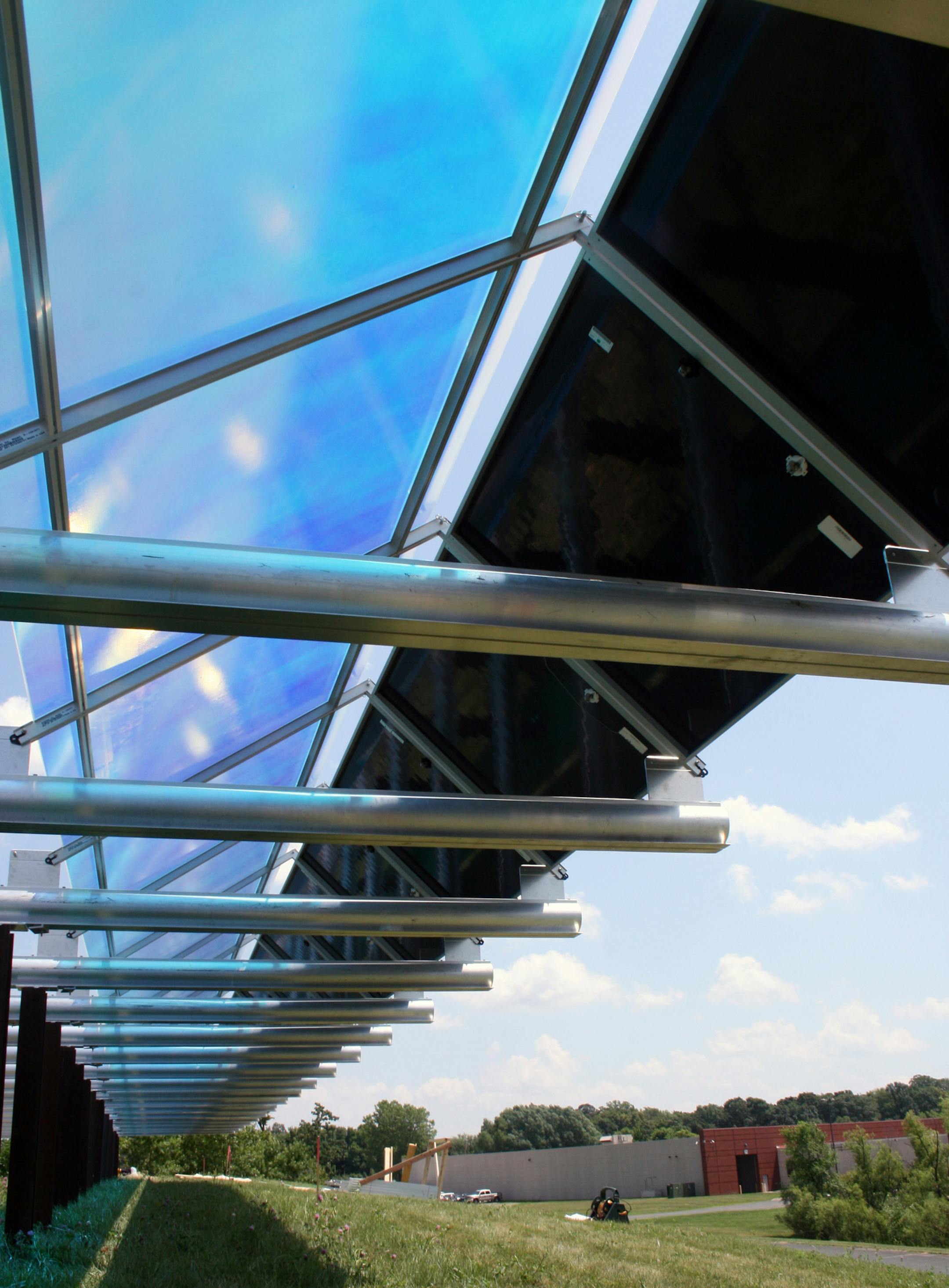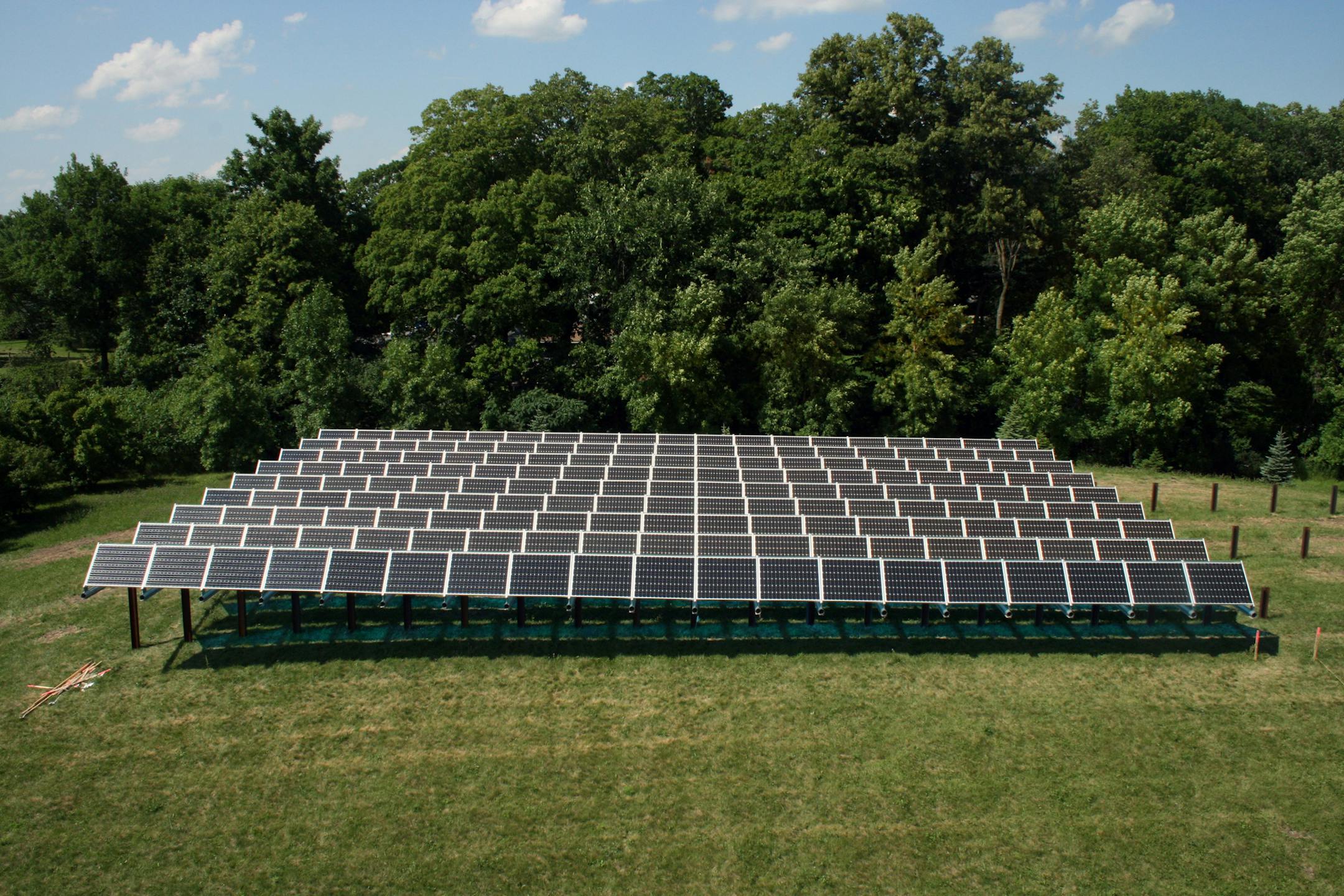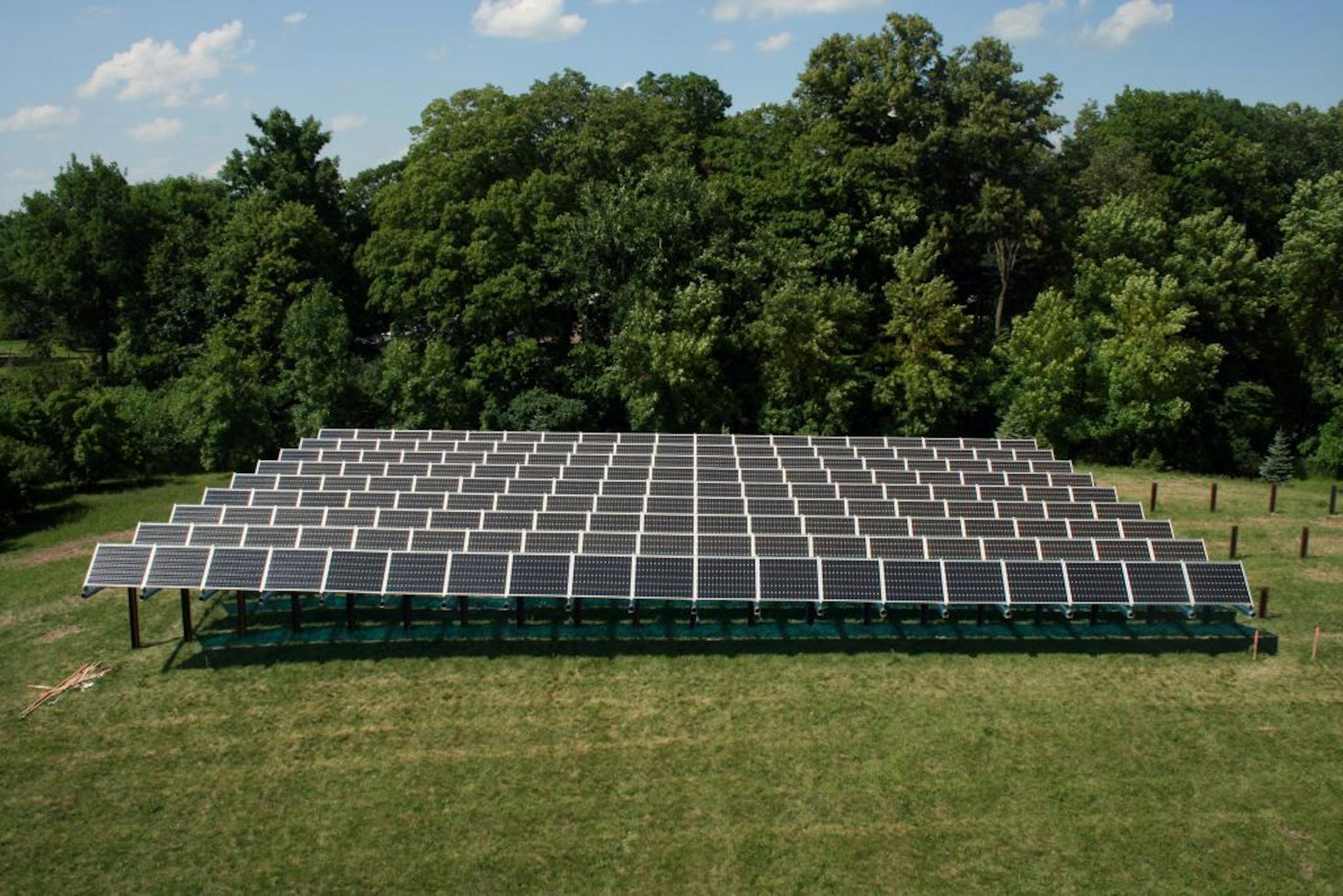
Xcel Energy said Monday that it intends to double the amount of solar power on its Minnesota system by giving customers the option of purchasing part of a central solar-generating array — a concept known as a solar garden.
The Minneapolis-based utility, which already offers this option in Colorado, filed plans with state regulators for a Minnesota solar garden program. Such projects, also known as community solar, are authorized under a 2013 state law mandating that large utilities get 1.5 percent of their power from the sun by 2020.
"This is going to provide broader opportunities for customers who want to participate in solar," Deb Sundin, who directs Xcel's renewable strategy, said in an interview.
She estimated that only 20 to 25 percent of customers' residences are suitable for solar. Many properties have too much shade, for example, and many customers are renters. "This program allows for the garden to be built in a really good place for solar," Sundin added
Xcel would first select energy developers to undertake the projects, then customers would sign up with a developer to purchase a share of an array, with the power output credited to their bills. Sundin estimated that applications will probably begin in the second quarter of 2014 after the state Public Utilities Commission approves the plan.
The first solar garden in Minnesota went online last month in Rockford, Minn. The 40-kilowatt system was developed by Colorado-based Clean Energy Collective for the Wright Hennepin Cooperative Electric Association, which says 25 customers signed up to buy a share.
But Xcel envisions considerably larger solar projects, up to 1 megawatt. For the large solar gardens, the utility proposes to credit bills at retail electric rates — 10 cents per kilowatt hour for residential solar customers and 6 cents per kilowatt hour for commercial solar customers.
Doubts about credits
Two solar energy developers said they don't think they could finance projects at those reimbursement levels, which are several cents lower than what some Colorado projects are getting from utilities, including Xcel.