

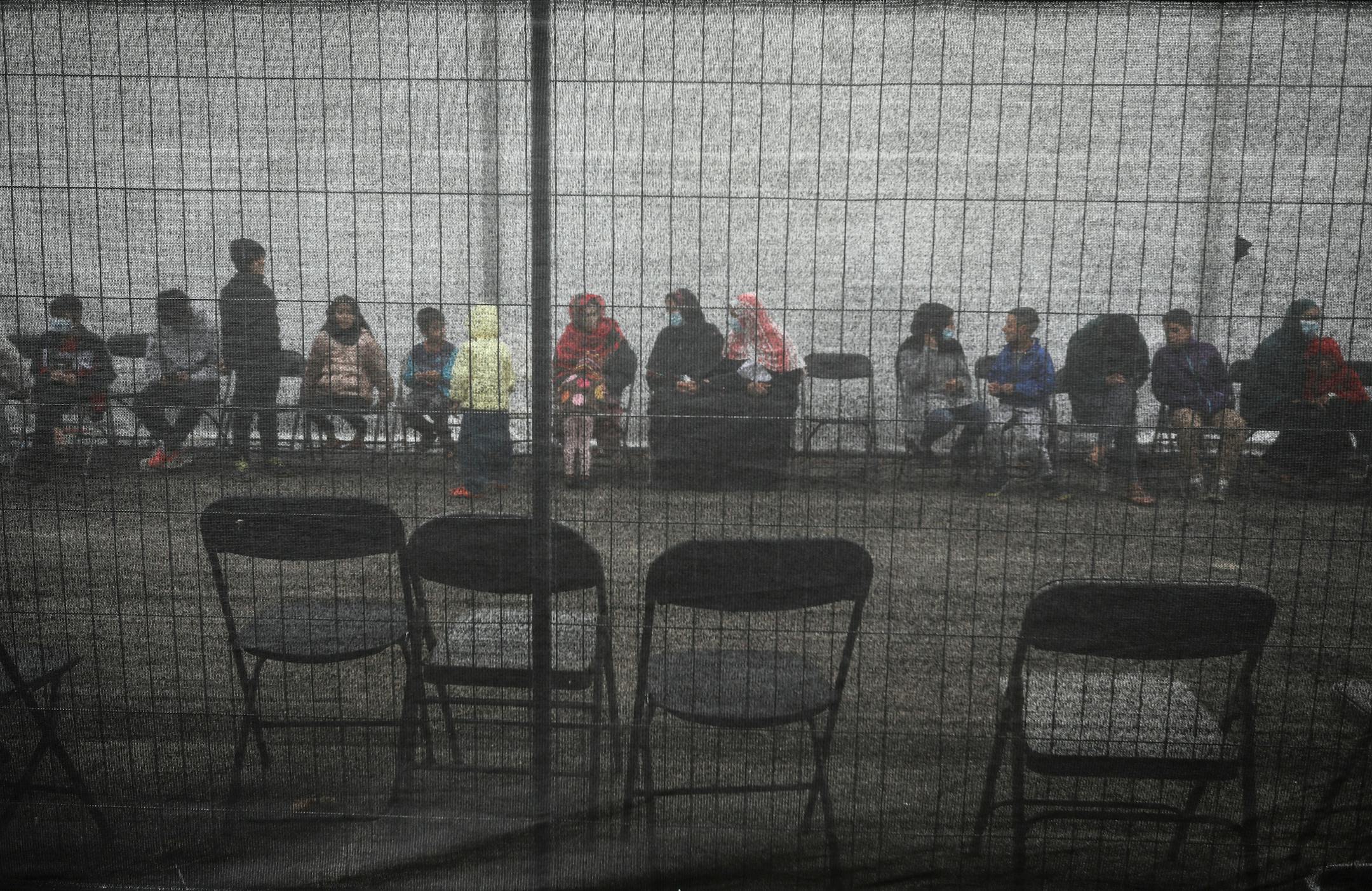
Afghans are known for their hospitality. I once spent the night in a tribal area near the Afghan border with Pakistan in a house that looked like a fortress made of sand. I'd been invited by a tribal leader who told me that welcoming strangers — and keeping them safe from harm — was part of his family's honor code. I've wondered ever since: Would Americans have welcomed him in the same way?
We're about to find out. About 74,000 Afghans are embarking upon a new life in the United States after being evacuated in a tumultuous withdrawal. More than 30,000 remain on U.S. military bases because the sheer number of Afghans in the resettlement pipeline is stretching America's refugee resettlement infrastructure thin. This is especially true after four lean years under President Donald Trump, whose administration settled fewer than 12,000 refugees of any nationality in the last fiscal year. The nine nonprofit agencies that resettle refugees under contracts with the U.S. government are struggling to keep up.
That's why the Biden administration has announced a new program for Afghans that allows groups of ordinary Americans — churches, veterans groups, and journalists like me — to privately sponsor resettlement in their own communities. Volunteers must pass a background check, undergo training and devise a plan to get sponsored refugees to self-sufficiency. They also must raise private donations to meet the initial cost of housing and feeding a family. U.S. officials say they have gotten an outpouring of positive responses from across the country, from soldiers who fought in Afghanistan who want to sponsor their former translators to Vietnamese people who were moved to return the welcome they received when they were evacuated decades ago.
"When you tap into the generosity of the American people, it is remarkable what you can achieve," said former Delaware Gov. Jack Markell, who has been appointed to lead the resettlement effort.
Earlier this month, the first two privately sponsored Afghan families arrived in Washington and Vermont. Those interested in helping this effort can learn about ways to get involved at the website Welcome.US, while information on the Afghan Sponsor Circle Program and how to apply can be found at the official site SponsorCircles.org.
Engaging ordinary citizens in resettlement efforts can yield great benefits. Refugees who are sponsored by individuals tend to develop deeper ties to their adopted home and receive more support. A study of Canada's private sponsorship program found that sponsored refugees got better jobs than those resettled by the government alone. Sponsorship by local people and institutions can also change public perceptions about refugees in their midst. In Italy, public frustration with migrants seemed to be boiling over until the Catholic Church backed a private effort to provide humanitarian visas to vulnerable families fleeing violence and disaster.
In the U.S., private sponsorship might help mitigate unhappiness over tax dollars being spent on newcomers who haven't paid into the system yet. Normally, the federal government pays $2,275 per refugee for a 90-day resettlement period, an amount that is split between the refugees and the resettlement agency to cover costs, including food, furniture and housing. Under the new program, private groups must raise that money on their own. The current program is aimed only at Afghan families, but the Biden administration plans to roll out a broader pilot program that accepts other nationalities next year.
Private sponsorship is not exactly new in the United States. In the wake of World War II, nearly all refugee resettlement was paid for by private associations and U.S.-based relatives of the displaced. The Refugee Act of 1980 created the government-centered refugee resettlement system that exists today. But private sponsorship was still present during the Reagan administration, which saw it as a way to increase the number of refugees without busting the budget. Refugees admitted under that program were not supposed to tap into government benefits, and sponsors were asked to repay the federal, state and local government if they did.


