

The world is worried about Syria. But the United States (or at least Washington) is more focused on Libya. Not about that country's lawless disintegration in the post-Gadhafi era, but about Benghazi, and the timeline of events before, during and after four Americans were slain there last Sept. 11.
What to some is modern media's version of a smoking gun — an e-mail trail — was released by the White House on Wednesday. As with all aspects of the Benghazi Rorschach test, it's being interpreted distinctly differently by defenders and critics of President Obama.
There likely will be more congressional hearings. But fewer Americans are paying attention, according to a new Pew poll, which reports that 44 percent of them are following the investigation "very or fairly closely," down from 61 percent last October.
Even so, Benghazi seems to be drowning out the debate over Syria — the topic of this month's Minnesota International Center (MIC) "Great Decisions" dialogue.
Some diplomatic progress, however, may be coming, according to Lloyd Axworthy, Canada's former foreign minister, who will headline an MIC event Tuesday (see accompanying commentary).
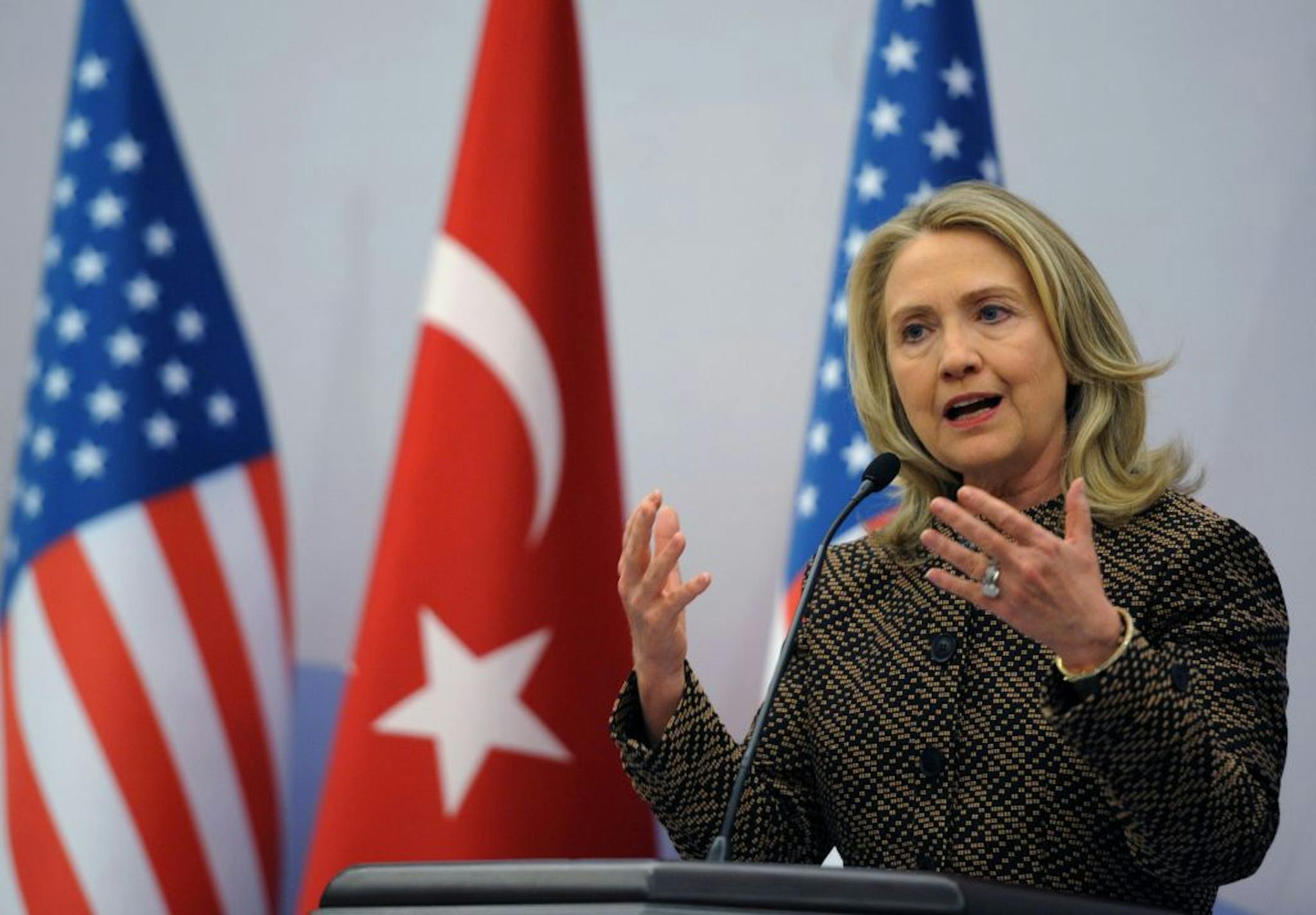
Secretary of State John Kerry is continuing his shuttle diplomacy with recent regional and Russian visits. But it's his predecessor, Hillary Clinton, who's the envoy enveloping the D.C. debate.
One reason may be because she was, and may be, a presidential prospect. "Having a political figure that has possible future aspirations for higher office would certainly create an incentive for some criticism," said James P. Seevers, interim director of Georgetown University's Institute for the Study of Diplomacy.
That's one disadvantage of selecting a secretary who's had Potomac fever. And yet, despite the heat goes with the territory, once they are in the territories needing direct diplomacy, being a prominent politician can be an advantage, according to J. Brian Atwood, former State Department diplomat and previous dean of the Humphrey School who recently returned as a professor.


