

As a young boy, I often waded along the shore of the creek behind my house in Bath, N.C. My grandfather built the house in the 1880s. For many years the creek served as a garbage dump for families living along it.
One time, as I kicked at the mud and debris, I discovered a piece of metal. I took it to the house, cleaned it and showed it to my father. He determined that I had discovered a World War I German belt buckle. The German words "Gott Mit Uns" on the nickel seal of the brass buckle translated "God With Us."
I have polished the buckle and taken it with me wherever I have lived for almost 60 years. I've always wondered who discarded this personal relic of history into the creek like a piece of garbage.
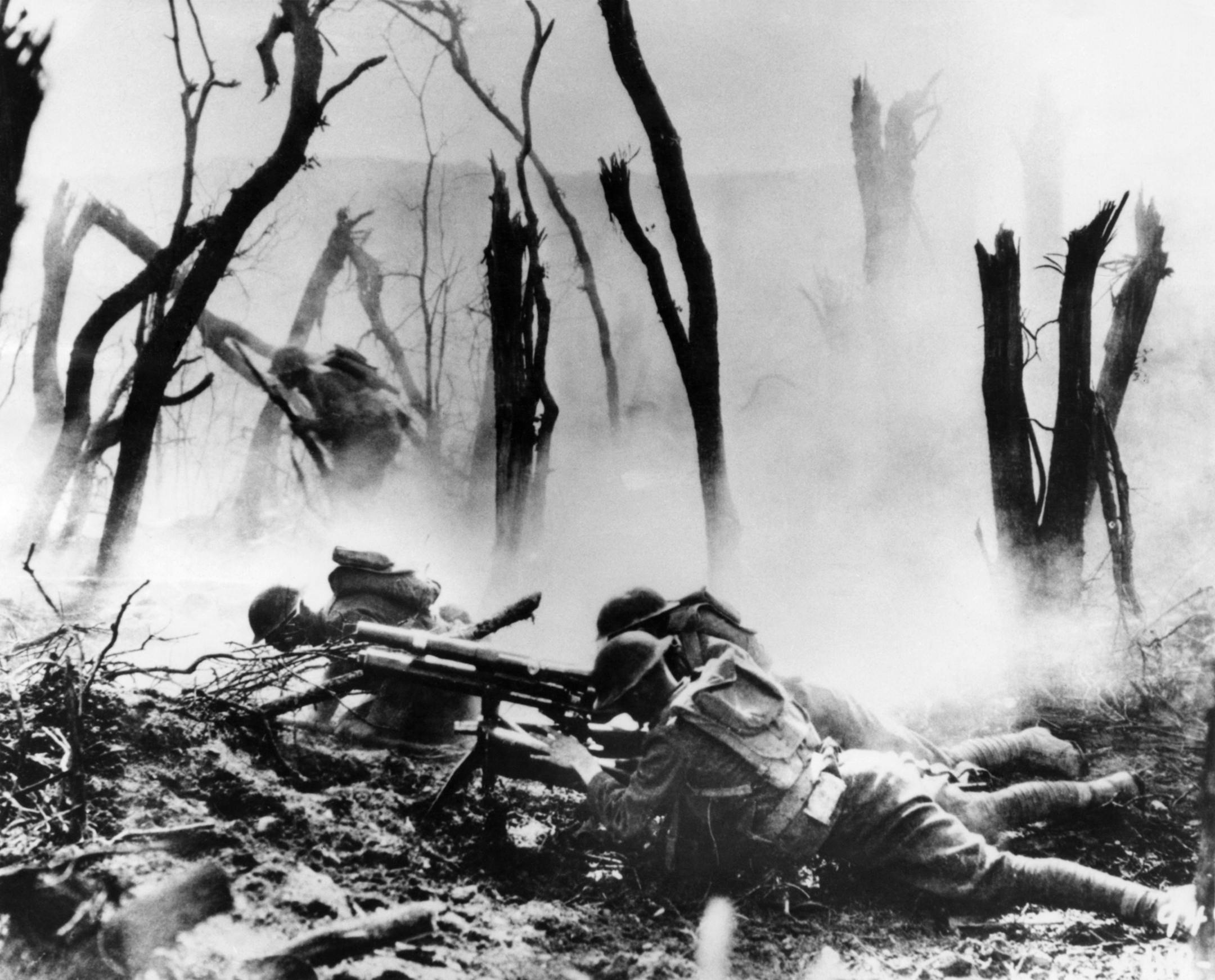
My family research has taken me to the history of the 322nd Field Artillery Battery from Ohio and my Uncle Thorne. Uncle Thorne shipped out to France in June 1918 with the 322nd after being drafted from Cleveland. In September the 322nd was attached to the 32nd Division. They fought in the Meuse-Argonne Offensive, the most lethal battle in U.S. history.
Did my Uncle Thorne bring the buckle to his parent's house? How did he obtain the buckle? The questions will remain unanswered since he died when I was 2.
American poet Alan Seeger wrote the famous poem about WWI: "I Have A Rendezvous With Death." In addition to the German deaths of over 2 million, the Russians suffered about 2 million soldiers lost, the British 800,000, the French 1.4 million and the U.S. 117,000.
Did all these more than 6 million men — and the numbers are approximate, with the true figure probably higher — have a rendezvous with death in four years of slaughter? (Seeger himself perished at the Battle of the Somme in 1916.)
I watched images of U.S. "Doughboys" going off to war in the PBS program "The Great War." I saw smiling faces of the young men as they marched down streets lined with waving civilians. The young men seemed innocent, unaware of the horror that awaited them "Over There" as the popular song of the day put it. I saw faces like my own must have been as a 20-year-old soldier.


