
World food prices fall for second month in July

Prices remain about one-third higher than they were a year ago, but they appear to be turning a corner.

Reuters
August 7, 2021 at 1:00PM
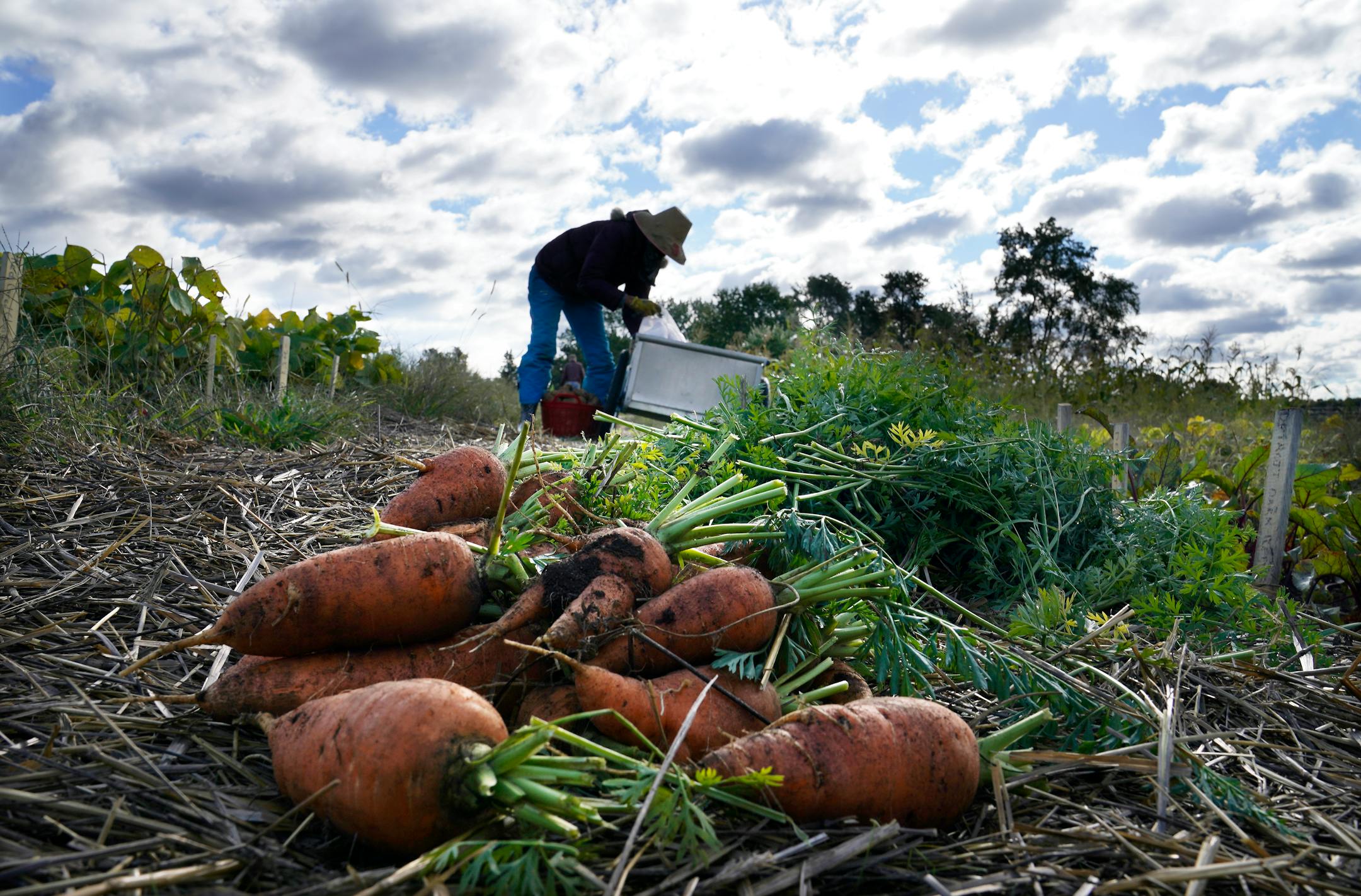
After surging during most of the pandemic, food prices around the world have started to decline. File photo of a vegetable farm in Elk River, Minn. (David Joles | Star Tribune/The Minnesota Star Tribune)

World food prices eased for a second month in a row in July, reflecting declines for cereals, vegetable oils and dairy products, but remained up nearly a third over the past year, the United Nations food agency said last week.

The Food and Agriculture Organization's (FAO) food price index, which tracks international prices of the most globally traded food commodities, averaged 123 points last month compared with 124.6 in June.

On a year-on-year basis, prices were up 31% in July.

The Rome-based FAO's index had declined in June for the first time in a year, marking a pause in a broad rally in agricultural commodities fueled by harvest setbacks and Chinese-fueled demand.

FAO's cereal price index fell 3% in July from the previous month, weighed down by a 6% drop in corn prices.

Corn prices were pressured by improved Argentine and U.S. production prospects and canceled import orders by China, which outweighed harvest concerns in Brazil, the FAO said.

International rice prices were also weaker in July, hitting a two-year low as new-crop supplies and currency movements added to a slow pace of sales, the agency said.

However, wheat prices rose 1.8% to their highest since mid-2014, boosted by worries over dry conditions in North America, heavy rain in Europe and lower-than-expected initial yields in Russia.

Vegetable oil prices declined 1.4% vs. June to a five-month low, as a rebound in palm oil quotations was offset by lower levels for other oils.

The dairy price index dropped 2.8%.

In contrast, FAO's sugar index increased by 1.7%, recording a fourth straight monthly rise with support from firmer crude oil prices and uncertainty over the impact of frost on yields in top exporter Brazil.

The meat index rose slightly overall. Poultry prices increased most sharply due to strong imports in East Asia while pork prices eased amid a decline in Chinese imports, the FAO said.

The agency did not update its world cereal supply and demand forecasts. Last month, it projected global cereal stocks in 2021-22 would rise for the first time since 2017-18.

about the writer

about the writer

Gus Trompiz

More from Business

See More
card image
Spencer Platt

The U.S. stock market roared back on Friday, as technology stocks recovered much of their losses from earlier in the week and bitcoin halted its plunge, at least for now.

Attendees of Frostbike made their way through the convention Saturday at the Quality Bike Products campus in Minneapolis. ] (AARON LAVINSKY/STAR TRIBUNE) aaron.lavinsky@startribune.com Frostbike 2016 was held at the Quality Bike Products Campus on Saturday, Feb. 27, 2016 in Bloomington, Minn.
card image
