In the 1970s and 1980s, Fashion Fair, the iconic makeup brand launched by the publisher of Ebony and Jet magazines, was about the only option for black women looking for cosmetics made to flatter their skin tones.
In April, Johnson Publishing went bankrupt, along with the Fashion Fair Cosmetics brand, which has struggled for years.
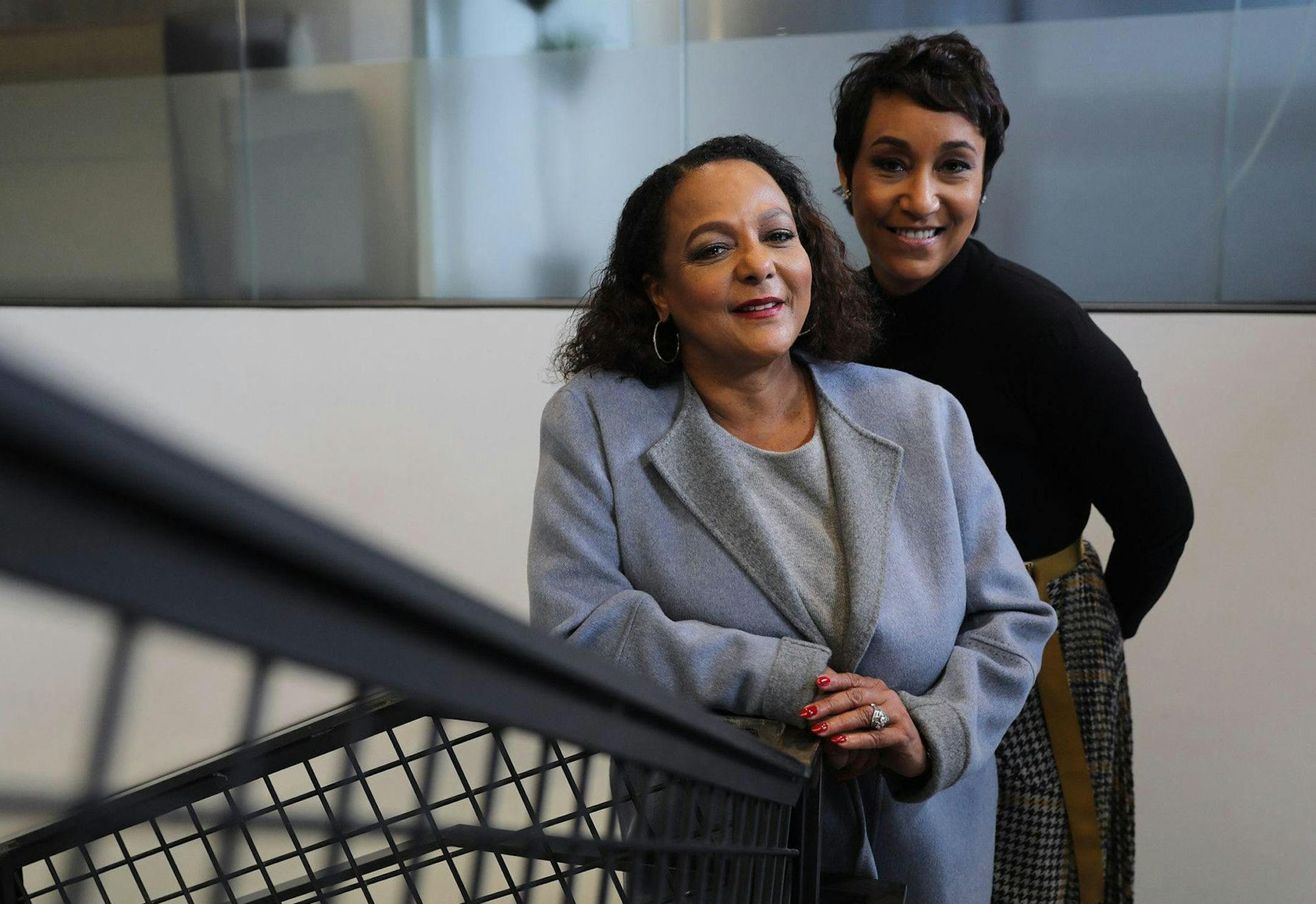
Last month, former Johnson executives Desiree Rogers and Cheryl Mayberry McKissack bought Fashion Fair for $1.85 million with the help of Alec Litowitz, founder and CEO of Illinois-based hedge fund Magnetar Capital.
They are promising to breathe new life into the brand but also are dealing with a much-changed industry than when the brand launched in 1973.
Growing up in Trinidad in the '80s, Patrice Grell Yursik, a well-known beauty blogger based in Chicago, remembers her mother popping the Fashion Fair pink compact into her purse before leaving for work. Sometimes, she organized her mom's collection of pink-lidded Fashion Fair lipsticks lined up on a mahogany dressing table. The lipsticks and powder matched her mother's skin perfectly.
Yursik, who has more than 247,000 followers on her Facebook page, regularly tries out beauty brands and shares her thoughts with her audience. She said she's excited to see what her 80-year-old mother's favorite makeup has in store for her.
"Fashion Fair will have a different road ahead of them," Yursik said. "They could benefit from celebrating what they used to do and partnering with influencers in a smart way."
Unlike in the 1980s, women of color now have an almost mind-numbing selection of makeup brands in drugstores, specialty stores such as Ulta and Sephora and on the internet to give their lips that perfect tint and their complexions a smooth, polished look. By next year, black consumers are expected to spend $2.25 billion annually on beauty products, according to research firm Mintel.