

SALT LAKE CITY – Never judge a pro sports' trade by first glance.
That's almost always good advice, and particularly pertinent with a 2013 draft-night deal between the Timberwolves and Utah that now isn't the lopsided transaction it seemed just a year ago.
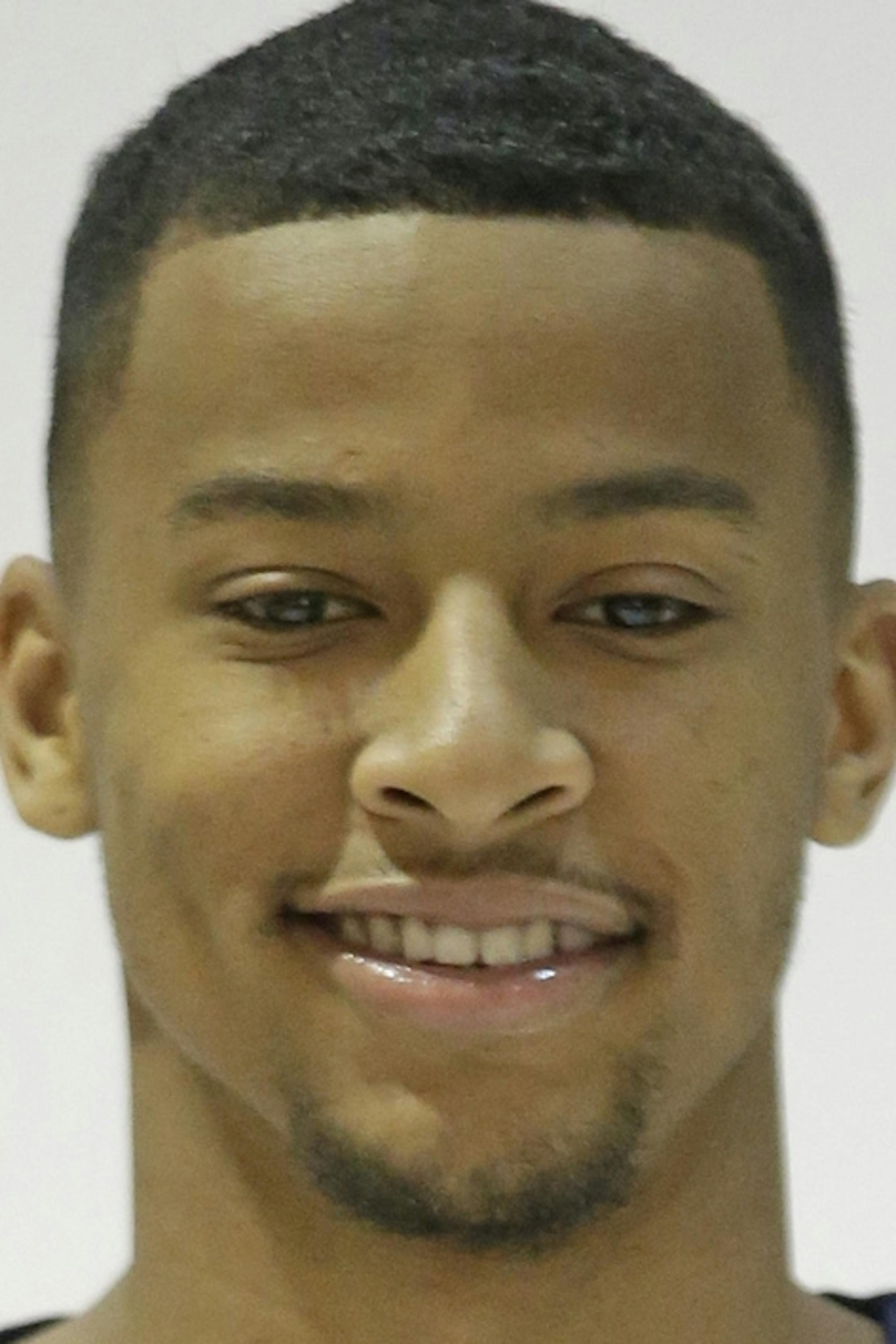
This time last season, Jazz point guard Trey Burke was finishing up a December in which he'd been named the NBA's Rookie of the Month, the first of three times he won the award. At the same time, rookies Gorgui Dieng and Shabazz Muhammad couldn't get off coach Rick Adelman's bench for a Wolves team that won 15 more games.
Flash forward a year and Burke remains a productive starter for a Jazz team that's improved mostly because Gordon Hayward is playing like a guy who might be worth that max-salary his team has guaranteed him and because Derrick Favors is playing much better.
Meanwhile, Dieng parlayed Nikola Pekovic's recurring ankle injuries into starter's work to end last season and begin this season, a job he'll probably hold here or elsewhere for the next decade.
Muhammad transformed his body last summer and his game this season with a 13.3- point scoring average that could get him into the NBA's Most Improved Player conversation.
"I like that trade," Wolves president of basketball operations/coach Flip Saunders said simply. "Burke's done a nice job. He'll take big shots. He's a scorer, and he's a pretty tough kid. We like our guys."
Saunders said he never considered keeping Burke — whom some NBA scouts considered a Top 5 talent and the Wolves drafted ninth — because they already had point guards Ricky Rubio, Luke Ridnour, J.J. Barea and Alexey Shved. When Detroit used the eighth pick to take Kentavious Caldwell-Pope, a player Saunders coveted, he swung the Jazz deal for the 14th and 21st draft picks.


