

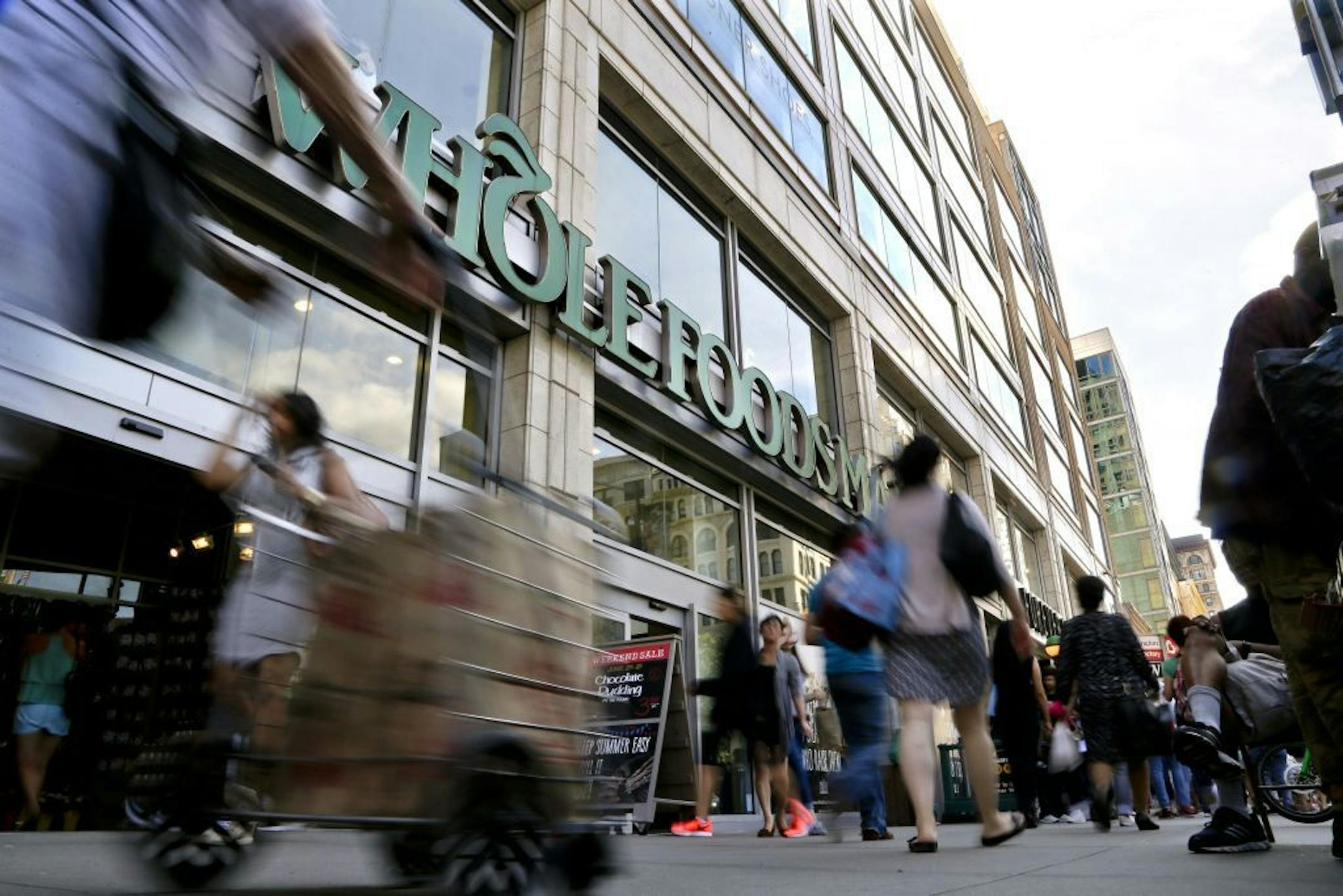
After Amazon.com announced last Friday that it would buy Whole Foods Market, no analyst seemed to think it was anything less than a game-changer for anyone else who sells groceries and household products.
"If it wasn't clear before," wrote analysts at Wolfe Research, "it is certainly clear now in our opinion that Amazon intends to take significant market share of the $1 trillion consumables market over the next three to five years."
That's the part of the reaction to the deal that's difficult to really understand. Weren't Amazon's intentions clear enough long before the Whole Foods deal got announced?
At the beginning of last week, executives at companies such as Target ought to have been paying awfully close attention to what Amazon was doing in the grocery business. And on Friday when they learned of the $13.7 billion Whole Foods deal, there should have been no surprise.
They could have been really unhappy about it. But not surprised.
As the execs at Minneapolis-based Target surely understand, Amazon has long been thinking about how to become a major player in the very big category of selling groceries, with that thinking going back maybe 15 years. That's back when most consumers still thought of Amazon as a website for buying books.
That it's recently gotten into operating physical stores should not be shocking, either. As the Taiwan-based strategy writer Ben Thompson pointed out in a terrific post this week, being a top internet retailer hasn't really defined Amazon's ambition for a very long time. Maybe it never has.
Amazon didn't remain exclusively an online bookstore very long, of course, quickly moving on to selling other products. Through the middle of the last decade, at the top of its annual report to the Securities and Exchange Commission, the company described its aspiration as building the top place where anyone can find and discover anything they might want to buy online.


