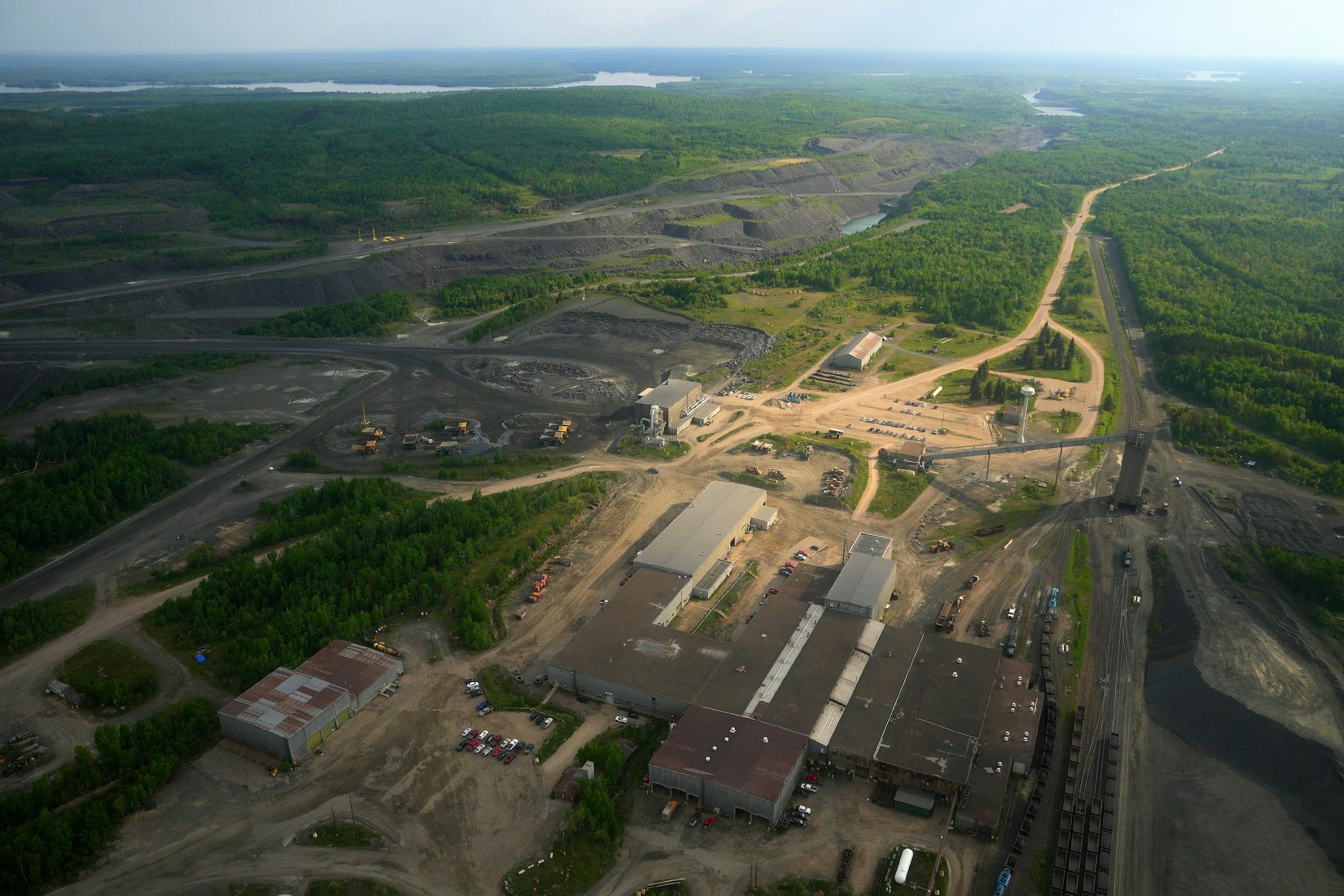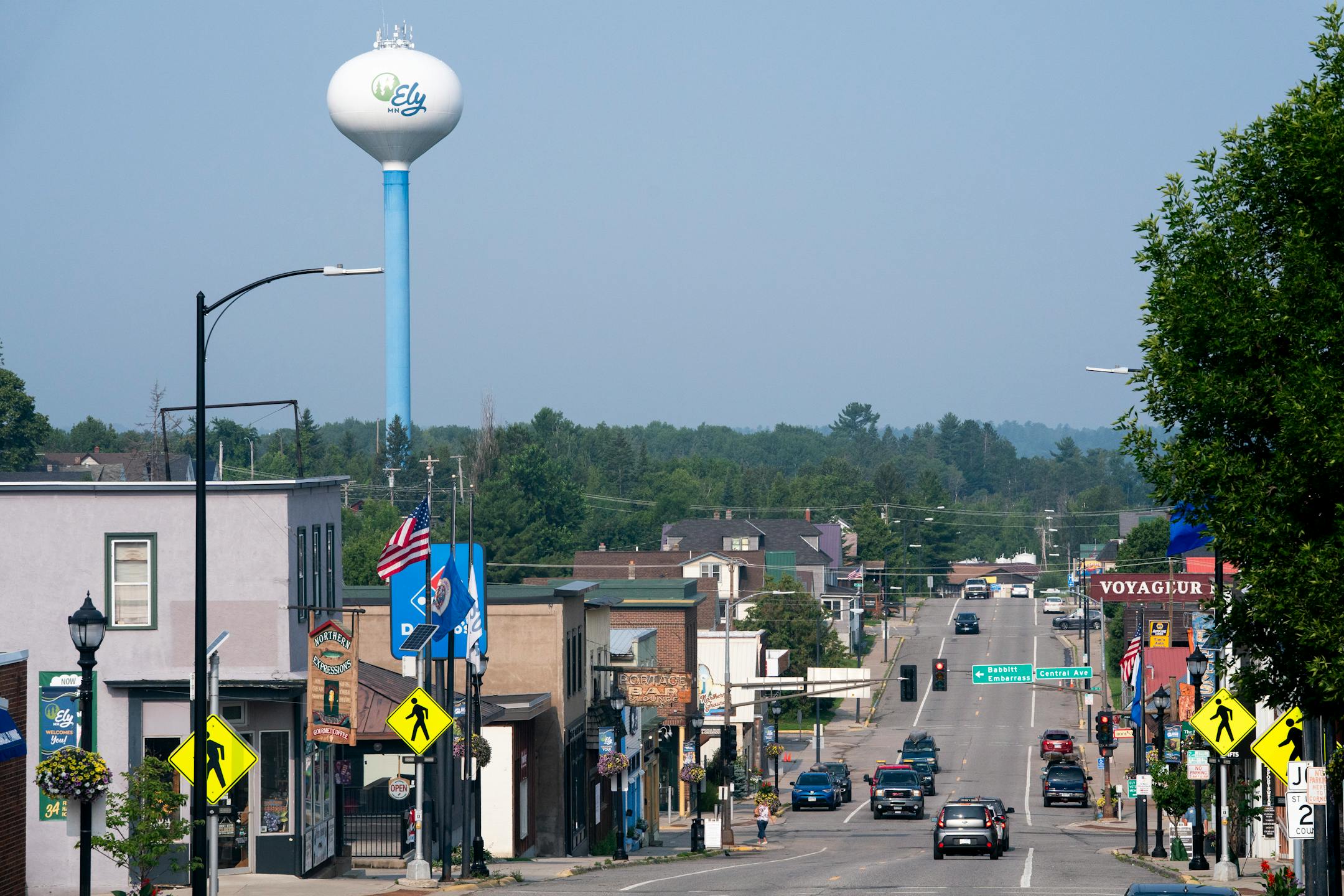
ELY, Minn. – In this Iron Range city on the edge of the Boundary Waters Canoe Area Wilderness, the local miners hang out at a bar directly across the main drag from the Friends of the Boundary Waters office headquarters. Downtown, flush with canoe outfitters, sits near Miners Lake.
Now a key U.S. Senate vote is looming on the future of mining, and this North Woods town stands to feel a direct impact. Locals on all sides of the decadeslong jobs vs. environment divide are left wondering how the future of their community — and their livelihoods — will fare.
The Senate is expected to vote this week on whether to overturn the Biden administration’s 20-year ban on mining near the Boundary Waters. If passed and signed by President Donald Trump, it could open the area for mining companies to apply for mineral leases.
Most immediately affected would be a proposed copper-nickel mine that some residents argue would bring a necessary economic boost. But environmentalists worry it would pollute the area’s pristine mass of lakes and forests, and affect the local tourism industry. Copper-nickel mining carries different risks than iron mining because the sulfide ores that contain copper and nickel can leach into toxic runoff when exposed to air and water.
Though most local residents have aligned with one side of the debate or the other, many acknowledge nuances in the arguments of both sides. And they also say they believe the fight won’t likely end anytime soon, regardless of the vote’s outcome.
“It’s political volleyball,” Bernie Barich said last week from a stool at Dee’s Bar & Lounge, a storied hangout where a handful of fellow miners lined the bar. “It just keeps flipping back and forth.”
To get to this point, the House passed a resolution by Minnesota’s Republican Rep. Pete Stauber to overturn the Biden moratorium in mid-January.
The ban was enacted in 2023 to protect 225,500 acres in the Superior National Forest from the potentially damaging impacts of mining. The decisive move followed the U.S. Forest Service’s environment assessment that said hardrock mining on public lands in northern Minnesota risked contaminating the Boundary Waters, even with measures in place to prevent it.