

Opinion editor's note: Star Tribune Opinion publishes a mix of national and local commentaries online and in print each day. To contribute, click here.
•••
Former President Donald Trump has been indicted on federal charges, catapulting the U.S. into new legal and constitutional territory. What this means for democracy and for the 2024 presidential race I'll leave for others to explore. Legally, the two key issues for Trump's future are, obviously, whether Trump is convicted and whether he wins the presidency. Less obviously, the timing matters a lot.
No doubt his lawyers will aim to delay the trial as long as possible. But it is almost certain that Trump will now be tried criminally in the midst of his presidential run. He will make bail, so he won't be in jail. And he can keep running regardless of the charges against him. In fact, he can keep running even if he is convicted and sitting in a jail cell — Eugene v. Debs did that in 1920.
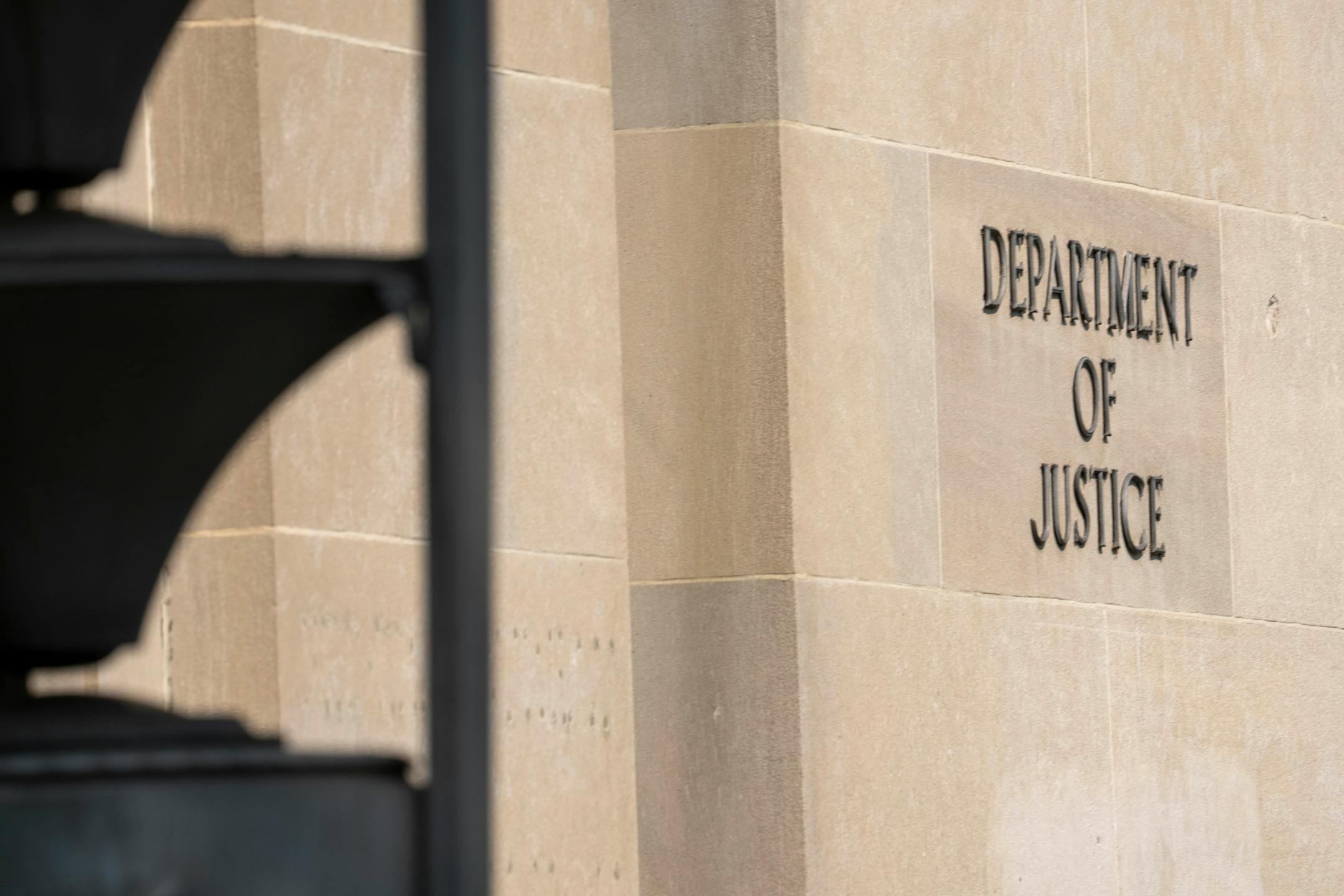
If Trump is elected and takes office before his trial reaches a verdict, he will be able to dismiss the federal charges against himself, because under the Constitution, the Department of Justice answers to the sitting president. (State charges, like those filed in New York and those expected to be filed in Georgia, would remain in place, because they aren't under federal authority and Trump can't dismiss them.)
If, however, Trump is convicted in federal court before he takes office — which isn't totally out of the question, timing-wise — then we would be in uncharted territory. Nothing in the Constitution says a convicted felon can't be president. Trump would certainly attempt to pardon himself. But according to many constitutional scholars (including me, writing years ago), he can't. The Supreme Court would then have to decide whether the self-pardon was effective. If the justices said yes, Trump would go free. If they said no, Trump would have to serve out his sentence.
If Trump were convicted but got minimal or zero prison time, his presidency could proceed as normal — or as normal as such a thing possibly could be. The judiciary is not going to want to block the choice of the American people to make a convicted Donald Trump their president, so you could imagine the courts going for a minimal sentence that wouldn't interfere with his ability to serve as president.
If Trump were imprisoned, we would face the unprecedented question of whether and how a president could do his job from within a federal penitentiary. One possibility, which admittedly sounds like the premise for a bad Hollywood comedy, is that a court would agree to put Trump under house arrest — in the White House. That wouldn't be very much punishment for most people. For Trump, it would mean he couldn't travel, which could arguably impede foreign-policy making, but not so much that he couldn't govern. (It would also presumably mean he couldn't play golf.)


