
With bear encounters declining in the BWCAW, officials extend food storage order

U.S. Forest Service said run-ins have dropped ‘sharply’ from an average of 58 per year.

The Minnesota Star Tribune
January 15, 2026 at 8:08PM
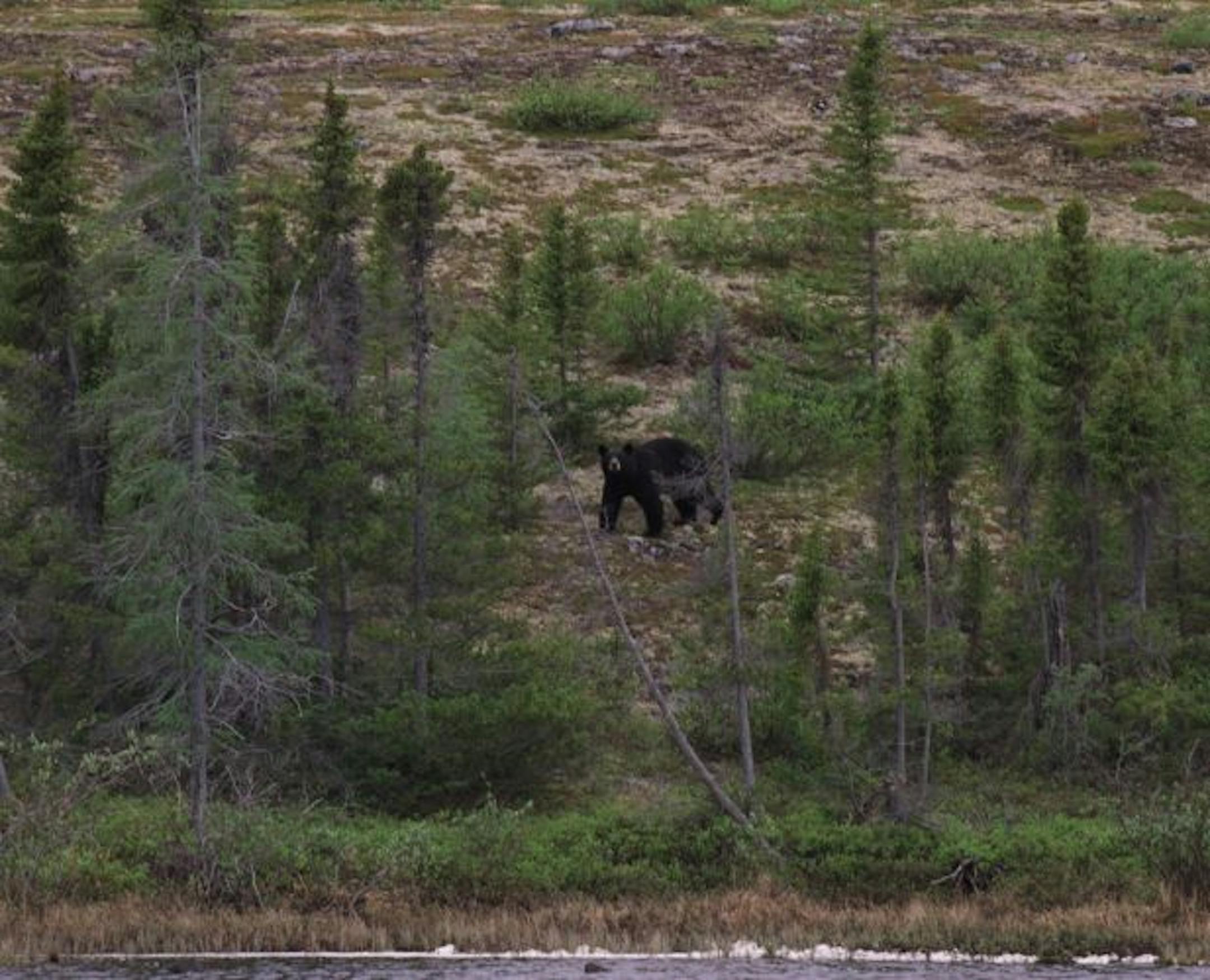
A black bear browses the shoreline looking for food across from the canoe party's camp site on the Wolverine River.
The U.S. Forest Service, which manages the Boundary Waters Canoe Area Wilderness, will extend its food storage order another five years to deter encounters with bears. (The Minnesota Star Tribune)

Managers of the Boundary Waters Canoe Area Wilderness say they will extend stricter food storage requirements for visitors, noting the rules have reduced encounters with black bears over the last two years.

The order was set to expire this spring, but now will be enforced for another five years, the U.S. Forest Service announced Thursday, Jan. 16.

Planning for another season of canoe camping, when hundreds of thousands of people visit the wilderness, is underway for many Minnesotans and out-of-state residents. Visitors can begin booking reservations Jan. 28 for the quota season, which runs May 1 through Sept. 30.

“Continuing the order is the most effective and responsible path forward for protecting both visitors and the wilderness’s black bear population,” said the agency in an official document released to explain the reasoning behind the decision.

In 2024, the Forest Service stiffened the rules for storing food and other “smellables” like garbage, soap and toothpaste, citing increased interactions between humans and bear sows and their cubs in search of food.

While many canoe campers already hang food packs from trees and out of reach of wildlife, the Forest Service’s order was more exacting: Visitors must hang food at least 12 feet above the ground and 6 feet out from a tree trunk or store it in a specially certified grizzly bear-proof container. Many of the common polyethylene blue barrels aren’t on the approved list.

The order was unprecedented. The agency, which oversees the Superior National Forest, has had temporary rules in limited areas in past years. The 2024 requirements were wilderness-wide for the first time. The agency said documented bear encounters were on the rise, with 58 cases per year, on average, between 2021 and 2023.

Visitors reported fewer than 10 brushes with bears after the 2024 season, Forest Service spokesperson Joy VanDrie said after the first year of the order.

Over the last two seasons, there has been a “sharp decrease in reported conflicts, justifying the continuation and robust enforcement of this mandate,” the Forest Service added in the Jan. 15 release.

Changing behavior

The agency has fielded questions from visitors, and others have expressed concerns on social media platforms about the dearth of campsites with suitable trees to comply with the rules. The Forest Service said its rangers consider campsite conditions when enforcing the order.

A public FAQ document from the agency stated that requests to set up food storage lockers aren’t realistic and would be “cost prohibitive.” There are almost 2,000 campsites across the million-acre BWCAW.

The agency also has emphasized educating the public about storing food, directing wilderness visitors to online instruction and best practices on its website and through how-to videos on YouTube.

Generally, visitors complied with the order, the agency said. Citations were low and focused on blatant or repeated violations. The fine is $50.

The order applies April 1 through Nov. 30, when bears are most active.

A few longtime wilderness outfitters agreed that the order has made an impact.

Ginny Nelson, of Spirit of the Wilderness in Ely, said she has been renting out more approved storage canisters and bags, like Ursacks.

“In the past few years, our guests have had less bear encounters,” Nelson told the Minnesota Star Tribune. “There is a good possibility that the food storage order is the reason. People have always been asked to keep a clean campsite and not feed the wildlife.”

Dave Seaton, of Hungry Jack Outfitters, said he is in “bear central” off the Gunflint Trail. Hungry Jack advises customers to never leave their food alone in any circumstance. He said the education campaign by outfitters and the agency, coupled with the order, is sinking in.

“People’s behavior has changed,” Seaton said.

about the writer

about the writer

Bob Timmons

Outdoors reporter

Bob Timmons covers news across Minnesota's outdoors, from natural resources to recreation to wildlife.

See Moreicon

More from Outdoors

See More
Rising above the treeline (Top of this photo), on the shore of Birch Lake, the Twin Metals Copper Nickel Mine Plant site and Tailings Management site is part of the proposed plan. ] In theory, the copper-nickel mine Twin Metals wants to build in the headwaters of the Boundary Waters Canoe Area Wilderness is a zero-discharge mine -- a closed loop that will endlessly recycle millions of gallons of water, including rainwater and the polluted process water it uses to extract ore and
card image