

Opinion editor's note: Star Tribune Opinion publishes a mix of national and local commentaries online and in print each day. To contribute, click here.
•••
The recent GOP attacks on the business community, including its leading advocacy group the U.S. Chamber of Commerce, arguably contributed to a poor showing in the 2022 midterms and is not the answer for success in the presidential and congressional elections in 2024.
The main policy targets for these attacks include business endorsements of Democratic candidates in the midterms, "wokeness" in corporate strategy and support for free trade and immigration reform. Fear-mongering on these topics has yielded positive results in rallying some of the GOP base, but most Americans take as much pride in our free-enterprise system as they do in democracy and our military, so overall trashing it is a losing message.
One key area for the GOP to flip the script is on meaningful immigration reform. Rep. Chip Roy, R-Texas, is attempting to introduce a bill that would empower the Homeland Security Secretary to unilaterally bar all undocumented migrants from entering the United States if he deems it necessary to reestablish "operational control." The so-called Border Safety and Security Act of 2023 is opposed by some Republicans who believe it would prevent legitimate asylum-seekers, including children whose lives are in danger, from entering the country. In addition to Republicans opposed to the bill, it would be dead upon arrival in the Democrat-controlled Senate.
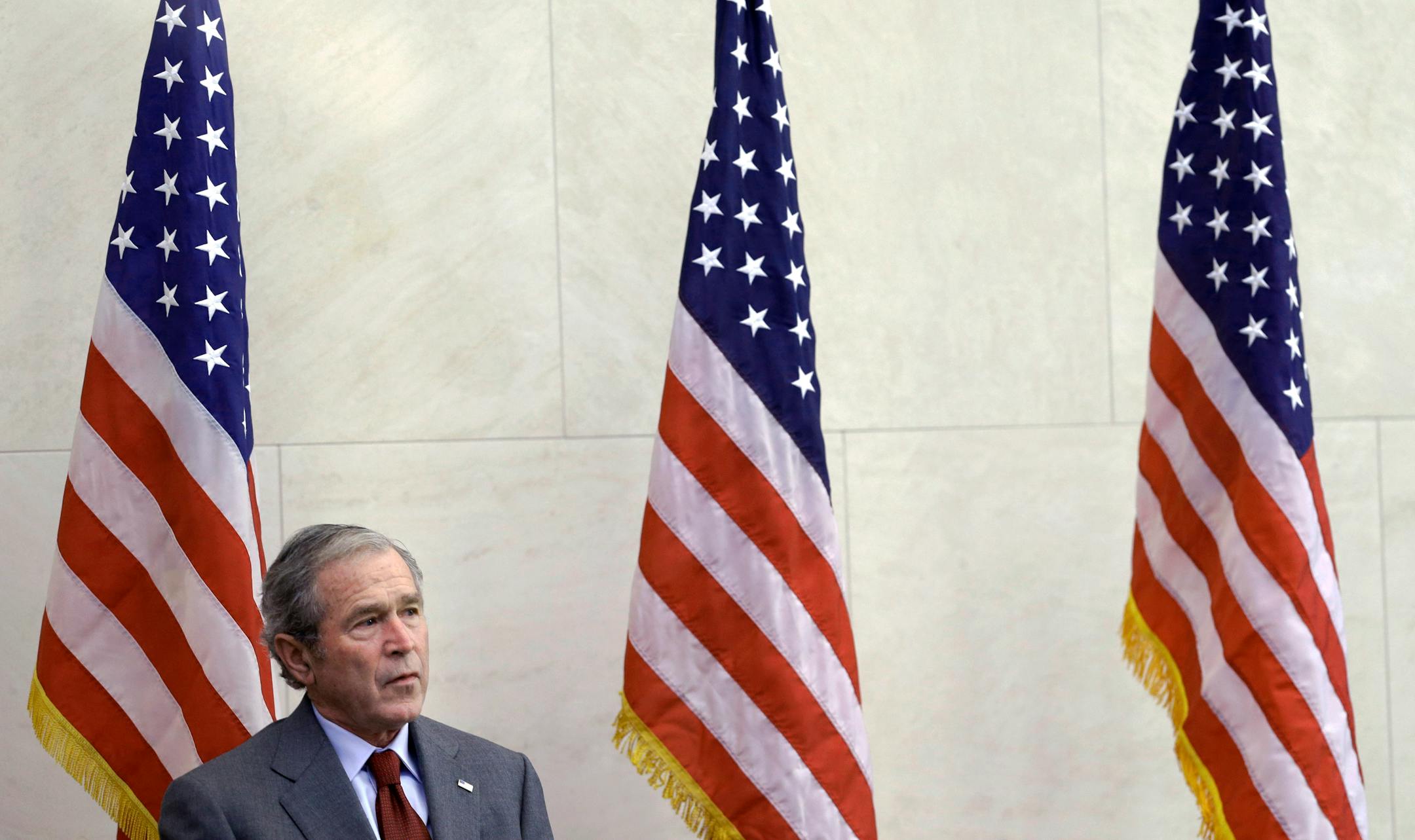
So why should the GOP embrace meaningful immigration reform that would garner bipartisan support and more votes? Perhaps, a bit of history may prove illustrative regarding the last Republican president to win re-election, President George W. Bush. Due in part to the controversy surrounding his election, Bush understood how important the support of the business community was for him to overcome doubts about his legitimacy. And, one of the first issues he wanted to tackle of key importance to American business — immigration reform.
In summer 2001, Bush was considering a proposal to grant permanent legal residence status to approximately 3 million Mexicans living illegally in the United States. To highlight the importance of this issue, Bush's first state visit was with Mexican President Vincente Fox, where immigration reform was on top of the agenda. On Sept. 7, 2001, Bush hosted Fox at the White House for his first formal state dinner. The dinner concluded with an unannounced fireworks display from the Ellipse that startled many D.C. residents, wondering ironically if the capital was under attack. And, four days later it was.
The attacks of Sept. 11, 2001, derailed Bush's plan for an immigration overhaul, as he led the country into war to avenge the death and destruction heaped upon our country. The wars in Iraq and Afghanistan created heightened security and border controls, but did not completely quash Bush's desire for immigration reform. After winning re-election in 2004 (the only Republican to do so since Reagan), Bush again supported a measure to grant 12 million illegal immigrants legal status and to allocate $4.4 billion for more border enforcement. In June 2007, the Senate failed to pass the bill, as Bush could not rally fellow Republicans who considered "amnesty" a reward for illegal immigration and unacceptable. The following year Democrat Barack Obama was elected president.


