

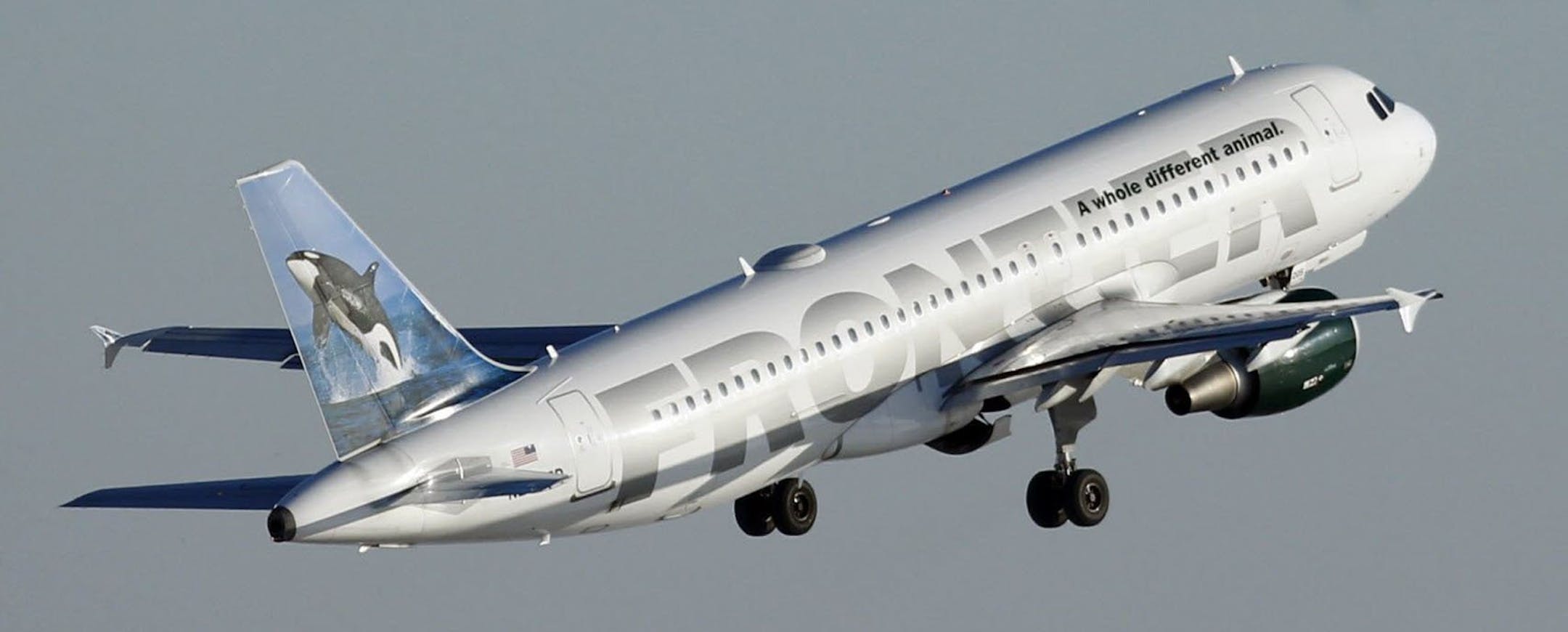
For a relatively small device whose name sounds like it belongs on a sports-bar food menu, winglets — those vertical tips at the end of aircraft wings — are having a fairly big impact in commercial aviation.
Aviation Partners Boeing, a joint venture formed in 1999 to make and sell winglets for Boeing aircraft, is predicting jet fuel savings of more than 5 billion gallons worldwide this year as a result of the devices.
Southwest Airlines says winglets will save it an estimated 54 million gallons of fuel annually.
The airline in January announced a deal to outfit its newest 737-800 aircraft with enhanced Aviation Partners Boeing winglets that are expected to deliver even more fuel savings.
Winglets were the subject of research and testing at NASA in the 1970s in response to that decade's oil crisis. The devices were shown to reduce the aerodynamic drag created during flight, making aircraft more efficient.
Winglets, which help reduce that drag, have been a part of general aviation — the part of air transportation that does not include scheduled airline service — for decades.
"General aviation was way ahead of commercial aviation on this," said Jeff Baum, president and CEO of Wisconsin Aviation in Watertown, Wis.
Baum said his company installed its first winglets on an aircraft in the late 1980s.



