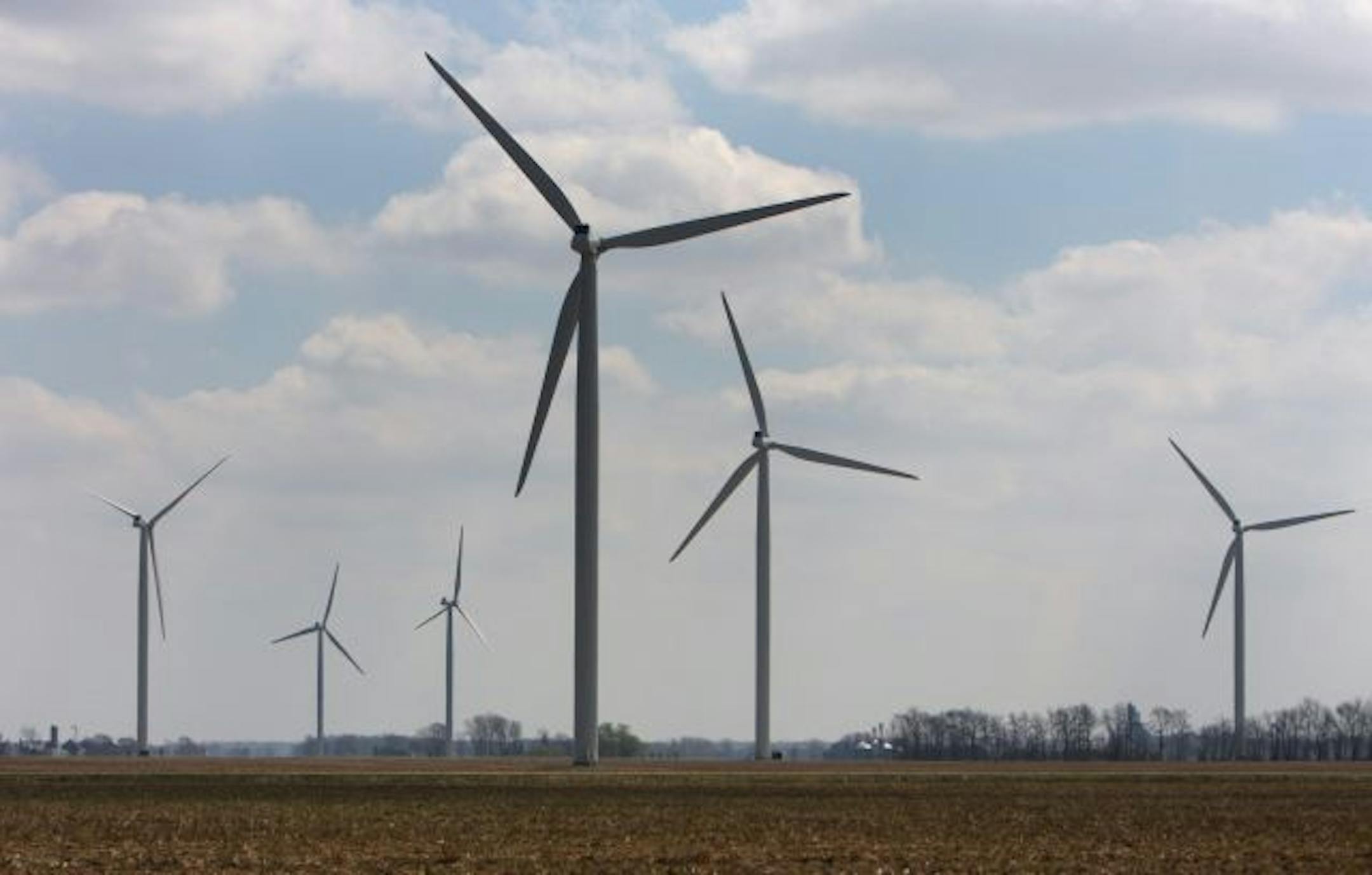
The wind industry, despite a 2010 slowdown after several years of rapid growth, is not dying. It's growing through a fitful adolescence.
Last week's news that India-based turbine manufacturer Suzlon will indefinitely shutter its Pipestone facility in the heart of southwestern Minnesota's wind alley came as a shock to many. But not to Peter Mastic, a 25-year veteran of the energy industry who is president of Minneapolis-based National Wind.
"This industry is not for the faint of heart," said Mastic, whose company has a dozen wind projects in planning and development. "Our partners and we typically will risk $3 million to $5 million in pre-construction costs over a two- to seven-year development period. And only then do you talk to utilities about power purchase agreements."
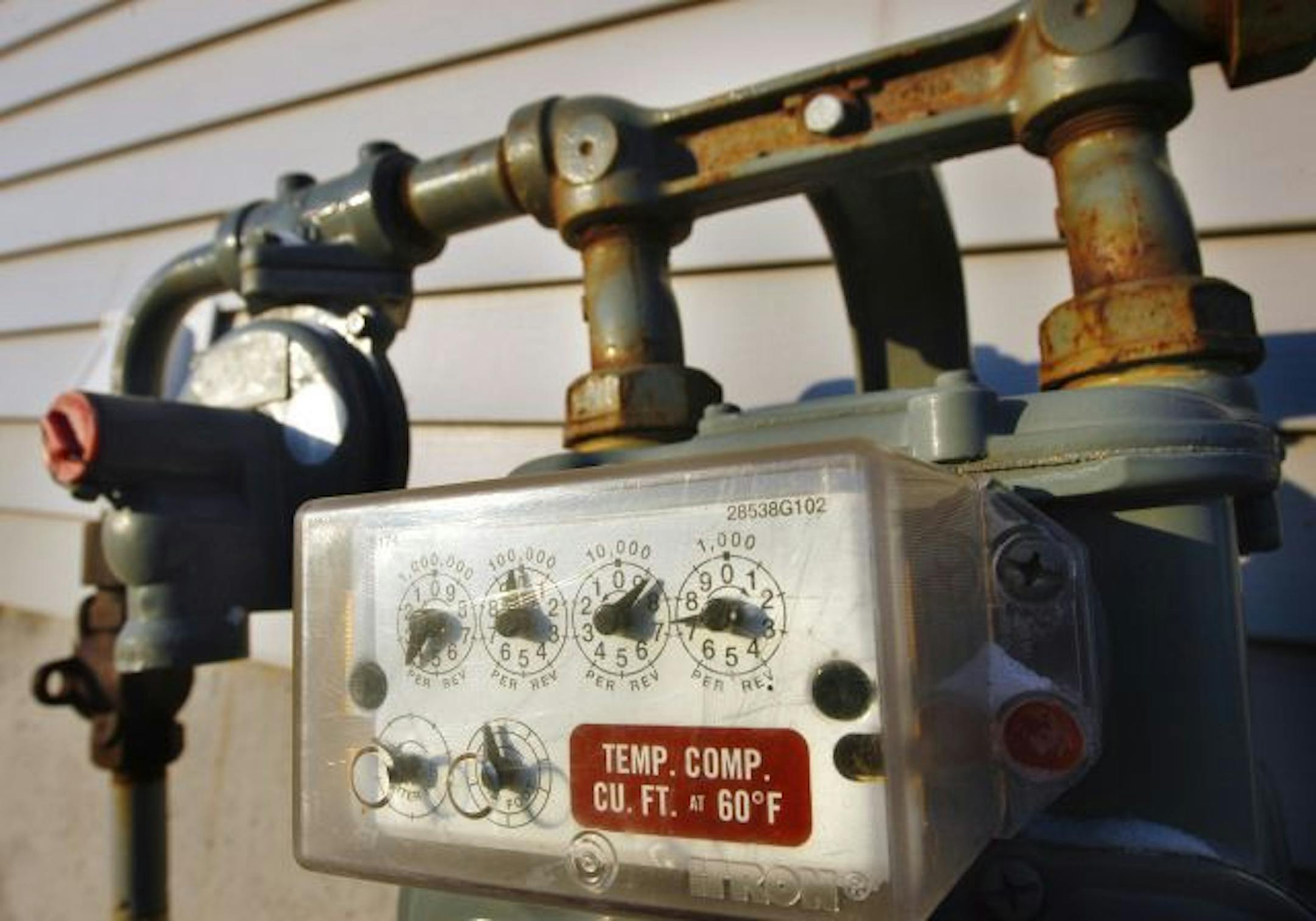
U.S. natural gas prices have dropped below $4 per thousand cubic feet at the wellhead compared with more than $11 in 2008. The New York Times on Monday reported abandonment of several wind projects in the East in favor of coal and natural gas generating stations.
But Minnesota-based utilities such as Xcel Energy and Great River Energy are counting on the wind industry, conservation and other alternative sources to help them meet state mandates in the Midwest to generate up to 25 percent of their energy from renewables.
This is a big deal in Minnesota, which already produces nearly 10 percent of its electricity from wind, compared with about 2 percent nationally. Minnesota is one of 28 states that has adopted a standard of generating 25 percent of electricity from renewable resources by 2025.
Xcel, a national leader, is on target to hit 30 percent from renewables in Minnesota by 2020. Xcel several years ago began a significant investment in a cleaner, more efficient future. It is the biggest buyer of wind-generated electricity in the country and should achieve its renewable and carbon-dioxide reduction goals well ahead of schedule.
'We're big believers'