
Wieffering: Mideast visitors have something to teach us

May 21, 2011 at 6:27PM
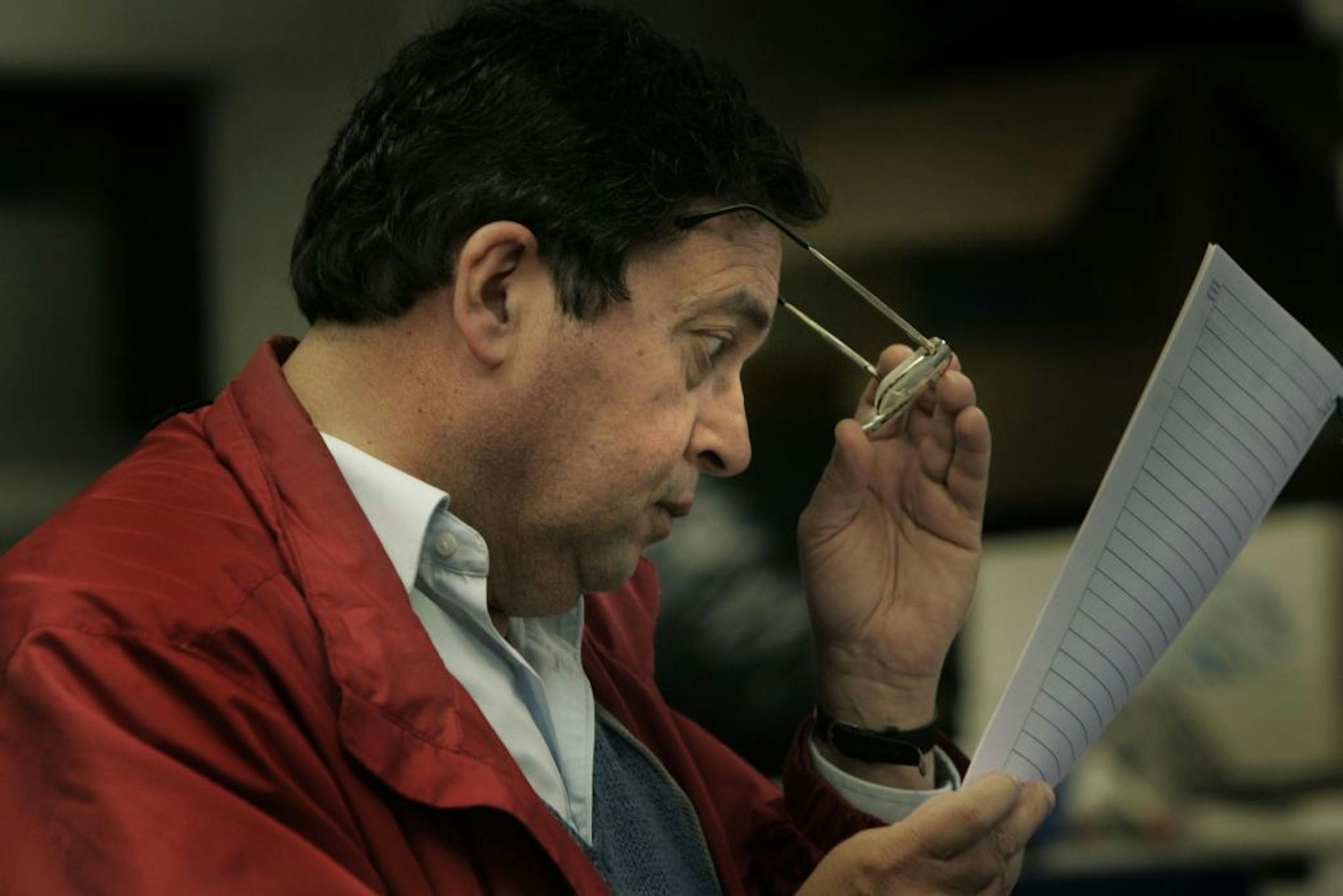
Arie Zmora
Arie Zmora (Star Tribune/The Minnesota Star Tribune)

Any prolonged discussion about corporate America these days is likely to drift quickly to its real and imagined shortcomings.

Sometimes, though, it takes a visitor to help remind us of virtues we ignore or take for granted, such as how essential economic vitality has been not only to this region, but to our very democracy.

That point was made clear to me again last week, after spending much of a day with 14 young professionals from Israel, the Palestinian Authority, Lebanon and Jordan.

For most of us in the United States, our knowledge of the Middle East experience begins and ends with three words: Jews, Muslims and war. The men and women I met are trying to write a different, more hopeful narrative, one that involves jobs, entrepreneurship and a regional economic prosperity that might help end decades of strife.

They've come to Minnesota to see firsthand how that works.

A front-row seat at 3M's annual meeting, where CEO George Buckley was pelted with questions from shareholders about political contributions, had them marveling about the level of accountability and disclosure required of American companies.

A tour of Wells Fargo's mortgage unit in Minneapolis and operations center in Shoreview left them talking about how easily employees of so many different races and religions worked alongside each other.

These are just some of the lessons Arie Zmora had in mind when he and his wife, Nurith Zmora, worked with Hamline University and the U.S. Department of State to create the Middle East Education to Employment Fellows Project.

The project is a cross-cultural entrepreneurial bootcamp for people who face bigger hurdles than most when it comes to bringing big dreams to reality.

Isam Herzallah analyzes potential investments in infrastructure, manufacturing and tourism projects in the Palestinian Authority. Majd Suleiman is an engineer with a management consulting firm in Jordan; she wants to develop a center to help train future scientists. Bachar Abdallah, a telecommunications engineer in Lebanon, wants to launch a car-sharing business that will help reduce congestion and air pollution while providing cars to people who can't otherwise afford to buy one. Yarden Kotler, an attorney in Israel, wants to start a job placement program for newly released prisoners.

The premise of the Education to Employment Fellows program is that conflicts and violence in the Mideast result, in part, from the lack of economic opportunity in the region, even for educated young people. In the Palestinian Authority, the unemployment rate is almost 22 percent, though in Hamas-controlled Gaza it is nearly 40 percent. In Jordan, an estimated 13.5 percent of the people are without work, but among university graduates it is estimated to be closer to 40 percent.

During their six weeks in the United States, the 14 fellows are learning about various models of entrepreneurship. They are working together to develop and refine business plans that they will take back to their respective countries, where they will start companies or create programs and institutions that will help nurture new business formation.

"Really, I think this is the hope of the Middle East," Arie Zmora said.

A six-week fellowship won't totally erase fears, suspicions and prejudices that have formed during decades of strife. But four weeks into the program, encounters that once seemed improbable have become routine.

Rachel Tapuchi, an Israeli jewelry designer, relaxes with Faten Akkawi, a public health worker in the Palestinian Authority. Maya Al Nabti, a university administrator in Lebanon, shares photos of their lawn bowling expedition with Eilon Kotler, an Israeli filmmaker. A state of war exists between the two countries, so Al Nabti laughs when Kotler jokes, "Back in Lebanon, you can say I'm your Italian friend."

Zmora credits Minnesota companies for being generous with their time and key staff people, many of whom have pledged to continue to provide feedback and suggestions to program fellows after they return home. In addition to 3M and Wells Fargo, the fellows are also scheduled to meet with top executives at Cargill and with HealthPartners CEO Mary Brainerd.

As we walked to lunch on Wednesday I asked Abdallah, the Lebanese engineer, what had impressed him most about his visit to 3M and other Minnesota companies.

"I look around and I think, 'This is what these people have been doing while we've been fighting: building and creating," he said.

Thanks for the reminder.

ericw@startribune.com • 612-673-1736

about the writer

about the writer

Eric Wieffering

Deputy Managing Editor | Enterprise and Investigations

Eric Wieffering, deputy managing editor for enterprise and investigations, works with reporters and editors across the newsroom on short- and longer-term enterprise stories.

See Moreicon

More from Business

See More
card image
Elizabeth Flores/The Minnesota Star Tribune

Insurance agents say seniors can hurry to find replacement Medigap policies, but call the short notice “shocking.”

card image
card image
