

Again and again this year, headlines have shouted heartbreaking news about loss of life and property: "5 children dead in north Minneapolis house fire," "Man dies after St. Paul house fire," "Couple found dead in smoky house fire."
With 20 house-fire deaths in the first 15 weeks of 2014, Minnesota is on pace toward what could be the worst year on record for fire deaths.
Over the past decade, 305 people have died in house fires in Minnesota.
So far this year, every deadly fire has come with word that the homes involved had working smoke alarms — either interconnected or stand-alone. Yet people continue to die.
But that can change.
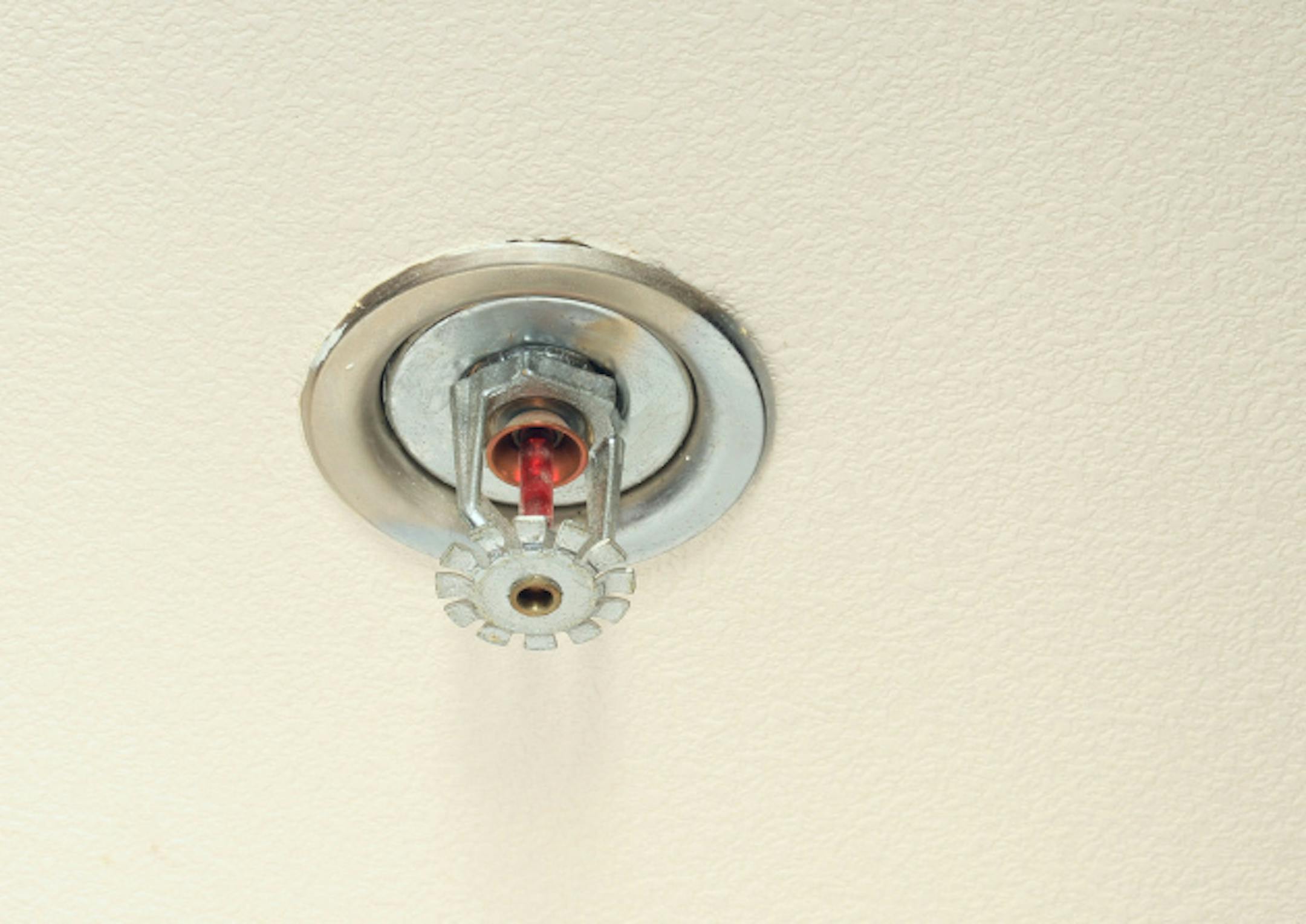
Minnesota's five leading fire organizations are standing together in an effort to keep residential fire sprinklers a part of the state's building code.
The issue is generating discussion in the Legislature this session, with builders claiming that sprinklers are too expensive, that today's homes are completely safe and that smoke alarms are sufficient to notify people in time to exit safely. As firefighters, we know that's simply not true. Many of these fires are killing and injuring people long before the fire department gets the call. A sprinkler system can buy time until the fire department gets there.
Still, the cost-vs.-benefit debate is an important one to have. Sprinkler supporters don't take regulation or mandates lightly. We value freedom and respect free markets. In this instance, though, the public safety benefit is clear and compelling, and the building industry is going to find itself on the wrong side of history.


