

Thousands of people are still out of work, many restaurants and retail stores are fighting for their lives and the service industry may never be the same.
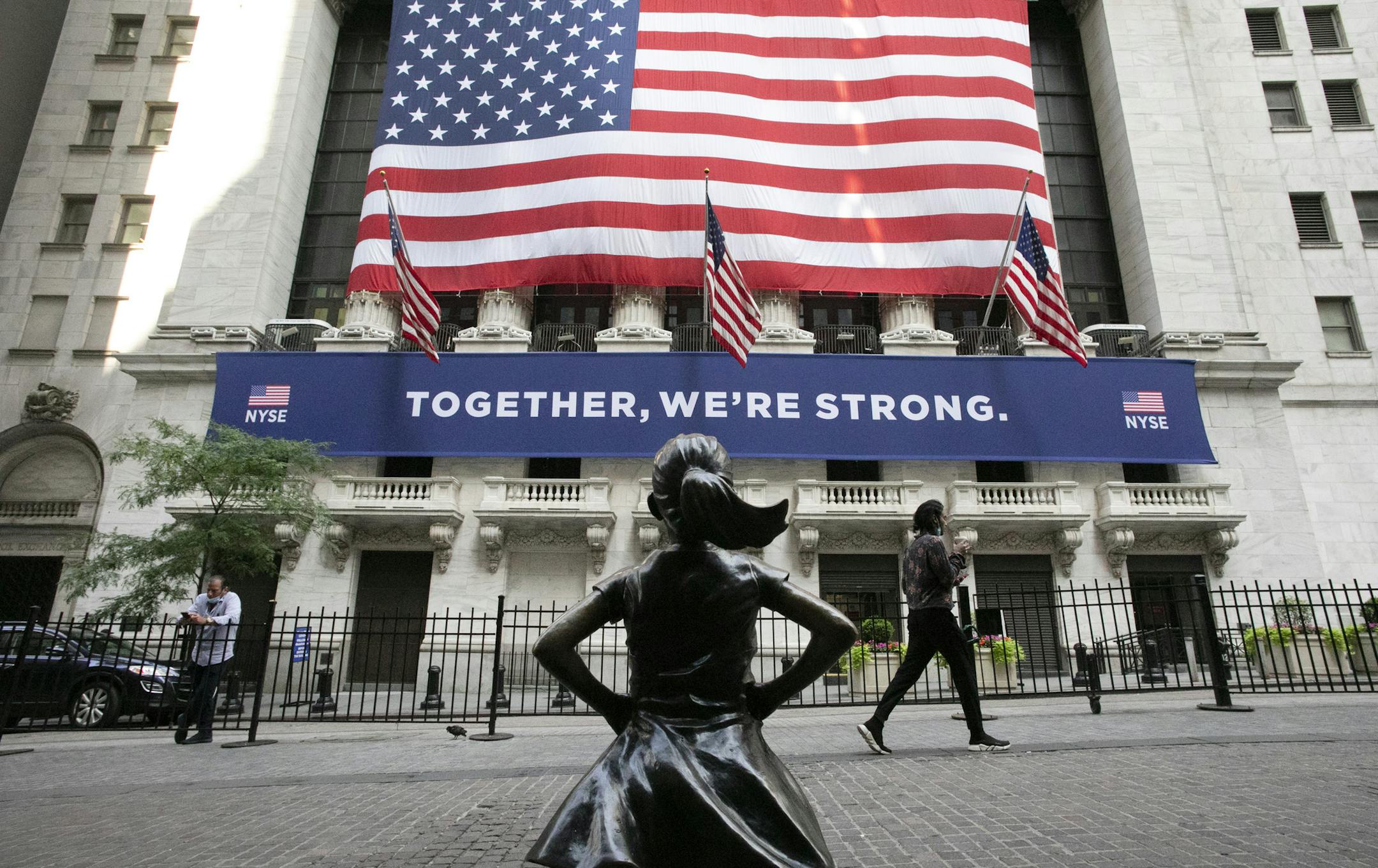
But the U.S. stock markets set records to finish 2020, despite volatility produced by the coronavirus pandemic. The S&P 500 Index is up about 70% from its March lows.
The market performance could be a sign that the economy will improve over the next six months. It also could just be a result of economic sectors being unequally represented, Minnesota financial experts said.
In addition, not all Americans share in the wealth of the stock market. A pre-pandemic survey by Pew Research Center found 55% of working Americans had retirement accounts grounded in the stock market or other investment vehicles; only 35% had personal investments.
Mansco Perry, the executive director and chief investment officer of the Minnesota State Board of Investment, sees a story in the disconnect between the overall economy and the markets.
The markets have benefited from the stimulus provided by Congress and the Federal Reserve. Interest rates remain low, and during the mandated economic shutdowns this spring, public companies moved quickly to cut discretionary expenses and preserve their liquidity.
Plus, success isn't spread evenly across the S&P 500. If you look at some of its sectors there are some still suffering.
"Energy is still awful, airlines are awful, real estate is awful, hotels awful. I mean, they're all still down by double digits," Perry said in early December during the Star Tribune's annual Investors Roundtable.


