

Back in 2004, commentators, possibly including me, were speculating about the possibility of a "permanent majority" for Republicans along the lines of the Democratic dominance of national elections following the Great Depression. Two years later, a wave election delivered the House of Representatives to the Democrats. By 2009, Barack Obama was president, with majorities in the House and the Senate.
By 2014, I was hearing a lot of claims that the Republican Party was on its way out: "a regional rump party, confined to the South" was the popular line for a couple of years. Sure, they might win some midterm elections here and there, but they were demographically doomed at the presidential level. This became such conventional wisdom that when I confessed I thought Republicans were likely to retake the White House in 2016, people stared as though I had said my columns were dictated to me by the ghost of Walter Winchell.
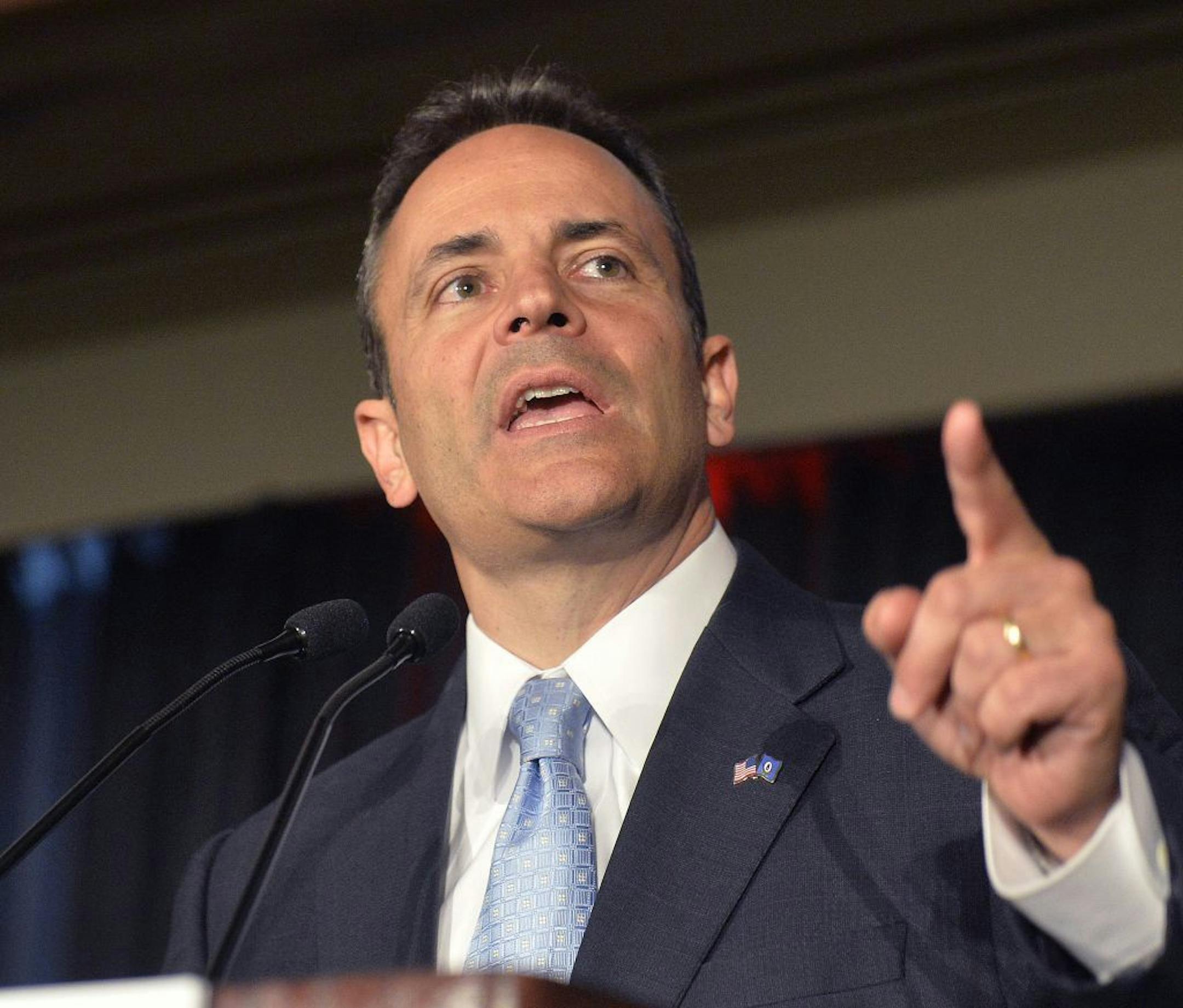
The midterm elections of 2014 did not necessarily shake this conventional wisdom. But two recent pieces of news ought to. Tea Party favorite Matt Bevin just won an upset election in the Kentucky governor's race. Not only did he take back a seat that Democrats have controlled for 40 of the last 44 years, but also, he won by a smashing margin, 53 percent to 44 percent. This after polls had shown his Democratic opponent, state attorney general Jack Conway, in a narrow lead and the New York Times was speculating that Bevin might "eke out" a victory by driving conservative Christians to turn out.
Meanwhile, the latest Quinnipiac poll shows Clinton losing to every major Republican primary contender except Trump. Even if you believe the more favorable polls, a Democratic strategist probably does not want to see them so close — not when Clinton is a widely known name with the nomination practically sewed up, while most Americans probably know Rubio as "Marco Who?"
Whatever your opinion on the merits of Barack Obama as a president, his tenure has been rough for his party. As Republican strategist Rory Cooper tweeted last night, "Under President Obama, Democrats have lost 900+ state legislature seats, 12 governors, 69 House seats, 13 Senate seats." And while this may be coincidence, unrelated to anything Obama has done, I suspect that these two things may be connected — that parties are most vulnerable at precisely the moment when they feel themselves strongest.
The passage of Obamacare despite the fact that it was unpopular, despite the fact that no one in the opposition party wanted to touch it, despite the fact that the voters of Massachusetts sent a Republican to the Senate to vote against it, was hubris. Did Democrats just accept that their goal of national health care was worth alienating voters and losing control of lower offices? I don't think it was a conscious decision, but they did sacrifice a lot of down-ticket Democrats in the House and Senate, who, it turns out, were actually pretty necessary to get anything further done.
Many of the law's subsequent struggles have stemmed from the apparent belief that they didn't need down-ticket races, or public opinion; all they needed was Barack Obama sitting in the Oval Office.
Kentucky illustrates the dangers of this strategy. Most policy happens at the state and local level, not federal, something that's easy to forget as local media outlets fail and news coverage becomes increasingly focused on national elections. Under outgoing Democratic governor Steve Beshear, Kentucky was a poster child for the success of Obamacare; under incoming Gov. Matt Bevin, it may well become a poster child for its failure.


