

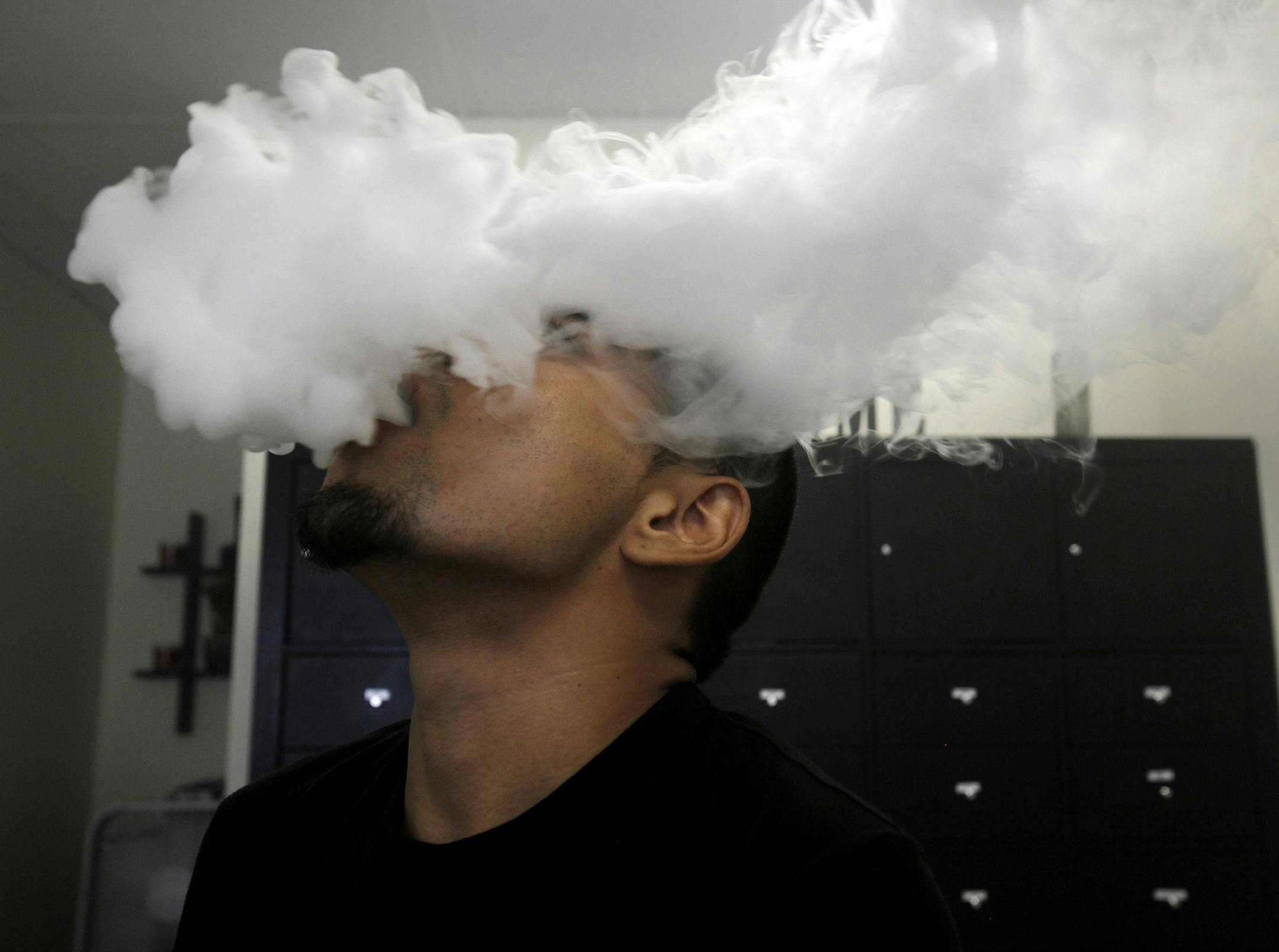
Amid growing reports linking serious lung illnesses to vaping, California health officials issued a pointed warning Tuesday: Stop vaping immediately. Almost two weeks earlier, the Trump administration announced plans to remove all flavored electronic cigarettes — favored by youth — from the market.
At least 530 cases of vaping-associated respiratory illnesses have been reported. Nine of these cases have been fatal, two of them in California.
This dramatic response to the problem of youth vaping stands in stark contrast to the way lawmakers and agencies have handled other similar — and as of now — more deadly health issues.
One-third of high school seniors consume alcohol and half of them are drinking flavored alcoholic beverages. Alcohol is responsible for more than 4,300 deaths among underage youth each year; yet federal policymakers have not banned the sale of all flavored alcoholic beverages.
More than 3,600 people die every day from smoking-related diseases. Close to half of these smokers used menthol-flavored cigarettes. But neither President Donald Trump nor any lawmakers have called for a ban on flavored traditional cigarettes. In fact, e-cigarette bans — like those recently enacted in Michigan, New York and Massachusetts — would leave traditional cigarettes, including menthol brands, on the shelves.
Gun violence results in 100 deaths a day, but so far the U.S. Senate has not appeared to be willing to vote on simple measures that could reduce death rates.
So what might explain such different governmental responses to public health problems? And why the disproportionate reaction to vaping, which causes less disease and death than drinking, smoking and gun violence?
The history of public health sheds some insight. In 1850, Lemuel Shattuck and John H. Griscom, founders of the American public health movement, warned about the need for government to prevent outbreaks of infectious disease. However, it took 16 years for the first permanent local department of health to be established in New York City. Why? Disease had once been viewed as a personal problem that affected the poor and morally flawed; however, the spread of infections to the upper classes changed the government's attitude and led to the implementation of public health reforms.


