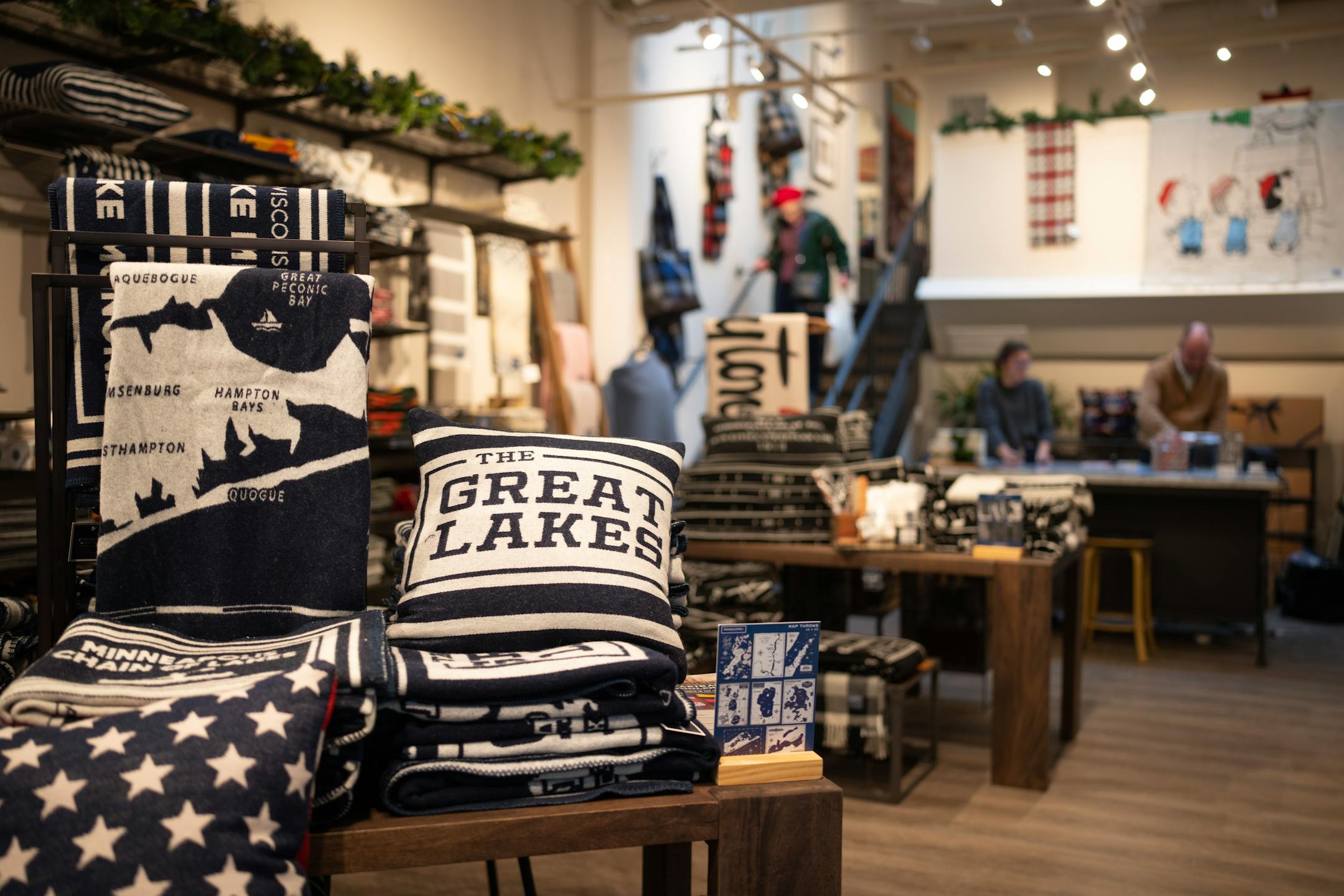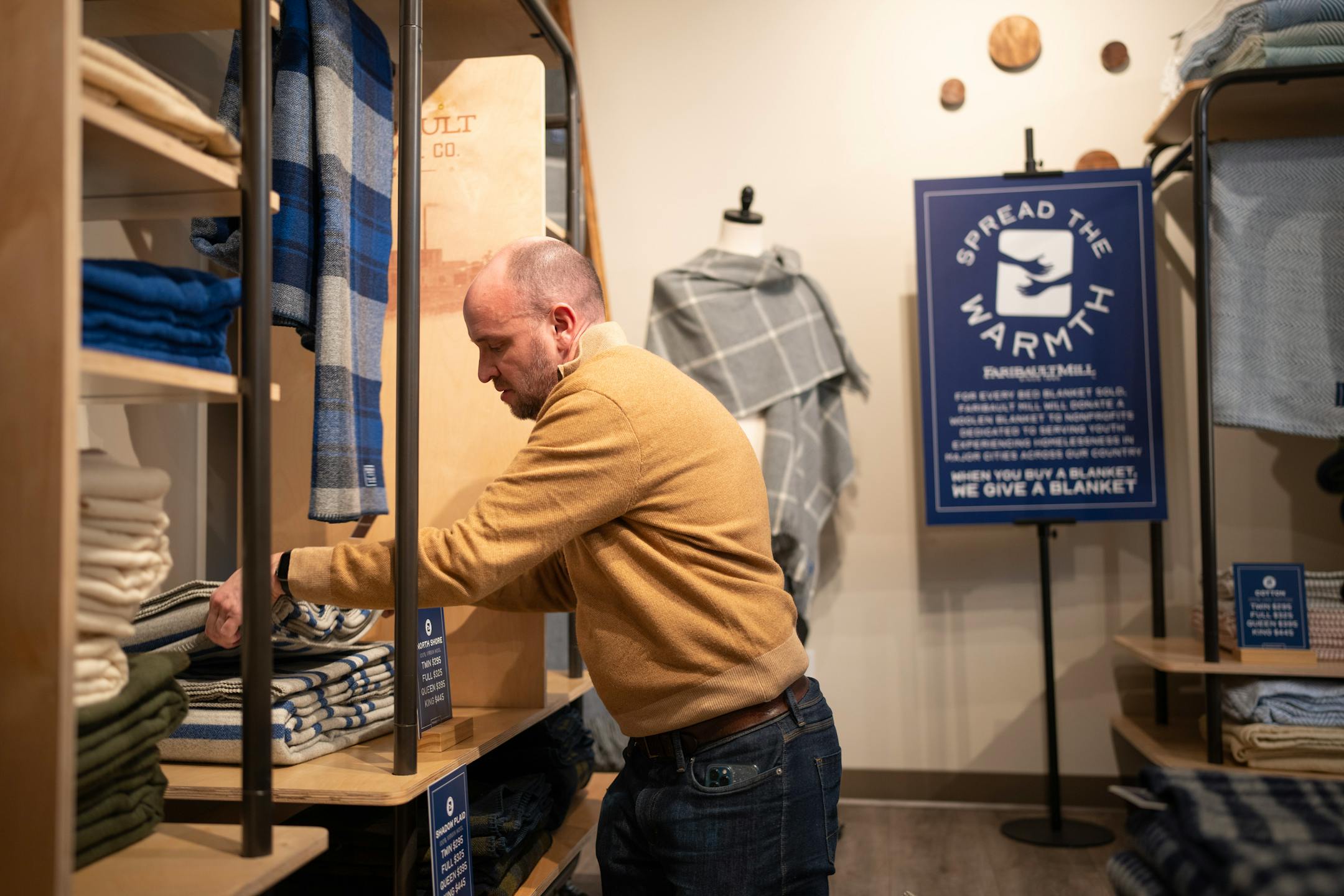
Last week's snowstorm and arctic temperatures made it hard for Faribault Mill to keep its stores open, but it got a break on Christmas Eve — and its flagship store in Faribault was packed until closing.
That rush helped lift the 157-year-old maker of blankets and scarves to the biggest sale month in its modern history, Ross Widmoyer, its chief executive, said this week.
"Our stores were jammed," Widmoyer said. The severe weather "certainly seemed to impact in a positive way our business," he added.
Retailers and apparel makers around Minnesota also said the sub-zero temperatures helped push sales of winter clothing to new holiday heights.
"When that cold hit, it's like a switch is hit," said David Miller, chief executive of Minneapolis-based Minnetonka Moccasin Co.
Weather greatly affects shopping behavior and retailers' ability to move products, said Evan Gold, executive vice president for weather analytics firm Planalytics, on a National Retail Federation podcast last week. An area's geography and people's tolerance for bad weather can play a big part in how they shop and what they buy, he said.
"You get an inch of snow in parts of the south like Atlanta, it can shut the city down," he said. "Versus an inch of snow in a place like Minneapolis, which can actually put customers in a winter mindset and then they are out doing that holiday shopping. They're going to be buying more gifts like boots or sweaters or jackets and gloves."
Even before the storm and cold snap descended on much of the nation last week, retailers were already beginning to see signs for strong demand for winter gear this holiday season.