

Opinion editor's note: Star Tribune Opinion publishes a mix of national and local commentaries online and in print each day. To contribute, click here.
•••
On Halloween night, in south Uptown, the highlight of my 2-year-old grandson's evening was a Minneapolis policewoman, who learned that this pint-sized bumblebee was fascinated by first responder vehicles. She had a surprise for him.
The officer walked to the back of her cruiser and pulled out a police-car keychain and handed it to him.
Charming parents and their children is a good example of community policing. When my grandson returned home and dumped his Halloween haul on the table, the cop keychain was the lone item amid the sweets that he couldn't wait to show me.
When I looked closer, I noticed painted on the hood of the rubber car: "Minneapolis Police Recruitment 1-866-553-COPS."
Minneapolis, like many big-city police departments, has been hemorrhaging cops. Last month, Minneapolis police were among those from around the nation at a standing-room-only conference in Washington, D.C., on the workforce crisis in policing. Conference host Chuck Wexler, executive director of the Police Executive Research Forum (PERF), says "the single most daunting challenge that policing has faced in decades is finding the next generation of cops."
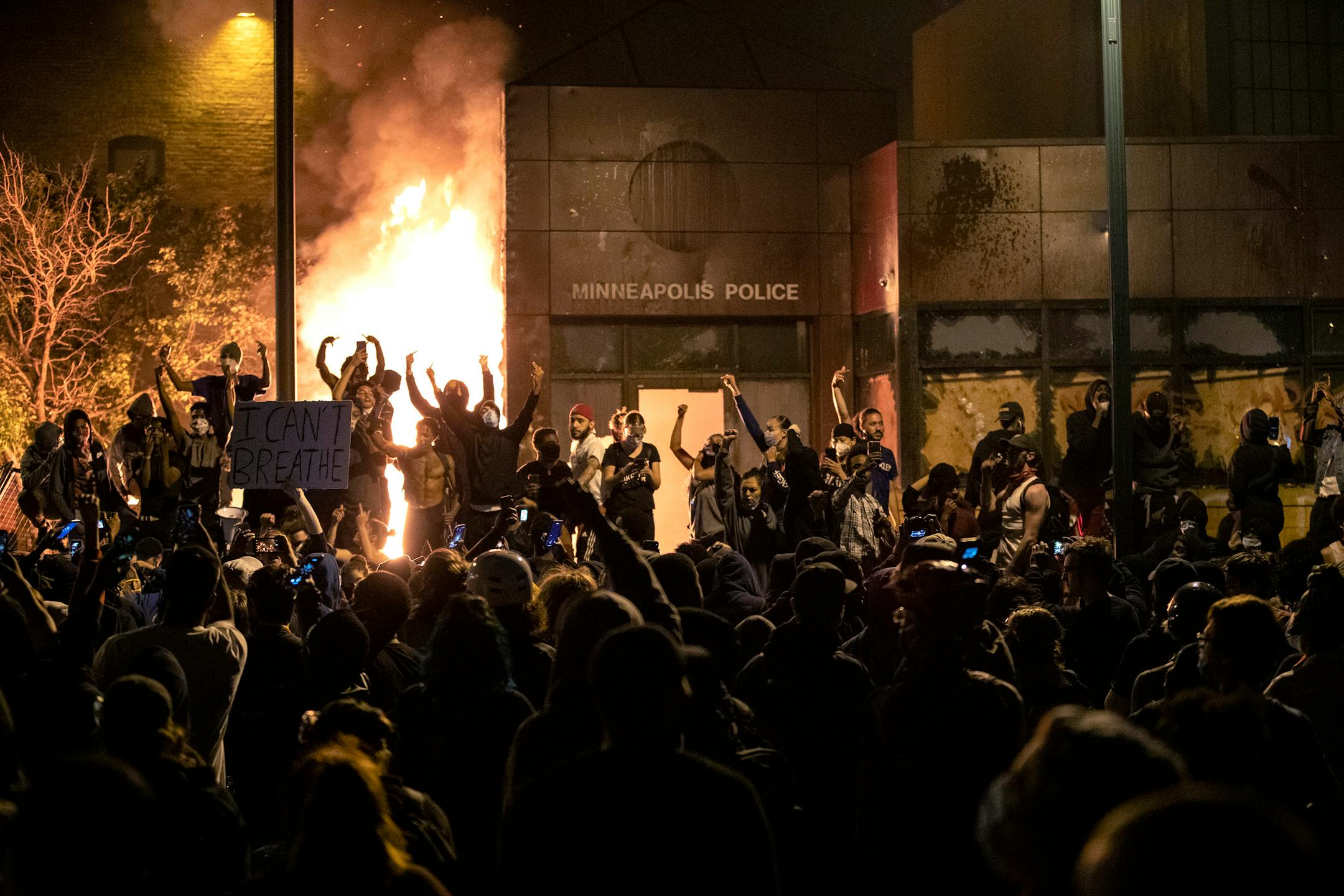
Having arrived in Minneapolis early in June 2020, in time to see the birth of our mixed-race grandson — two weeks to the day after the George Floyd murder (and 12 blocks from where it occurred) — my wife and I witnessed a city torn by racial tensions, scarred by violent protests, with boarded-up storefronts and calls by some to defund the police.


